1:36 AM Building a Reef Community: Supporting Local Hobbyists | |
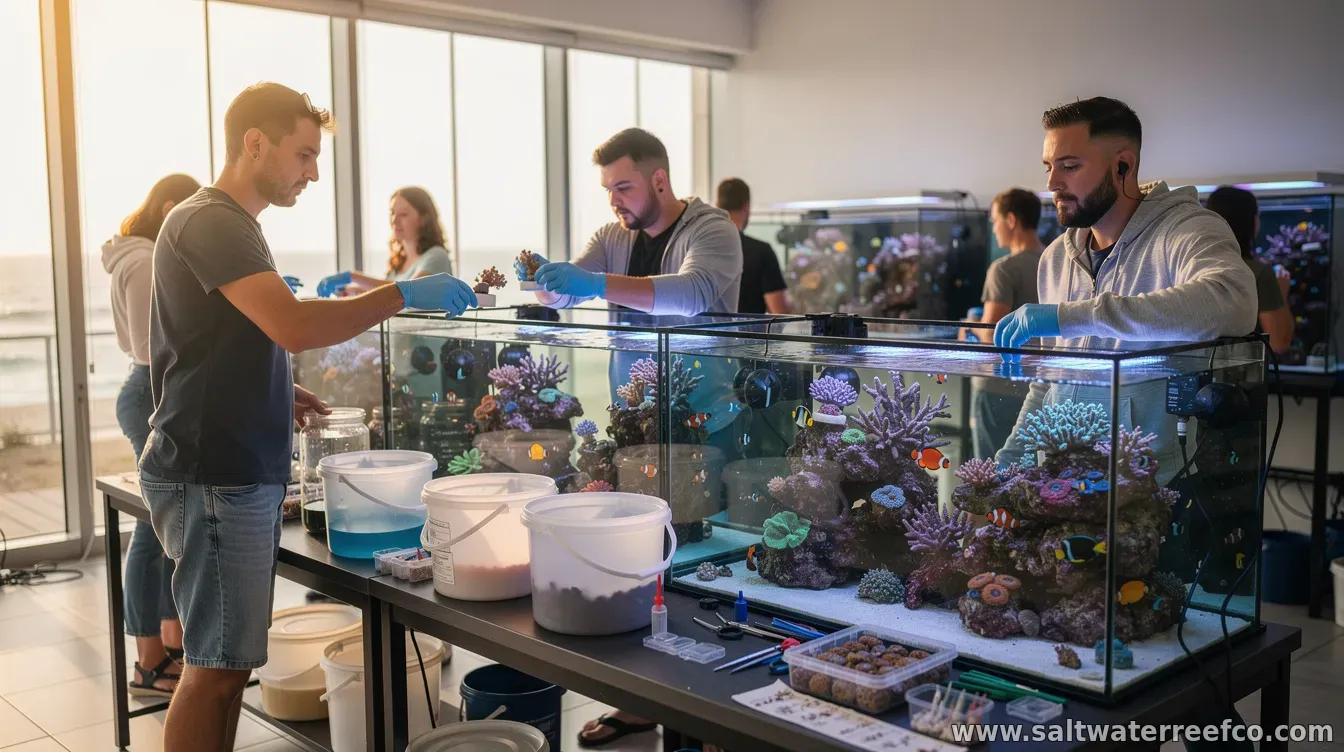
Reef aquariums are no longer just personal hobbies in many coastal towns—they’re becoming shared community projects. From beginner-friendly swap meets to mentorship networks, local hobbyists are building structured ways to help one another keep corals thriving while promoting more sustainable reef practices. Organizers behind these efforts say the biggest barrier new reef keepers face isn’t enthusiasm, but access: reliable guidance, ethically sourced livestock, and equipment at manageable prices. By pooling resources and expertise, community groups are turning trial-and-error into a collective learning experience. A culture of mentorship and shared expertiseVolunteer “reef coaches” and experienced aquarists often host small sessions on core husbandry topics such as water quality testing, stable salinity, acclimation, and lighting schedules. Rather than treating advice as a one-time workshop, many communities pair newcomers with mentors for check-ins during the first months—when tanks are most likely to struggle. Common practices include running community databases of test results, sharing checklists for coral transitions, and encouraging members to document growth and setbacks. That transparency helps reduce repeat mistakes, especially for beginners managing nutrient balance and identifying early warning signs like algae blooms or tissue recession. Swaps, trading, and responsible sourcingAs local groups grow, reef events increasingly feature frag swaps and equipment exchanges. Hobbyists say these meetups are about more than deals: they create opportunities to discuss where livestock comes from and how it was handled. Many communities now set informal “best practice” standards—such as quarantine routines, basic health screening, and clear labeling for species and care requirements. In parallel, organizers emphasize the importance of reducing pressure on wild reefs. Community-led education on propagation, captive-bred alternatives, and verified supply chains is becoming a regular part of event programming. Building healthier tanks, reducing wasteBeyond caring for individual aquariums, reef communities are also tackling environmental impact. Members swap out outdated gear, resell surplus equipment, and share maintenance tips that lower water and electricity use. Some groups coordinate bulk purchases of testing supplies to cut costs while ensuring consistent, accurate monitoring. Whether through “equipment libraries” or shared service days, the goal is the same: keep more tanks running responsibly rather than replacing gear prematurely. Hobbyists argue that better maintenance habits—like consistent filtration changes and disciplined feeding—also support longer coral lifespans, which reduces turnover. Creating a shared reef identityCommunity leaders note that social connection is an underrated driver of success. Reef keeping is technical and sometimes slow; seeing others progress can keep motivation high during unavoidable setbacks. Groups that celebrate small milestones—like stable parameters after a cycling period or successful acclimation—help hobbyists stay committed. Looking ahead, organizers say the next step is strengthening partnerships with local marine educators, specialty stores, and conservation organizations. By linking hands-on mentorship with broader reef awareness, they hope to grow hobbyist communities that protect ecosystems while making reef care more accessible. | |
|
| |
Next & Previous posts