0:08 AM What Is a Refugium and Why It Benefits Your Reef | |
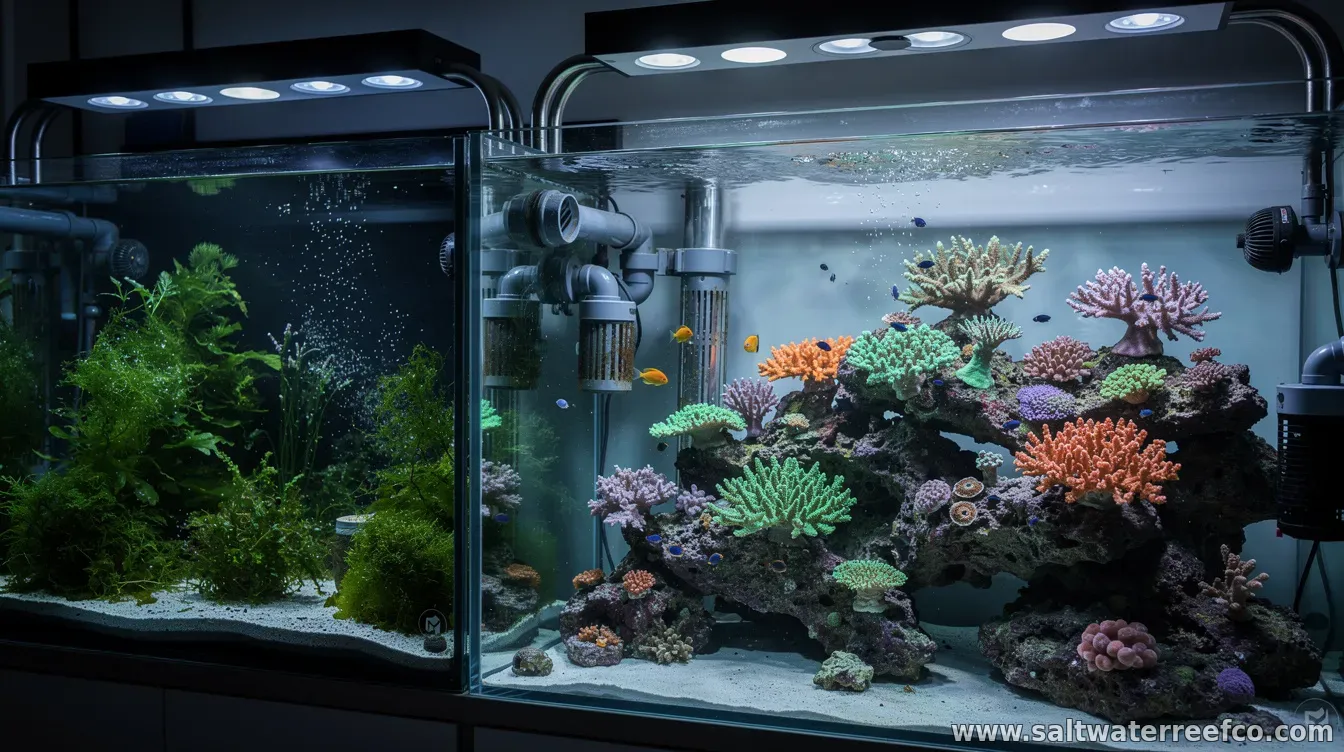
A refugium is a dedicated compartment in a reef aquarium designed to support beneficial marine life—especially microalgae, macroalgae, and small “cleanup” organisms like copepods and amphipods. Because it’s run differently from the main display, it can act as an additional layer of biological filtration without stressing your reef’s core habitat. In many reef tanks, the main challenge isn’t only keeping ammonia and nitrite at zero—it’s managing nuisance nutrients such as nitrate and phosphate that can fuel algae problems. A refugium helps by giving these inputs a place to be consumed and processed naturally. What a refugium does in a reef systemUnlike the main tank, which is usually optimized for stability and appearance, a refugium is optimized for biological productivity. If you grow macroalgae (such as Chaetomorpha), it can take up nitrate and phosphate as it grows. If you grow microalgae or maintain a “pod-friendly” area, it can also provide food and habitat for organisms that support the food web. Many hobbyists think of a refugium as a “nutrient sink” and a “biodiversity booster” at the same time: nutrients are absorbed into biomass, and that biomass becomes food for small animals that eventually circulate into the main aquarium. Common refugium setupsRefugiums come in several forms. Some are built into the sump, while others are separate containers plumbed into the system. The most effective approach depends on your goals—nutrient reduction, pod production, or both.
Regardless of the type, the key is controlled conditions: stable water flow, good circulation, and compatibility with the rest of your filtration plan. Why it helps your reef: the main benefits1) Reduced nuisance algae pressure. 2) Improved biological filtration. 3) More pods and a stronger food web. 4) Greater system stability over time. How to get it working properlyA refugium only helps if it’s set up to grow the organisms you want. Start by choosing the refugium style that matches your goal—macroalgae cultivation for nutrient uptake, or pod-focused structure for food-web support. Then pay attention to practical details like lighting (for macroalgae), gentle but consistent flow, and safe separation from pests. Common mistakes include starving the macroalgae by under-lighting it, letting the refugium become a breeding ground for nuisance organisms, or oversizing it to the point where it competes with other filtration needs. For many tanks, a refugium that is productive but not chaotic is the sweet spot. Bottom lineA refugium is a simple idea with powerful results: create a dedicated “growth and processing zone” inside your reef system. By fostering macroalgae growth and beneficial microfauna, it can help manage nutrients, reduce algae pressure, and support a more resilient reef ecosystem. | |
|
| |
Next & Previous posts