11:57 PM Choosing a Protein Skimmer: Sizing for Your Tank | |
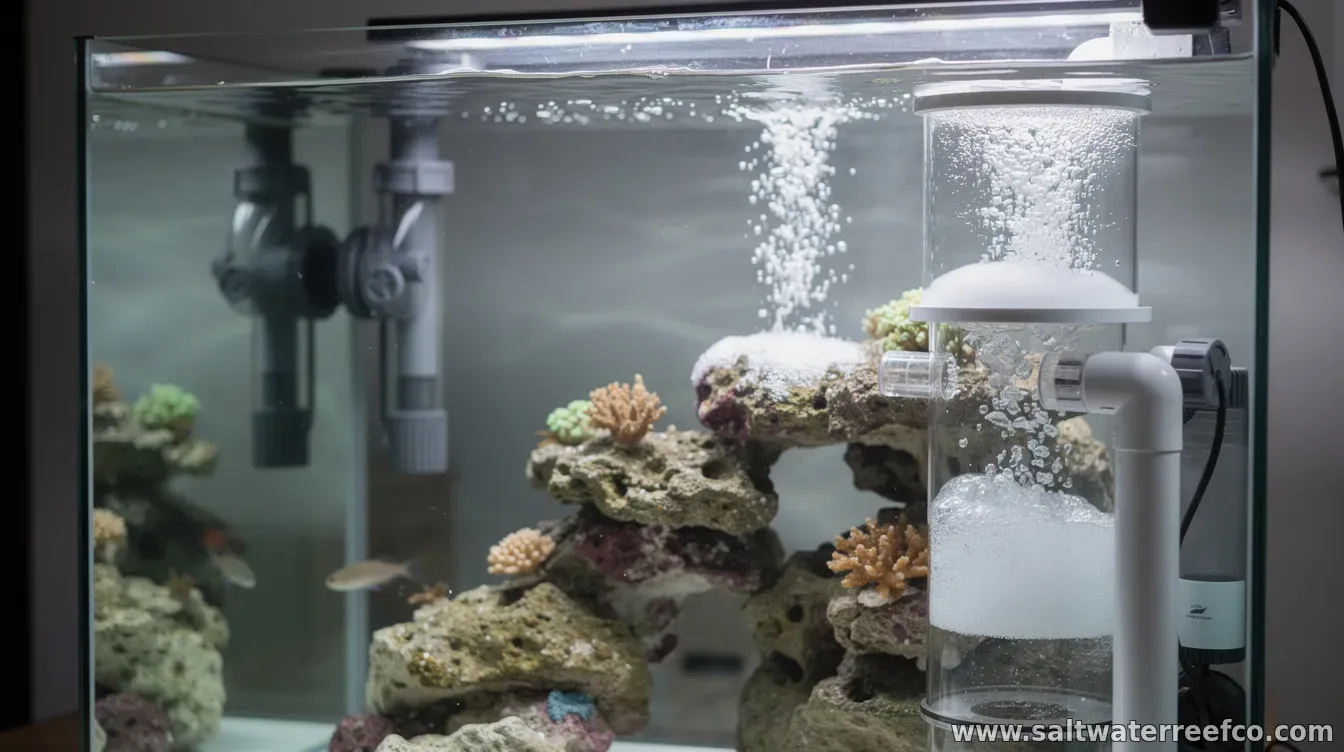
Protein skimmers are a core piece of equipment for many saltwater aquariums because they remove dissolved organic compounds before they break down into nitrate and other byproducts. But the difference between a skimmer that performs well and one that causes frustration is often simple: sizing. Most brands list a recommended tank size, yet that number can be a rough starting point rather than a guarantee. Your tank’s needs depend on how much waste is produced (bioload), how much water turnover you run, and even how wet or dry you aim to skim. Start with your tank volume—but confirm the assumptionsBegin with your system’s total water volume (display plus sump, minus displacement). Many skimmer ratings are based on a typical reference aquarium and ideal conditions. If your setup is denser with fish, feeds heavily, or includes additional organic inputs, you may need to size up. If you run a relatively light bioload—fewer fish, moderate feeding, and strong nutrient export via other methods—you can sometimes choose closer to the lower end of the skimmer’s stated range. The goal is not just “work capacity,” but consistent, stable skimming performance. Factor in bioload (the biggest real-world variable)A heavily stocked reef with frequent feeding, larger-bodied fish, or regular additions (like new fish or coral feeding) produces more dissolved organics. In those cases, selecting a skimmer rated for a larger tank often helps maintain steady foam production. Conversely, an ultra-lightly stocked tank may not benefit from oversized skimming because it can strip organics faster than you expect and make tuning more sensitive. Instead of chasing maximum performance, match the skimmer’s capacity to the waste load your tank actually generates. Understand “rating” differences: display vs. total volumeSome manufacturers quote rating based on display tank size, while others use total system volume. Others provide guidance based on typical reef loads. Before you buy, look for notes on whether the rating assumes a certain feeding level, water chemistry, or flow through the skimmer. If the rating is unclear, treat it as approximate. A practical approach is to compare the skimmer’s design (air draw and reaction chamber) and the manufacturer’s stated range, then adjust based on your bioload and how you intend to run the skimmer. Choose the right skimmer style, then size appropriatelyDifferent skimmer types behave differently even when their “tank rating” looks similar. For example, high-performance internal designs and external models can vary in how efficiently they produce stable foam under the same water conditions. If you’re comparing two skimmers, don’t focus only on the tank rating. Compare the reaction chamber size, pump capability, and how the unit is intended to be installed (internal, sump-mounted, or external). In many cases, those engineering details help explain why one skimmer seems to “perform bigger” than another. Installation matters: depth, water level, and flow consistencyProper installation is part of sizing. A skimmer that’s undersized may still perform acceptably if tuned correctly and fed consistently, but an oversized skimmer placed or adjusted incorrectly can behave unpredictably. Ensure the skimmer’s operating water level matches the manufacturer’s instructions, keep plumbing stable, and avoid fluctuating sump levels. Consistency helps the skimmer develop a reliable foam head, which is where performance becomes measurable in everyday maintenance. How to decide between “in range” and “size up”If you’re unsure, decide based on your husbandry style:
The best choice is the one that maintains consistent production without requiring constant correction. That consistency usually beats “max capacity” on paper. Common sizing mistakes to avoidOne mistake is using only the headline tank rating while ignoring bioload. Another is assuming all systems behave the same—small differences in feeding, fish load, and water chemistry can shift skimmer performance substantially. Finally, don’t forget that real-world tuning matters. Even the correctly sized skimmer may require adjustment during the initial break-in period and after changes to the system. When sizing is right and tuning is stable, the skimmer becomes an effortless maintenance tool rather than a constant project. Choosing a protein skimmer sized for your tank is ultimately about matching capacity to waste production under your specific conditions. Use tank volume as a baseline, adjust for bioload and installation constraints, and look beyond the rating number to the skimmer’s design and real tuning behavior. | |
|
| |
Next & Previous posts