0:46 AM LPS vs SPS vs Soft Corals: Beginner Guide | |
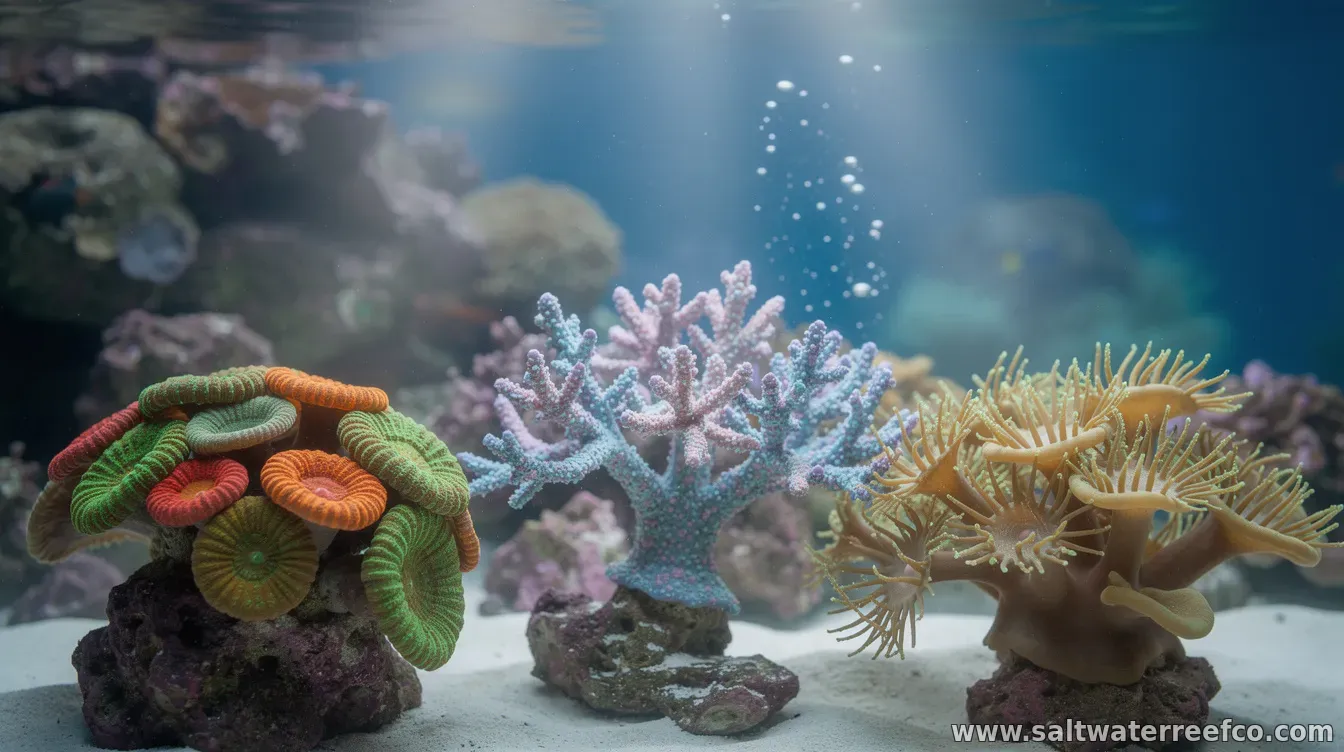
Choosing coral types is one of the biggest early decisions in a marine aquarium. The three most common beginner categories—LPS (Large Polyp Stony corals), SPS (Small Polyp Stony corals), and soft corals—differ in growth form, water chemistry sensitivity, lighting and flow requirements, and even how they “look” when healthy. Below is a practical breakdown to help you understand what each group needs and what trade-offs to expect. LPS corals: hardy “middle ground” with bigger polypsLPS corals are popular for beginners because many species tolerate a range of conditions better than SPS. As their name suggests, they have visible, larger polyps and often grow in fleshy, mound-like or branching shapes. Lighting & flow: Usually moderate lighting and gentle-to-moderate water movement. Flow that’s too strong can prevent polyps from extending fully and may stress the tissue. SPS corals: small polyps, high light, fastidious stabilitySPS corals are prized for their crisp growth tips, bright coloration, and dense skeletal structure—but they generally require more stable water conditions and stronger husbandry. Lighting & flow: Often higher light levels and more laminar or well-distributed turbulent flow to support tissue health and prevent debris buildup. Soft corals: flexible, forgiving, but watch nutrient balanceSoft corals (including many leather and mushroom-type groups) are often considered the most beginner-friendly in terms of lighting and immediate care. They typically don’t form hard stony skeletons like SPS and LPS. Lighting & flow: Requirements vary by species, but many soft corals can do well with moderate lighting and gentle-to-moderate flow. Some prefer lower flow so they can extend or breathe comfortably. Quick comparison: what to choose firstIf you’re building your reef from scratch, the “best” choice depends on your tank stability and what equipment you already have (especially lighting and circulation). A practical way to decide:
Many successful beginners also start with a mix—often soft corals plus one other category—while learning how their tank reacts to maintenance routines. Beginner tips to avoid common problemsRegardless of which group you choose, placement and water quality discipline are the difference between “it’s not working” and “it’s settling in.” Start with stable placement: Give new corals time to acclimate before changing light or flow drastically. Adjust gradually if needed. Coral care becomes much easier when you treat your aquarium like a system: stable water, appropriate light, intentional flow, and gradual adjustments. With that foundation, you’ll quickly learn which category fits your style—whether you enjoy the big-polyp look of LPS, the detail of SPS, or the adaptable forms of soft corals. | |
|
| |
Next & Previous posts