0:51 AM Soft Corals vs LPS vs SPS: Key Care Differences | |
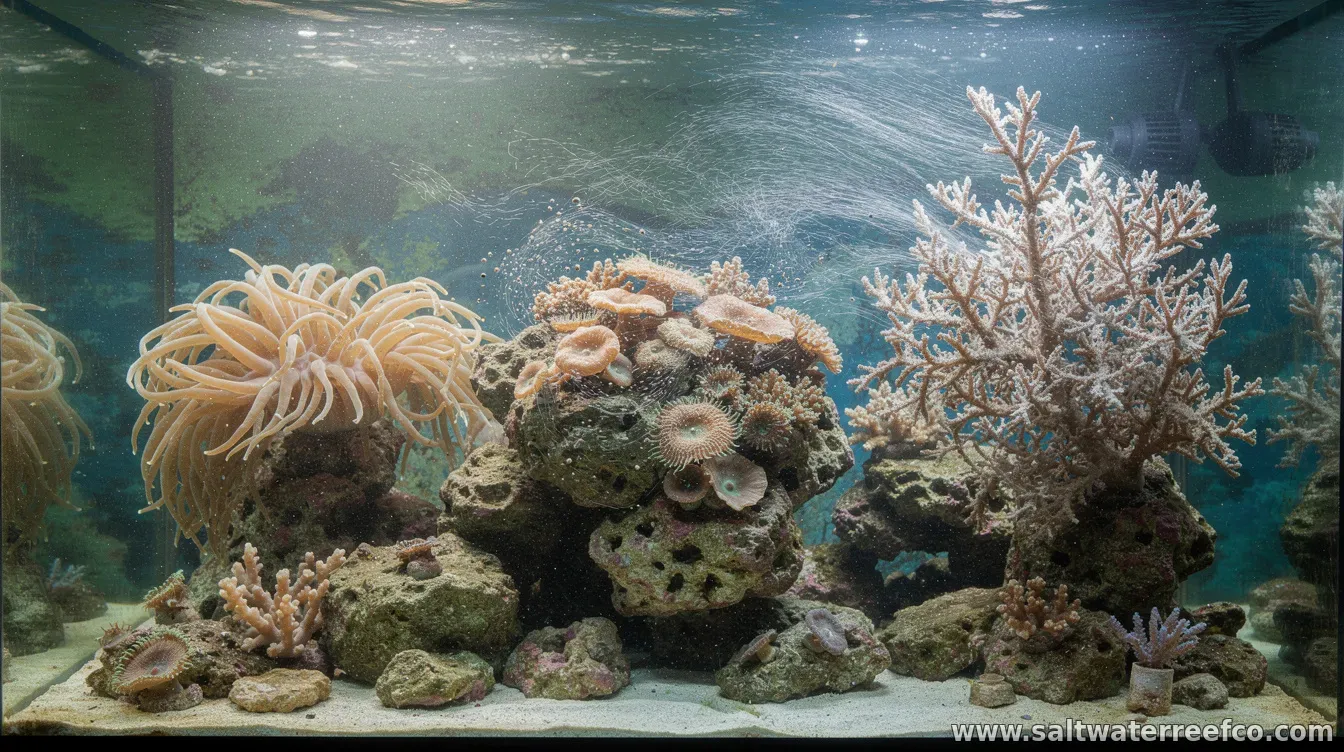
Corals are often grouped into three popular reef categories: soft corals, LPS (large polyp stony) corals, and SPS (small polyp stony) corals. While all three can thrive in well-run saltwater tanks, their care requirements vary enough that “same setup” thinking can quickly lead to stress or decline. Below is a practical comparison of what matters most—light, flow, water chemistry, feeding, and placement—so you can match coral type to your tank’s strengths. Soft corals: forgiving, flexible placementSoft corals (including many leather corals and some zoanthids) are often recommended for beginners because they tend to tolerate a wider range of conditions. They generally don’t demand the intense, high-par levels of light that SPS commonly prefers. Still, they benefit from stable salinity and clean water to reduce slime and tissue recession. In most reef systems, soft corals also appreciate moderate water movement rather than aggressive blasting. Too much direct flow can cause unnecessary stress, while stagnant areas can promote nuisance growth on the coral’s surfaces. LPS corals: balance flow and target feedingLPS corals typically have larger polyps and many are more responsive to feeding than SPS. Their care is less about chasing extreme light and more about delivering the right combination of flow, food availability, and calcium/alkalinity stability. A common theme with LPS is “gentle but effective” flow: enough to keep detritus from settling directly on the coral, but not so strong that polyps fail to extend. Many LPS also do better when you can occasionally feed appropriately sized foods, especially in tanks where natural plankton is limited. SPS corals: higher light, tighter stabilitySPS corals (such as many acropora and montipora species) usually demand more intense lighting and more precise, stable water parameters. SPS growth is often limited by inadequate lighting or inconsistent alkalinity, calcium, and magnesium levels. Even if SPS “survive,” they may show slow growth or pale coloration when conditions drift. Water movement is also critical: SPS generally prefers strong, turbulent flow that helps with gas exchange and delivers nutrients across the coral surface. Unlike some soft corals that tolerate broader ranges, SPS often responds quickly—sometimes negatively—when flow and chemistry aren’t dialed in. Water quality and chemistry: what stays non-negotiableAcross all three coral types, stability matters more than any single “magic” parameter. Reliable temperature, stable salinity, controlled nutrients, and consistent alkalinity tend to be the biggest predictors of long-term health. Efficient filtration and regular maintenance reduce the risk of swings that can trigger tissue loss, bleaching-like paling, or recurring retraction. Nutrient management is also important, but the “sweet spot” varies by coral type and tank goals. In general, tanks that are too stripped of nutrients can starve SPS, while tanks with excessive organics can fuel algae and irritate corals—especially those with delicate surfaces. Placement strategy: match coral needs to your tankPlacement is one of the fastest ways to improve results. Soft corals are often happiest in lower to moderate light zones with moderate flow. LPS commonly do well in mid-light areas with gentle, indirect flow, and they can benefit from targeted feeding techniques. SPS typically belongs higher in the tank under stronger lighting with turbulent flow patterns. If you’re building a mixed reef, start with a plan: identify where your brightest and strongest-current zones are, then assign coral categories accordingly. Moving corals gradually (for example, over days to weeks) can reduce shock compared with sudden relocation. Quick comparison: care priorities at a glanceSoft corals: usually more forgiving; prefer moderate flow and moderate light; benefit from stable, clean water. LPS corals: balance gentle flow and good detritus control; often respond well to targeted feeding; maintain calcium/alkalinity stability. SPS corals: require stronger light and more stable chemistry; prefer turbulent, consistent flow; typically need tighter parameter control for best growth. Choosing the right coral type for your system—and meeting its specific light, flow, and stability needs—makes reef keeping far more predictable. If you’re unsure where your tank fits, begin by assessing your lighting intensity, flow patterns, and how stable your alkalinity is over time, then build your coral lineup around those strengths. | |
|
| |
Next & Previous posts