5:05 AM Quarantine Best Practices: Why Skipping This Step Costs You Fish | |
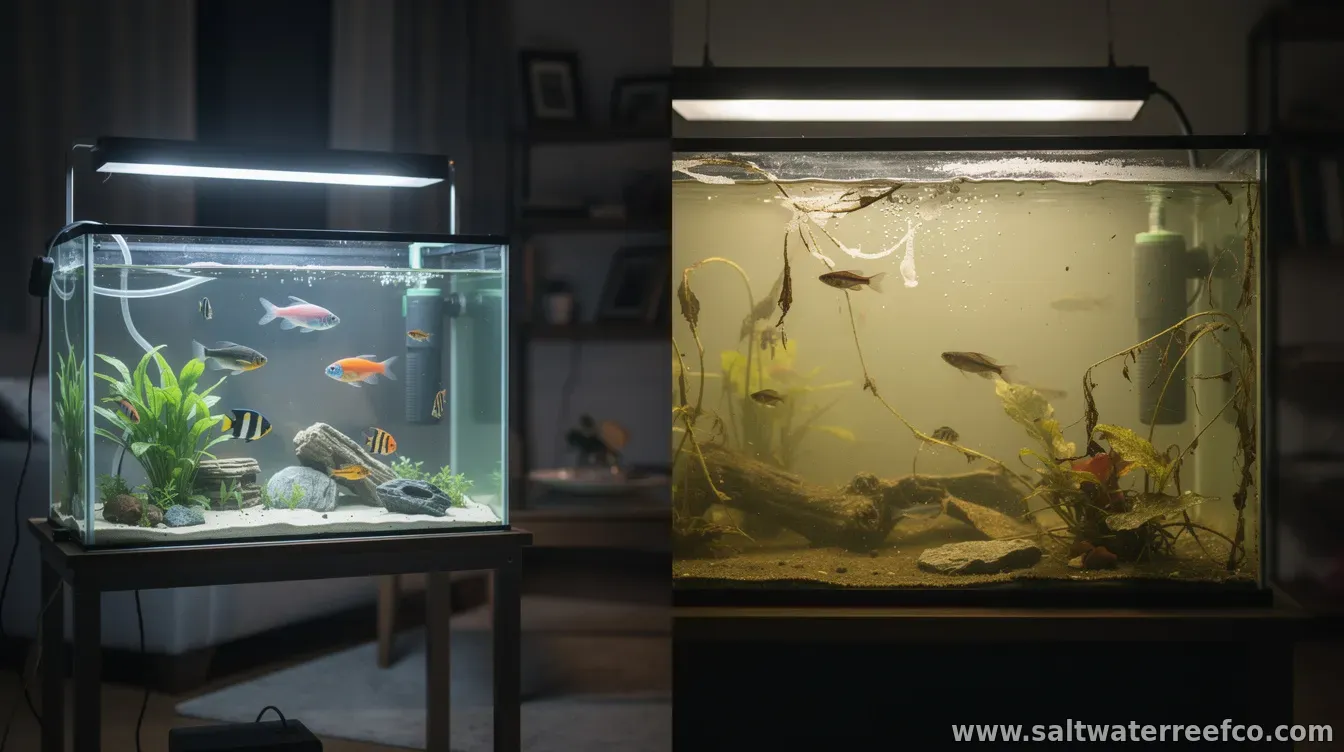
Adding new fish to an aquarium is exciting—until it isn’t. One of the most common ways hobbyists lose established fish is by skipping quarantine, a step that can reveal disease before it spreads through the main tank. While quarantine isn’t glamorous, it is often the difference between a routine purchase and a full-blown health crisis. In practice, quarantine acts like a “buffer zone” between the store (or breeder) and your display tank. Many pathogens are present before symptoms appear, and some illnesses progress quickly under aquarium conditions. When a newly purchased fish carries parasites, bacteria, or other infections, the rest of the tank may pay the price. Why quarantine matters more than most people expectEven well-cared-for fish can arrive with microscopic hitchhikers or early-stage infections. Stress from transport and changes in water chemistry can trigger symptoms shortly after introduction. By quarantining first, keepers gain time to observe behavior, check for visible signs, and treat when it is still contained. Failing to quarantine can also escalate costs. Treatments in a display tank are harder to manage because they may require adjusting filtration, removing sensitive invertebrates, or dealing with lingering pathogens in established systems. In other words, what could have been a contained fix becomes a full-tank emergency. Core quarantine best practices for healthier outcomesMost effective quarantine setups prioritize observation, stable water quality, and appropriate equipment. Many hobbyists use a separate tank (or tub) with a heater and filter, then run it on the same water-change schedule they would in a main aquarium. Keeping temperature and water parameters consistent reduces additional stress during the observation window. Observation comes first. Keepers typically watch closely for changes in appetite, flashing or rubbing (often linked to irritation), abnormal breathing, clamped fins, cloudy eyes, frayed tails, or white spots. Because signs can be subtle at the beginning, it helps to have a simple daily routine for monitoring and quick decision-making. Many quarantine plans also include preventive handling of common risks, but the right approach depends on what you observe and the species involved. Some keepers choose targeted treatment only after symptoms appear; others use structured preventive measures based on known exposure risks. Regardless of method, the guiding principle is containment—any medication or intervention should happen in quarantine, not in the display tank. Feeding during quarantine should be consistent but conservative. Overfeeding can worsen water quality in a smaller isolation tank, raising ammonia and stressing fish. Well-balanced feeding in modest portions supports recovery and makes it easier to spot when appetite drops—often an early warning sign. Common mistakes that undermine quarantineQuarantine often fails not because the idea is wrong, but because the execution is inconsistent. Common pitfalls include using uncycled equipment, skipping water testing, failing to match temperature during transfer, or holding fish in quarantine for too short a period. Another frequent issue is cross-contamination—sharing nets, siphons, towels, or even hands between tanks without proper cleaning. Finally, quarantine is not just “set it up and forget it.” The whole point is time and close observation. If you don’t track behavior and conditions daily, you may miss the early window where treatment is most effective and least disruptive. For most hobbyists, the best quarantine strategy is one they can follow consistently: a dedicated setup, a simple routine for testing and observation, and a clear plan for what to do if signs appear. Skipping quarantine may seem like a shortcut, but the losses—both fish and money—often arrive quickly. With a quarantine plan in place, you can add new fish with more confidence and protect the animals you already trust. In aquarium care, prevention is rarely dramatic—but it is usually the most reliable way to keep fish healthy. | |
|
| |
Next & Previous posts