1:14 AM How to Choose a Protein Skimmer for Your Reef Tank | |
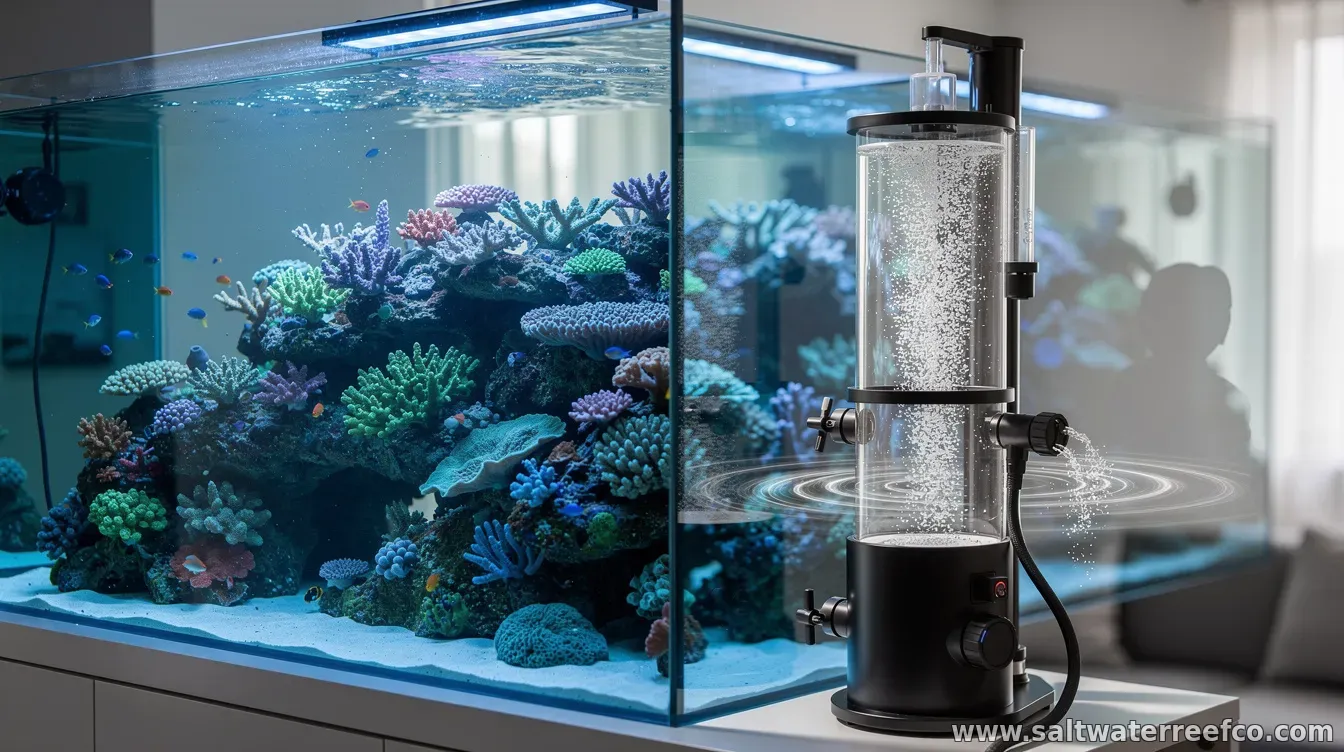
A protein skimmer is one of the most important pieces of equipment for many reef aquariums. By pulling dissolved organic compounds (often called “DOCs”) out of the water before they fully decompose, a skimmer can help support stable water parameters and reduce the load on other filtration. Still, the “best” skimmer depends on your tank, your stocking level, and how you plan to run your system. The goal is to buy a unit that matches your reef’s needs—not just one with the biggest advertised capacity. Start with the tank and bio-load you actually runSkimmer sizing is often listed as a tank-size range, but those numbers can be optimistic. Instead of only using “rated for X gallons,” consider your reef’s bio-load: fish count, feeding frequency, coral density, and whether you run extra nutrients intentionally (for faster growth) or aim for very low nutrient levels. If your tank is heavily stocked or you feed aggressively, you may want a skimmer toward the upper end of the stated range—or one that is known for strong performance in low-nutrient systems. If you have a lighter bioload or plan to keep nutrients moderate, an over-sized skimmer can drive nutrients too low, making stability harder. Air draw and reaction chamber matter more than marketing claimsWhen comparing models, look for performance metrics that reflect how much organics the skimmer can process. For many reef keepers, air draw (often measured in L/min) is a useful indicator, but it’s not the only factor. Pay attention to skimmer design details such as:
In practice, two skimmers with similar “rated” tank sizes can perform differently depending on design and pump tuning. Choose the right type for your setup: sump, in-sump, or externalMost reef systems rely on a sump, and in-sump skimmers are common for good reason: they’re easier to hide, and they can be quieter and more efficient than many hang-on designs. But the best choice still depends on your plumbing layout and the space available under your stand. Measure carefully: consider the footprint, the height required for installation and maintenance, and the amount of water level your skimmer needs to operate correctly. Also factor in how you will access the collection cup to empty it regularly. If you’re using a small sump or limited space, prioritize skimmers with a design that performs reliably at the operating water depth available in your system. Noise, maintenance, and “tuning time” are real buying criteriaSkimmer performance is not only about specs—it’s about daily usability. A unit that is hard to tune or frequently clogs can undermine the benefits you’re paying for. Before buying, evaluate practical considerations:
It’s also normal for skimmers to require a break-in period. Plan for initial tuning and expect that foam production may take time to stabilize after installation. Watch out for under- or over-skimming signalsOnce installed, tuning becomes the key. Signs of under-skimming can include very dry or barely forming foam heads, minimal skimmate production, or visible lack of consistent bubble action in the reaction chamber. On the other hand, skimming that’s too aggressive can produce consistently thick, very dark skimmate too quickly and may push nutrients downward faster than your reef can handle. The best approach is to tune gradually while monitoring trends in your system—especially nitrate and phosphate—rather than reacting to a single day’s skimmate color or volume. For many reef tanks, the best “test” is how the whole system responds: stable coral behavior, consistent water clarity, and predictable nutrient levels over weeks. Placement and water quality affect resultsSkimmers work best when operating conditions are consistent. Small changes in water level, salinity, and temperature can shift foam production. Ensure your skimmer inlet flow is stable and that the skimmer is positioned where it can access uniform water—commonly in the sump section designed for it. If you’re using a variable return pump or a system with fluctuating sump levels, consider controlling water level with an ATO (automatic top-off). Stability reduces tuning headaches and helps the skimmer perform as designed. Choosing a protein skimmer is less about chasing the largest rating and more about matching your skimmer’s real-world performance to your tank’s bio-load and your system’s layout. Start with your tank’s needs, compare meaningful performance factors, verify fit and maintenance expectations, then tune slowly and monitor nutrient trends. With the right selection, a skimmer becomes a quiet, steady foundation for a healthier reef. | |
|
| |
Next & Previous posts