0:22 AM The True Cost of Owning a Reef Tank (Full Breakdown) | |
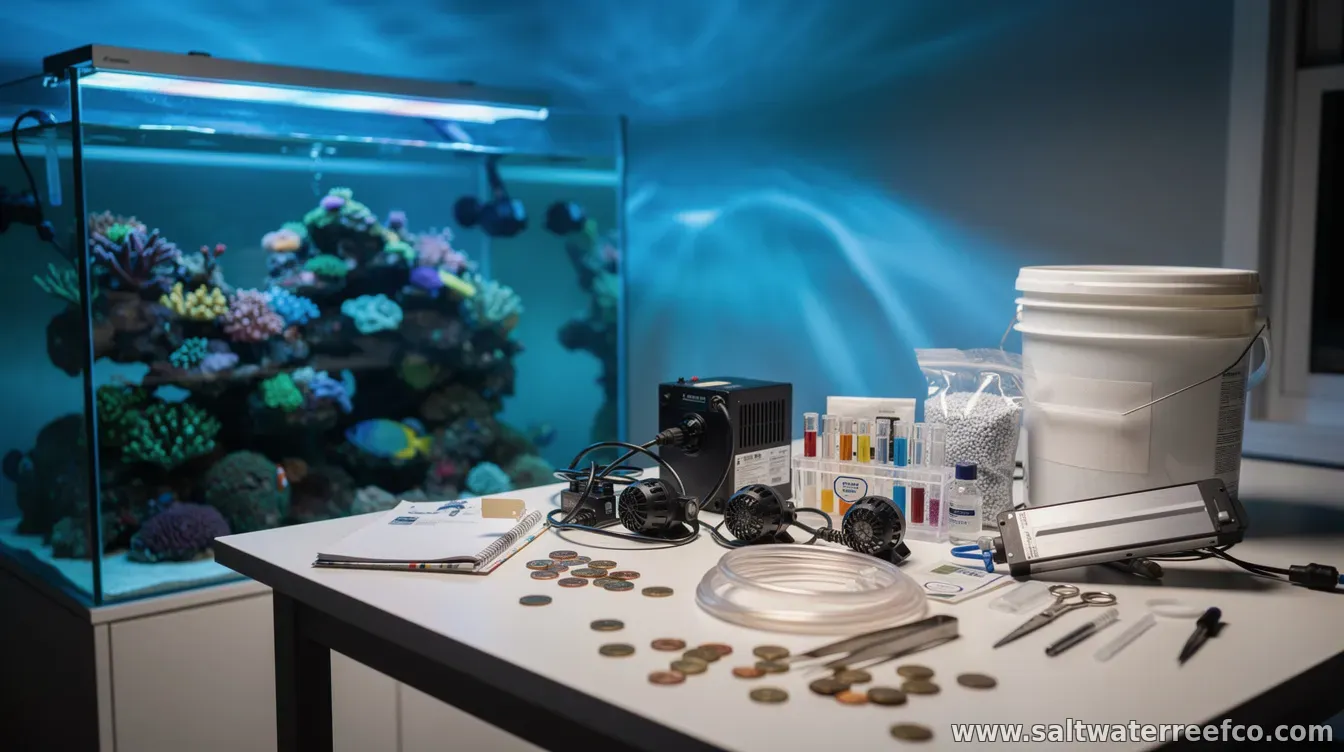
Owning a reef tank isn’t just about buying an aquarium and a light. The true cost includes years of water quality management, ongoing consumables, equipment wear-and-tear, and the biological reality that livestock may need replacement due to pests, disease, or poor parameter stability. For most hobbyists, budgets fall short because the expenses are spread across multiple categories—some upfront, others invisible until months later. Below is a full breakdown of what reef keeping typically costs, what drives those numbers, and where new owners can plan more realistically. 1) The upfront setup: buying the “system”The biggest initial expense is creating the life-support system for a reef—especially if you’re building around established reef gear standards. Costs vary widely by tank size (and whether you buy new or used), but the major one-time categories are consistent: display tank and stand, filtration, circulation, lighting, heating (and sometimes cooling), and water control equipment. Common one-time costs include:
2) The recurring bill: electricity, salt, and testingMonthly reef tank costs come from electricity, water replacement (salt + water), and the consumables needed to keep parameters stable. Even with efficient equipment, lights and circulation pumps run constantly, and evaporation forces frequent top-offs. Expect recurring costs for:
A key budget driver is tank size and stocking density. A larger tank typically evaporates more and demands more salt, but it can be more stable per gallon when maintained correctly—so costs don’t scale linearly. 3) “Hidden” consumables: the stuff that adds up quietlyBeyond the obvious expenses, reef tanks routinely consume items that new owners may not anticipate. These include filter media, replacement parts for pumps and heaters, tubing, actuator hardware, and the small supplies that prevent leaks or equipment downtime. Typical underappreciated costs include replacement skimmer parts, chemical filtration media (when used), ATO (auto top-off) float/sensor replacements, and ongoing maintenance consumables like wipes, siphon tubing, and cleaning tools. 4) Livestock and risk: your largest variable costLivestock is where budgets become unpredictable. Even with good husbandry, reef keepers often incur losses from pests, shipping stress, compatibility issues, or parameter drift during early cycling and later system changes. Coral and fish costs also vary dramatically by species and availability. Planning for this means allocating money for:
Some hobbyists minimize risk by going slow—adding fewer animals at a time, monitoring stability, and quarantining when appropriate. Going slow can reduce replacement costs, even if it slows “completion” of the tank. 5) Cost examples by approach (budget, midrange, premium)Reef tanks can be built cheaply or expensively, but costs don’t just depend on “tier”—they depend on choices like return pump type, skimmer performance, LED intensity, whether you run carbon/GFO (or alternatives), and whether you automate stability (controllers, dosing systems, auto top-off). A budget approach often emphasizes getting stable basics first (good lighting, circulation, filtration, RO/DI). A midrange approach adds automation and more refined filtration. A premium approach typically includes higher-end equipment, redundancy planning (like monitoring), and stronger long-term system integration. Regardless of approach, the practical lesson is the same: the most expensive reef tank is the one that keeps needing fixes. Equipment and processes that reduce failures—leaks, temperature swings, salinity drift, or persistent water-quality issues—often cost less over the long term than repeated troubleshooting. 6) The real “full cost” formulaTo estimate your true reef tank cost, treat it like a multi-year operating system, not a one-time purchase. A simple way to model the budget is to add:
If you’re serious about long-term success, build a contingency fund early. Even the best-planned tanks experience surprises—equipment failures, sudden parameter shifts, or pests—and the ability to respond quickly helps keep losses from compounding. Ultimately, reef keeping rewards consistent maintenance and patient stocking, and that’s reflected in cost. The “true cost” isn’t just what you spend on day one—it’s what you invest every month to keep the system stable for months and years to come. | |
|
| |
Next & Previous posts