0:43 AM Refugiums: Purpose, Setup, and Best Macroalgae Choices | |
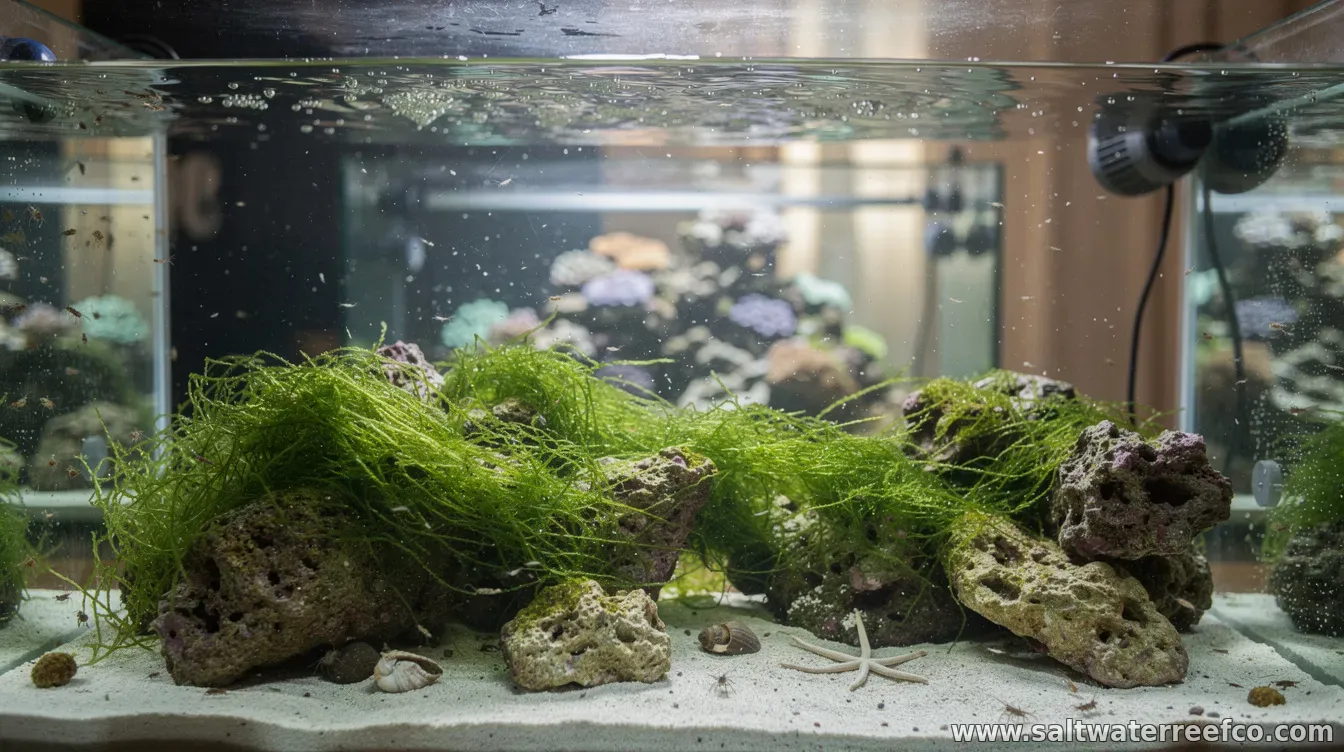
A refugium is an extra compartment—either plumbed into the main system or run as a separate tank—that uses live organisms to support a marine aquarium’s overall health. While mechanical and chemical filtration remove particles and dissolved contaminants, a well-run refugium aims to encourage biological processes that help stabilize water quality over time. Most hobbyists use refugiums to manage nutrients, grow beneficial planktonic and benthic life, and provide a “nursery” for small creatures like copepods. The core idea is simple: offer a low-stress, low-predation zone where algae and microfauna can thrive, indirectly improving how the display tank functions day to day. What a refugium is forRefugiums typically target three practical goals. First, they help process dissolved nutrients—especially nitrate and phosphate—through uptake by algae and other primary producers. Second, they promote a steady population of microfauna that can become a natural food source for fish and invertebrates. Third, they can reduce the “boom and crash” effect some aquariums experience when nutrient levels swing, by giving nutrients a controlled outlet. In many systems, the macroalgae grown in a refugium is the main nutrient sink. As the algae absorbs nutrients, it also grows; regular trimming exports the accumulated nutrients from the system. That export mechanism is why refugiums are often paired with predictable husbandry routines. How to set up a refugiumSetup choices vary depending on whether you’re retrofitting an existing sump or starting a dedicated compartment. In general, you want: reliable water turnover from the main system, gentle enough flow to avoid blowing sand and to keep organisms settled, and appropriate lighting to fuel algae growth. Common configuration principles include locating the refugium in an area with stable temperatures, using baffles or a divider to prevent detritus from immediately accumulating everywhere, and ensuring there’s a clear path for excess water to return to the sump or display. Many aquarists keep the refugium’s outflow rate moderate so macroalgae has time to absorb nutrients rather than being constantly stirred up. Lighting is critical. Macroalgae need sufficient intensity and a consistent photoperiod; a common approach is to run the refugium light on a schedule that complements the display lights (for example, “opposite” hours) to help smooth daily pH swings. If lighting is too weak, algae growth slows; too strong or too long without trimming can encourage unwanted nuisance algae or filament blooms. Finally, plan for maintenance from day one. Trimming macroalgae on a regular cycle, siphoning detritus when needed, and monitoring salinity, temperature, and nutrient levels will determine whether the refugium becomes a stable nutrient export method rather than a long-term debris trap. Best macroalgae choices (and what they’re known for)Macroalgae selection depends on your system’s nutrient profile, desired growth form, and tolerance for maintenance. The goal is usually to pick a species that grows reliably under your lighting while being easy to harvest and resistant to being overtaken by nuisance algae. Chaetomorpha (“chaeto”) is the most common recommendation for refugiums. Its thread-like, ball-shaped growth pattern makes it relatively easy to harvest, and it tends to perform well as a nutrient export macro in many reef setups. It’s also less likely to trap detritus than some slower-growing or heavier algae types. Gracilaria can be another strong option, particularly if you’re looking for rapid growth and a different texture. It may require a bit more attention to prevent it from breaking apart excessively, and it can be more sensitive to shifts in conditions depending on the specific strain. Ulva (“sea lettuce”) is known for quick growth under favorable conditions, which can be useful when you need faster nutrient uptake. The trade-off is that it can be prone to spreading and may become messy if it reproduces faster than you can trim or if it starts fragmenting into the system. Caulerpa species are popular in some aquarium circles but are often approached with caution. Certain Caulerpa forms can spread aggressively and, in some systems, may require careful management to avoid issues if biomass is disturbed. If you choose Caulerpa, research the specific species and ensure your refugium design supports controlled harvesting. In practice, many aquarists start with chaeto because it’s straightforward, then adjust based on results. If nutrients remain stubbornly high, increasing light quality/photoperiod or reviewing flow and feeding can help; if algae overgrows before you can trim, reducing lighting time or improving harvest frequency may be necessary. Whichever macroalgae you select, treat the refugium as a living subsystem: consistent lighting, steady water exchange, and scheduled harvesting typically matter as much as the initial choice of algae. | |
|
| |
Next & Previous posts