11:50 PM Calcium, alkalinity, and magnesium: how they shape coral growth | |
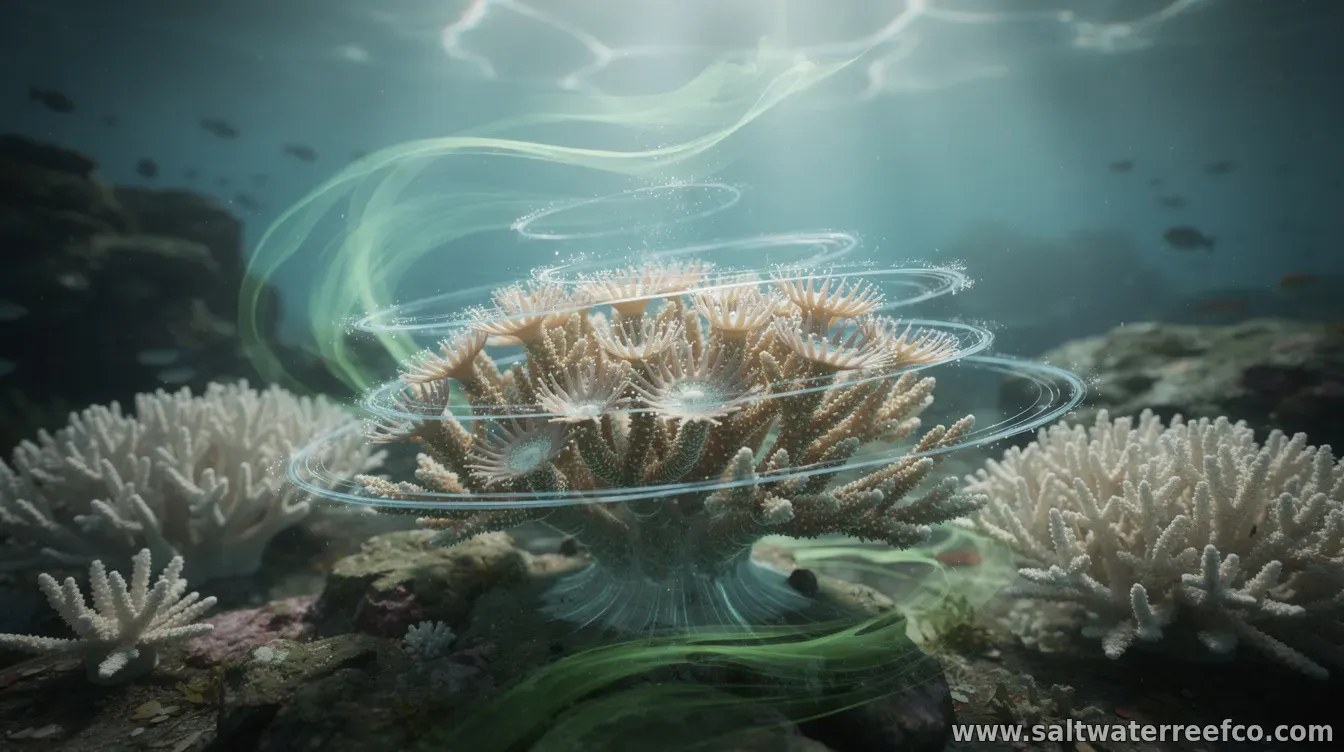
Corals build their reefs by turning dissolved seawater chemistry into calcium carbonate, the mineral that forms their skeleton. While factors like temperature, nutrients, and disease receive much of the attention, the “molecular ingredients” in seawater—particularly calcium, alkalinity, and magnesium—play a direct role in how fast and how reliably corals can grow. Together, these compounds influence both the materials corals use and the stability of the chemical process behind calcification. When seawater chemistry shifts, growth rates can slow and skeletons can become less robust, weakening reefs over time. Calcium: the core building blockCalcium (Ca) is the primary cation corals draw from seawater to form calcium carbonate (aragonite, the crystal form many reef-building corals prefer). In simplified terms, coral calcification depends on calcium availability alongside carbonate chemistry. In many ocean regions, calcium is relatively abundant, so changes in coral performance often come less from calcium “running out” and more from how other variables—such as alkalinity and pH—affect carbonate availability. Even when calcium concentrations are not dramatically altered, stressors that reduce calcification efficiency can still lead corals to produce less skeletal material. That outcome can be compounded by local conditions such as freshwater inputs, pollution, or warming-driven stratification that changes how seawater interacts with carbon dioxide. Alkalinity: the carbonate supply lineAlkalinity (often discussed as total alkalinity) acts as a measure of the water’s capacity to neutralize acids—effectively representing how much buffering system is available. For corals, alkalinity matters because it helps determine the concentration of carbonate ions, the component needed to form calcium carbonate. When atmospheric carbon dioxide dissolves into seawater, it generally lowers pH and reduces carbonate ion availability, a process commonly summarized as ocean acidification. Lower carbonate availability can make calcification harder even if calcium remains present, which can translate into slower growth, thinner skeletons, and reduced reef-building potential. Magnesium: a regulator of mineral formationMagnesium (Mg) is typically present at much higher concentrations than many trace elements, and its role is often described as a “modulator” of mineral formation. Rather than serving as a direct building block for calcium carbonate, magnesium can influence how aragonite crystals form and arrange, affecting the characteristics and stability of the skeleton during growth. Researchers studying coral mineralogy have linked magnesium-related effects to changes in crystal formation pathways. While magnesium levels in open ocean waters are generally comparatively stable, shifts in water chemistry driven by upwelling, mixing, or long-term ocean changes can still influence the overall environment in which corals precipitate their skeletons. Why the trio matters togetherCoral calcification is not a single-ingredient reaction. It depends on the balance between calcium availability, alkalinity-driven carbonate chemistry, and magnesium’s influence on mineral formation. That means reefs can respond to chemical stress in complex ways: for example, acidification may reduce the carbonate ions corals need, while other local factors can alter how mineral particles nucleate and grow at the scale of coral tissues. In practice, this chemical “triangle” helps explain why some reefs show stronger resilience than others even under similar climate pressure. Water chemistry conditions—often influenced by circulation patterns, watershed runoff, or local pollution—can either cushion corals against or accelerate declines in calcification performance. As coastal communities and climate pressures intensify, monitoring seawater chemistry that includes alkalinity, pH (as it relates to carbonate), and magnesium can be crucial for predicting reef health and for designing management strategies. For coral restoration efforts, maintaining or restoring favorable conditions—especially regarding carbonate availability—may be as important as providing suitable light and reducing physical stress. | |
|
| |
Next & Previous posts