1:14 AM Juvenile Koran Angelfish Reveal Striking Black-and-White Pattern | |
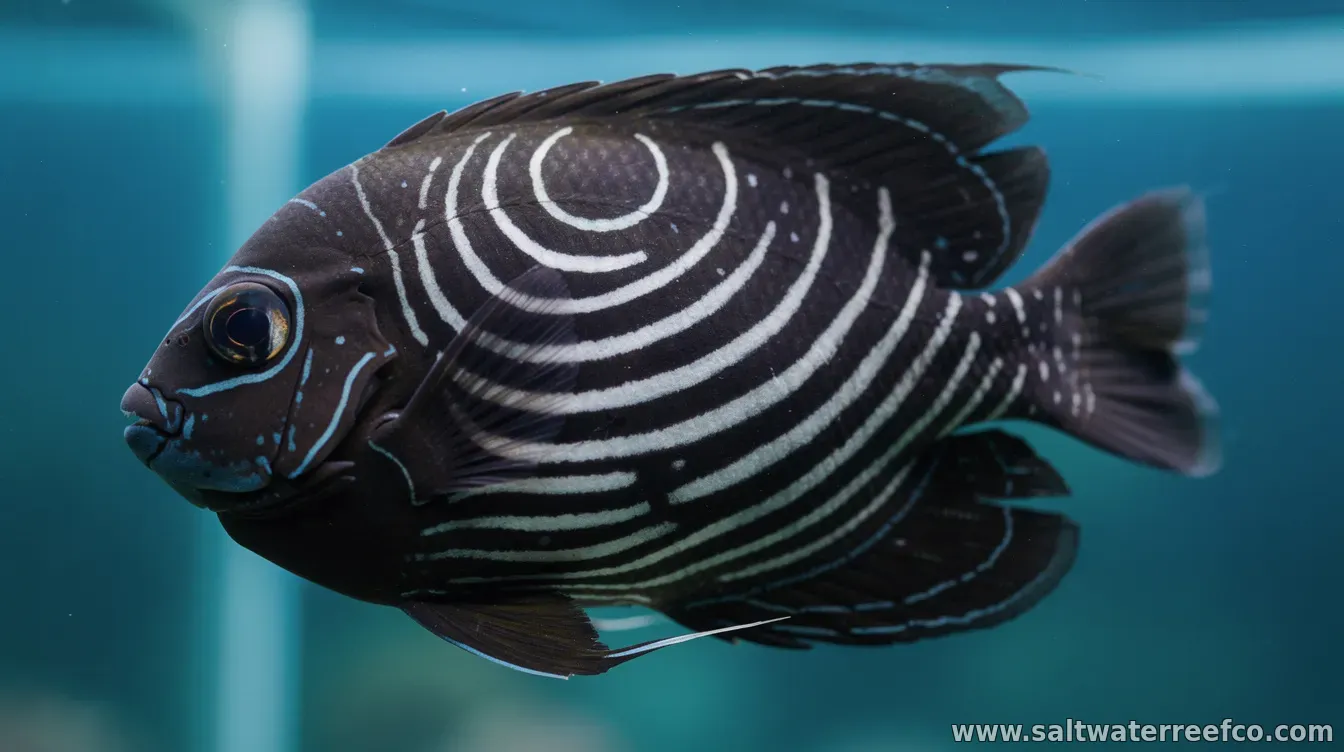
Juvenile Koran angelfish (*Pomacanthus semicirculatus*) are capturing the eye of reef hobbyists with a striking look: deep black coloration paired with clean white patterning. The high-contrast design is most noticeable in younger fish and is often the first visual clue that distinguishes juveniles from adults. In aquariums and observational reports, the juveniles’ bold markings can look almost “graphic” compared with the smoother, more fully developed coloration many anglers and aquarists expect from older specimens. This is one reason the species is popular for display tanks focused on coloration and behavior. Why the juveniles look so differentLike many marine species, Koran angelfish change appearance as they grow. Early-life coloration commonly reflects a combination of biological development and survival pressures, including camouflage and species recognition. As the fish matures, the overall pattern and body tone can evolve toward the adult look. That transformation means the juvenile stage is a short window when the black-and-white contrast stands out most clearly—an effect that becomes part of the appeal for collectors aiming to document the fish at different growth phases. What hobbyists say they noticeReef keepers frequently describe juvenile Koran angelfish as visually “instant” centerpieces because the contrast is strong even in dimmer aquarium settings. Many also highlight that the pattern becomes less stark as the fish develops, with markings blending into the broader adult coloration. Because juvenile appearance can vary with diet, water conditions, and individual genetics, no two fish may display identical intensity or placement of markings. Still, the overall black body with white features is a recurring theme in keeper observations. Care considerations for keeping color vividFor aquarists hoping to maintain healthy coloration through the juvenile stage, stable water quality and appropriate nutrition are key. A consistent feeding routine that supports growth—along with good filtration and appropriate tank size—can help juveniles develop normally, which in turn supports their characteristic juvenile look. Experts also emphasize that stress can impact appearance in marine fish. Minimizing aggression from tankmates, providing enough hiding space, and maintaining stable parameters can reduce stress-related fading or uneven development of markings. As juvenile Koran angelfish grow, their appearance will likely change again—turning a bold early look into a more mature pattern. For hobbyists, the transformation is part of the story, making the juvenile phase both a visual highlight and a biological milestone. | |
|
| |
Next & Previous posts