1:56 AM Nuisance algae in aquariums: hair algae, dinos, and bubble algae | |
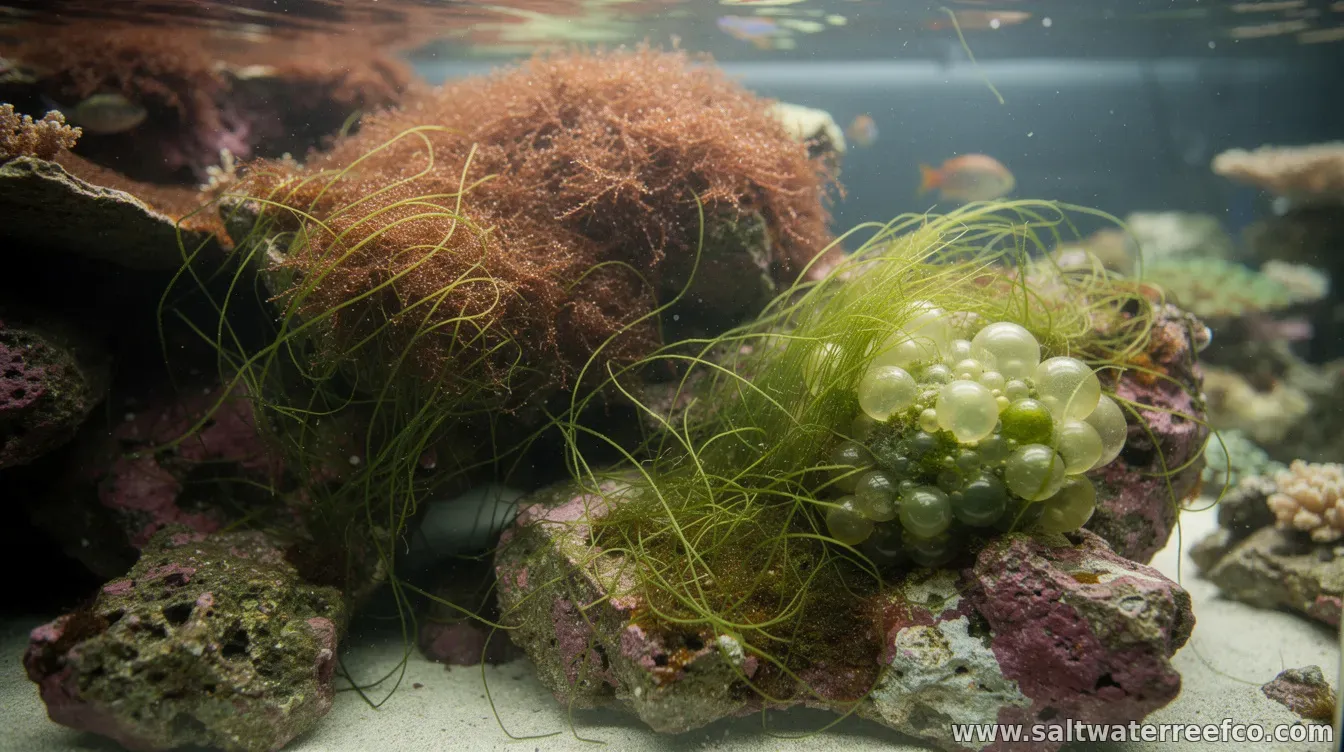
Nuisance algae are among the most common “tank problems” reported by aquarium keepers, but they’re not all the same—and treating them with one-size-fits-all methods often makes things worse. Three of the most frequently discussed outbreaks are hair algae, dinoflagellates (often called “dinos”), and bubble algae, each with different drivers and warning signs. Hair algae: fast growth, manual removal helps earlyHair algae typically appears as thread-like green strands that attach to hardscape, plant leaves, or slow-growing surfaces. Many aquarists notice it during periods of elevated nutrients or reduced competition from fast-growing plants, especially when lighting is strong but biological filtration and plant uptake lag behind. Practical first steps usually focus on removing what you can and reducing what feeds it: trimming heavily affected growth, increasing plant biomass or adding vigorous species, and stabilizing feeding and nutrient export. While chemical “algaecides” may suppress symptoms temporarily, long-term control generally comes from balancing light and nutrients so the tank’s beneficial organisms can outcompete algae. Dinoflagellates (dinos): the cloudy film that signals instabilityDinoflagellates can look like a brown, rust, or golden-brown film, sometimes with a “slick” texture that returns quickly after scrubbing. Many hobbyists encounter dinos during new tank setups or after disruptions such as water chemistry swings, filter changes, or altered lighting schedules—conditions that can stress beneficial microbial communities. Because dinos behave differently from typical algae, they often require a more targeted approach. Aquarists commonly aim for stable parameters, careful light management (often reducing intensity and duration temporarily), and strong biological filtration. In many cases, improving competition—through healthy microbial balance, adequate surface and flow, and well-established plants or algae consumers—helps reduce dinos without harming the rest of the tank. Bubble algae: white/green dots that frustrate scrapingBubble algae is best recognized by small, bubble-like growths that can dot rocks, glass, and ornaments. It often persists because it can spread across surfaces and regrow even after partial removal, leading to a cycle of repeated scraping and cleaning. Effective management tends to emphasize nutrient control and surface cleanup tied to prevention: maintaining appropriate nutrient levels, preventing detritus buildup, and ensuring the tank has enough fast-growing competing life. Many keepers also review maintenance routines—siphoning waste, improving circulation so detritus doesn’t settle, and keeping equipment functioning properly—since localized nutrient pockets can encourage persistent outbreaks. Across all three nuisance types, the most reliable pattern is the same: outbreaks are rarely random. They usually reflect a mismatch between light, nutrients, and biological stability—whether that’s from overfeeding, insufficient plant uptake, changes to filtration, or maintenance intervals. If you’re dealing with a current outbreak, consider starting with careful identification, then adjust one variable at a time. Keep notes on lighting duration, feeding amount, recent maintenance, and water test results so you can connect cause and effect. With stable conditions and consistent maintenance, most tanks can recover—and preventing recurrence is often easier than chasing the next burst. | |
|
| |
Next & Previous posts