1:12 AM Zoanthids care guide and palytoxin safety checklist | |
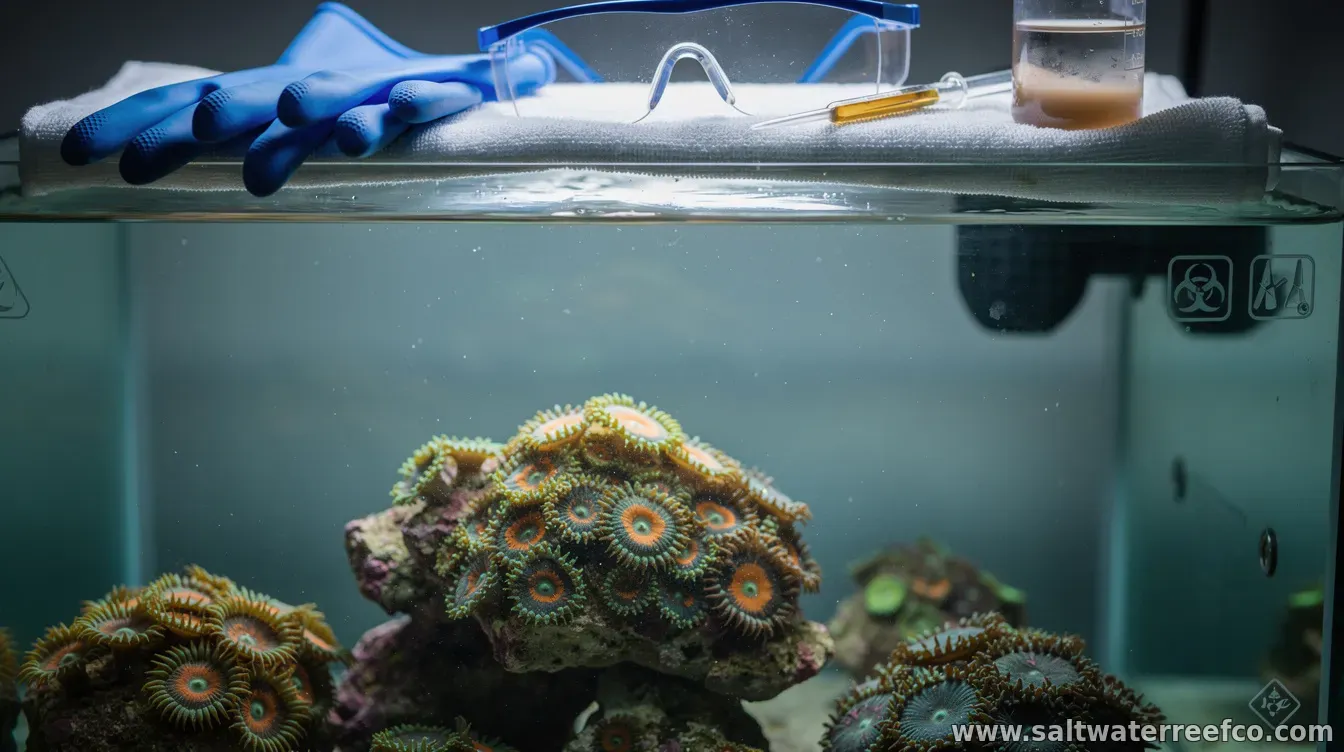
Zoanthids—often sold as “button polyps” or colorful mats—are among the most commonly kept soft corals in home reef tanks. They’re frequently recommended for their vivid appearance and relative hardiness. But when zoanthids are handled, they can also become a public-safety concern because some species are associated with palytoxin, a highly potent toxin. Below is a care-focused overview of what zoanthids typically need in an aquarium, followed by practical safety steps aquarists can use to reduce exposure risk during fragging, cleaning, or maintenance. Baseline care: lighting, flow, and water qualityMost zoanthids do best under moderate to strong lighting, which supports their symbiotic algae. Exact intensity depends on the species and the tank’s spectrum, but a common approach is starting at moderate light and adjusting gradually if polyps show signs of stress (for example, loss of color or receding). Tank-level stability matters: swingy parameters are often harder on zoanthids than any single “perfect” number. Water movement should be present but not excessively turbulent. Gentle, indirect flow helps deliver food particles and keeps debris from settling on polyps. Many keepers aim for a “sway” rather than a “blast,” especially for new frags still establishing on the rock or plug. Feeding and nutrient balanceZoanthids can capture dissolved and particulate matter from the water column, and they also benefit from appropriately balanced nutrients. In practice, many aquarists keep a reef-style system where nitrates and phosphates are neither zeroed out nor allowed to spike. If your tank is extremely “ultra-clean,” zoanthids may grow but look less vibrant; if nutrients run high, growth can come with unwanted algae competition or stressed tissue. Some hobbyists use targeted feeding (e.g., small amounts of appropriate coral foods) to encourage expansion and color. If you feed, do it lightly and watch for water-quality changes—zoanthids are tolerant, but the tank ecosystem still needs to stay stable. Placement: attachment and pest preventionWhen introducing zoanthids, consider where you can maintain them easily. They typically attach to rock and frag plugs, but they can still shift or partially detach as they settle. Many aquarists position colonies where flow and light are consistent and where routine maintenance won’t require scraping or aggressive handling. Like other reef organisms, zoanthids can be challenged by pests and nuisance organisms. Keep an eye out for irritation, melting, unusual discoloration, or persistent gunk on the tissue. Early intervention usually beats repeated “wait and see” cycles. Palytoxin safety: what to do before you handle zoanthidsBecause certain zoanthids are linked to palytoxin exposure, aquarists should treat handling as if risk is possible. The key principle is to prevent toxin from contacting skin, eyes, or mucous membranes, and to avoid inhaling or spreading aerosolized material. Before maintenance or fragging:
During handling: keep the fragging and removal process controlled. Avoid high-pressure rinsing or techniques that create fine droplets. If a piece “melts” or releases tissue, treat it as hazardous—remove debris carefully and thoroughly clean the work area. Afterward: wash hands and exposed skin with soap and water. Clean tools and the tank area using safe, separate procedures from general kitchen or bathroom cleaning. Launder any contaminated clothing promptly. Mixing caution with realismPalytoxin is dangerous, and the safest approach is to reduce exposure during every direct contact moment—especially when cutting, scraping, or cleaning around attached polyps. At the same time, many hobbyists keep zoanthids for years without major incidents by following consistent safety habits. Treating safety as a routine step—rather than an exception—helps you enjoy the hobby while reducing unnecessary risk. If you have symptoms after handling (such as eye irritation, breathing discomfort, or other concerning signs), seek medical advice promptly and inform the clinician that zoanthid/palytoxin exposure may be involved. With stable water parameters, appropriate lighting and flow, and careful handling practices, zoanthids can thrive visually while you keep the risk side of “reef life” under control. | |
|
| |
Next & Previous posts