11:43 PM Tang and Surgeonfish Guide: Care, Diet, and Compatibility | |
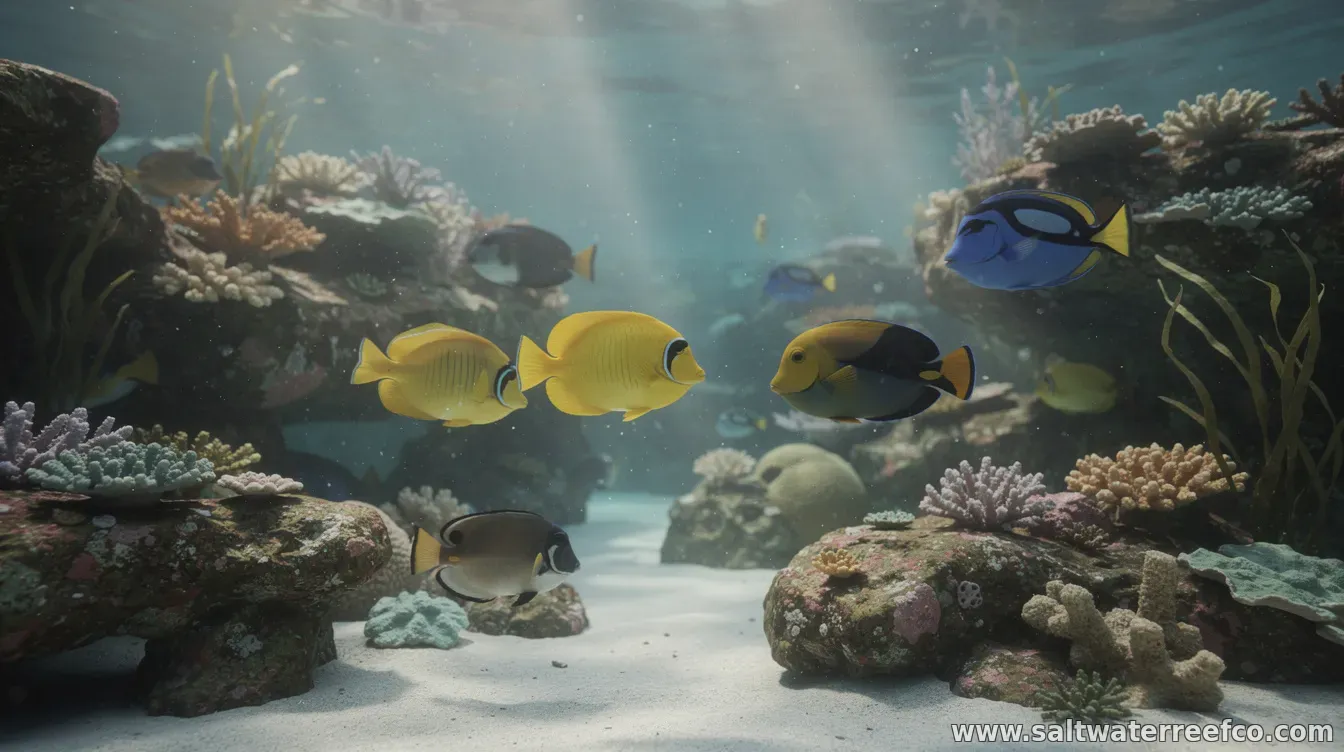
Tangs and surgeonfish (family Acanthuridae) are among the most recognizable reef fish—often seen cruising rockwork while grazing algae. Their beauty comes with real husbandry requirements: many are fast, territorial, and highly dependent on consistent food and water quality. This guide outlines how to care for common tangs, what they need to thrive, and which tankmates are usually compatible. Key takeaway: successful tang-keeping is less about “feeding once a day” and more about long-term tank space, stable water, and managing aggression as they grow. Which tangs and surgeonfish to considerCommon aquarium choices include bristletooth tangs (e.g., Ctenochaetus spp.), the popular yellow tang ( Zebrasoma flavescens ), and sailfin/whitetail forms (often Zebrasoma species). Other aquarists keep surgeonfish like the powder blue tang ( Acanthurus leucosternon ) and various Acanthurus species—though these can be more challenging due to sensitivity to stress. Before purchasing, match the species to your system’s maturity and footprint. “Small” tanks often fail not immediately, but over months as oxygen demand, waste load, and territorial pressure rise. Tank setup and space requirementsMost tangs need strong swimming room and stable filtration. Plan for an aquascape that provides open cruising lanes plus grazing surfaces. Rockwork should be established (not freshly cycled and barren), because tangs often prefer to graze naturally rather than rely entirely on prepared foods. While exact volumes vary by species and adult size, a good rule is to avoid impulse buys of “juvenile-sized” fish. A tang that fits today may outgrow the space quickly and become stressed or aggressive as it matures. Water quality: what matters mostTangs are sensitive to fluctuating parameters and poor water chemistry. Consistency typically beats frequent tinkering: maintain reliable salinity, temperature, and strong mechanical + biological filtration. Many keepers also prioritize efficient protein skimming and good flow to support oxygenation and waste removal. Stress from unstable water can show up as appetite loss and increased susceptibility to disease, especially when new fish are introduced. Diet and feeding: grazing plus varietyIn the wild, many surgeonfish spend large portions of the day grazing algae and biofilm. In aquariums, owners usually combine algae-based foods with high-quality marine staples. Common staples include nori sheets, dried seaweed blends, and herbivore-focused pellets or flakes; many tanks also benefit from occasional enrichment such as spirulina-based foods. Feeding strategy matters: offer small, consistent portions and observe whether the fish actively grazes rather than aggressively “snatching” food. Overfeeding can foul water—so use behavior as your guide and keep a tight schedule. For bristletooth tangs ( Ctenochaetus), many aquarists report success emphasizing fine-grained grazing options and biofilm-rich rock, since these fish often forage differently than large “sheet” grazers. Health watchlist: stress, ich, and injuriesOne of the biggest practical challenges is that tangs can arrive stressed, and new tank transitions can trigger outbreaks. The most common concerns include parasitic infections (often described by hobbyists as ich), skin irritation from rough handling, and fin damage from tankmate conflict. To reduce risk, quarantine new tangs when possible and avoid rushing introductions into fully settled territories. If aggression spikes, it’s often better to re-plan tankmates or use temporary restructuring (without causing further stress) rather than waiting for the weakest fish to “adjust.” Compatibility: tankmates that usually workCompatibility depends heavily on whether your tang is the aggressor and how your tank establishes territory. In general, calm, non-fin-nipping fish are better candidates than species known for persistent chasing. Many aquarists have success keeping tangs with robust reef fish that occupy different niches—swimming in open water versus clinging to rock crevices. That said, surgeonfish can be territorial, especially once they reach adulthood. If you’re planning multiple tangs, consider their species and growth patterns carefully and be prepared for management if skirmishes escalate.
Common compatibility mistakesAvoid underestimating tank size, because tang aggression is strongly linked to restricted space. Another frequent issue is adding new fish after territories are fully formed—this can trigger immediate chasing, even with “compatible” species on paper. Finally, don’t rely solely on short-term behavior. Some fish calm down after acclimation, but tangs may still escalate as they settle into their new routines—particularly around feeding time. Tangs and surgeonfish reward good planning: mature rock, stable water, algae-forward feeding, and thoughtful tankmate choices. If you prioritize those basics, you can significantly improve both health outcomes and long-term harmony. For best results, research adult sizes, quarantine when feasible, and introduce fish with a clear compatibility strategy rather than trial-and-error after purchase. | |
|
| |
Next & Previous posts