0:33 AM Mandarinfish (Dragonets): Why They’re Hard to Keep | |
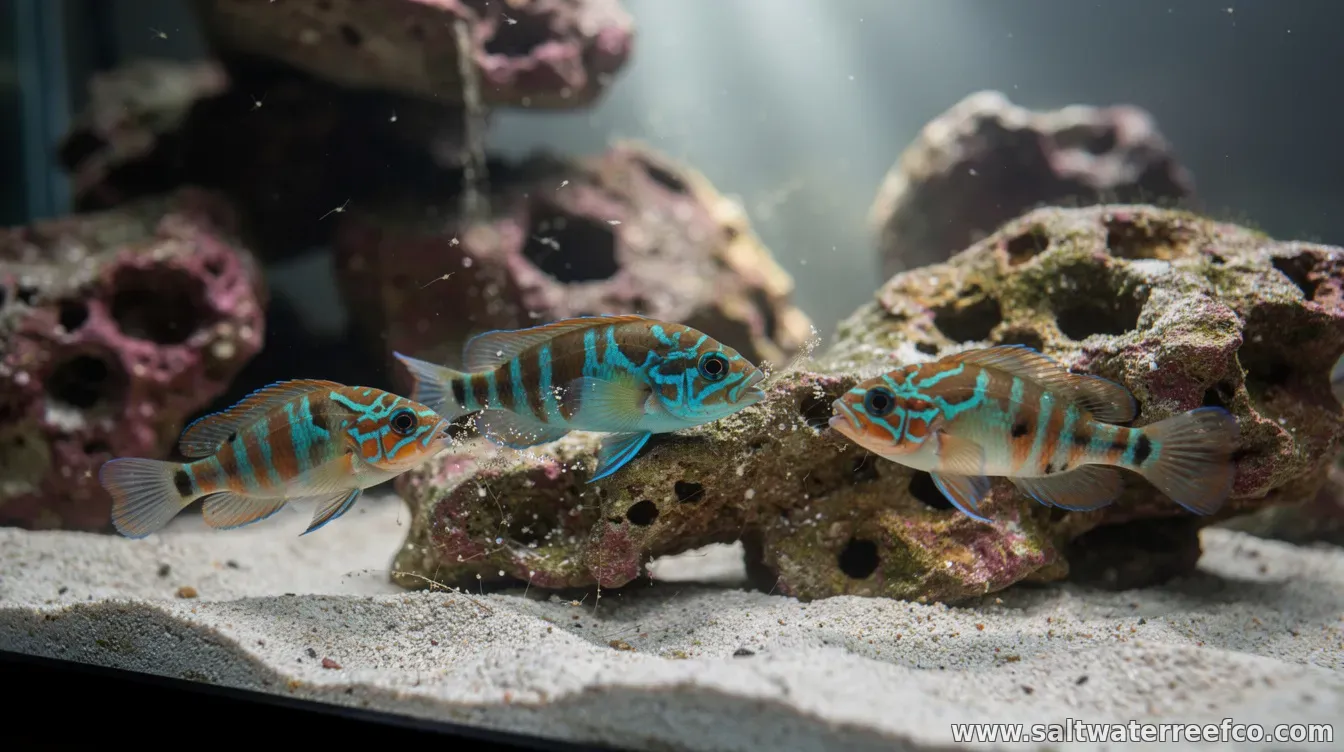
Mandarinfish, often sold under the name “dragonets,” are among the most sought-after small reef fish for home aquariums. They’re also notoriously difficult to keep long-term. The reason isn’t usually aggression or water-quality intolerance—it’s feeding. In the wild, mandarinfish graze on tiny prey items throughout the day, especially copepods and other micro-crustaceans found naturally in the reef ecosystem. In a glass tank, that food web doesn’t automatically exist, and many mandarins won’t readily switch to prepared diets. Why mandarinfish are challengingFirst, their diet is highly specialized. Most mandarinfish are adapted to continuously hunt small live organisms. Second, many fish in pet trade are collected or raised in ways that can make the transition to frozen foods or pellets slow, stressful, or inconsistent. Even with good water parameters, a mandarin that can’t find enough suitable prey will gradually lose condition. Third, competition matters. Tankmates that also feed on the same microfauna (or that quickly consume any alternative foods) can reduce what the mandarin actually gets. Finally, mandarinfish can appear “fine” at first—then decline months later if the aquarium never built (or cannot maintain) a steady supply of appropriate prey. How to feed mandarinfish successfullyFeeding strategy should start with prey availability. If your goal is to support long-term grazing, many aquarists rely on establishing a mature refugium or live rock system that can naturally grow copepods. Tank age and biological diversity are practical indicators here: a newly set up aquarium often cannot produce enough microfauna to sustain a mandarin. When natural prey is insufficient, targeted feeding becomes important. Many keepers offer live brine shrimp (for short-term introduction), copepods cultured specifically for aquarium use, or carefully introduced frozen foods when the fish is already comfortable. The key is persistence and monitoring: mandarins may take time to recognize new foods, and not all individuals adapt.
Some aquarists use feeding dishes or targeted delivery methods (for example, placing food where the mandarin can repeatedly find it) to increase intake. If you’re transitioning from live prey to prepared foods, consider starting with foods that mimic movement and size and pairing introductions with the fish’s active hunting periods. Practical signs you’re getting it rightA healthy mandarin typically shows steady interest in feeding, maintains a consistent body profile, and continues to forage throughout the day rather than relying on a single feeding window. If the fish repeatedly ignores offered foods and becomes noticeably thinner, you may need to increase microfood supply, adjust tank stocking, or revisit the approach to food training. Mandarinfish can thrive in home reef systems, but success usually comes from treating feeding as an ongoing system—not a one-time purchase of “dragonet food.” With mature prey availability, appropriate portioning, and careful monitoring, you can give mandarins the consistent nutrition they require. | |
|
| |
Next & Previous posts