1:08 AM How to Move a Reef Tank Without Losing Everything | |
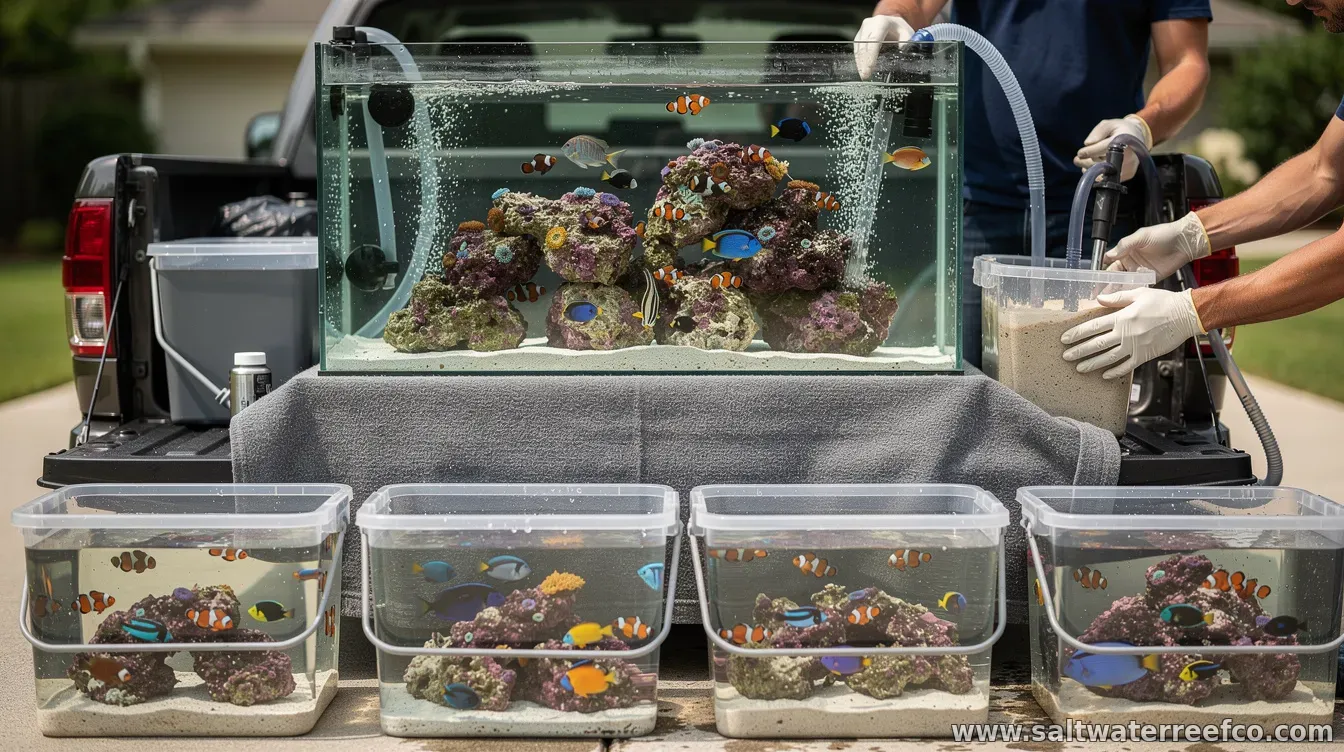
Moving a reef tank is one of the most stressful events for marine life—because even small swings in temperature, salinity, ammonia, or oxygenation can quickly cascade into losses. The good news: with careful preparation and the right logistics, you can relocate a reef system while preserving beneficial bacteria, corals, and fish. Below is a field-tested approach focused on minimizing time out of stable water conditions, preventing temperature shock, and protecting your biological filtration so the tank doesn’t crash. 1) Plan the move around biology and temperatureBefore you touch a single valve, decide your move window and staging setup. Aim to complete the physical transfer (tank water closed off, livestock moved, tank set in place) as quickly as possible, ideally within a few hours. Temperature is the silent killer during reef moves, so plan to keep replacement and transport water within a narrow range of your tank’s current temperature. Also plan for power availability at the new location. Heaters, powerheads, and air pumps should be ready to go immediately so oxygen levels and circulation are maintained. 2) Prep supplies: water, containers, heating, and oxygenSuccessful reef moves rely on having enough properly mixed saltwater and enough large, stable containers. You generally want to transport fish and corals in separate, dedicated buckets or tubs with strong aeration. For many systems, this means:
Do a “dry run” at the old and new location to confirm you have space, access for moving equipment, and a clear path for carrying heavy tanks safely. 3) Save the most valuable part: live rock and biological filtrationYour live rock (and the surfaces in your sump or filter media) hold the beneficial bacteria that process waste. The goal is to keep this biological life wet, oxygenated, and as close to tank conditions as possible. When removing rock, avoid prolonged exposure to air and avoid using fresh tap water to rinse anything. If possible, move live rock with tank water and keep it circulating in holding containers. If you have a sump or refugium, treat its media similarly—keep it hydrated and oxygenated rather than letting it sit dry. 4) Transfer day workflow: reduce time, move in the right orderOn moving day, efficiency matters. A common approach is to remove and relocate livestock first, while keeping the biological filtration alive and stable. One workable order is: livestock (fish first, then corals and invertebrates) → sensitive cleanup crew → live rock/biological media → remaining sand/water. During transport, keep water parameters stable. Don’t “refresh” or dilute with unknown temperature water. Maintain temperature with submersible heaters (or insulated containers if the move is short) and keep aeration running continuously for transport tubs. Corals should be handled gently, supported securely, and kept out of direct airflow. Plan containers so that light and temperature exposure remain limited during the move. If you’re moving across town, consider how long each item is out of stable water conditions and build your route around minimizing that time. 5) Rebuild and stabilize: circulate, monitor, then feed lightlyOnce the tank is in its final position, refill with your saved biological water where possible and add fresh saltwater only if needed to reach correct volume. Start circulation and filtration immediately, and ensure heaters and powerheads are functioning properly. Then monitor water chemistry closely. In the first days after a move, watch ammonia, nitrite, nitrate, salinity, and temperature. Even with the best planning, some stress can occur—especially if aeration, heating, or oxygenation was imperfect. If ammonia or nitrite rises, react quickly using appropriate reef-safe interventions. Feeding should be conservative at first. Overfeeding during recovery can overload the nitrifying bacteria you’re trying to re-establish. Many successful moves follow a “light feed, observe, adjust” approach for the first week or two. Finally, consider long-term stability: check for leaks, verify that skimmer and filtration are performing as expected, and allow time for the system to settle before making large changes to lighting schedule, flow patterns, or dosing routines. With temperature control, protected biological media, continuous oxygenation during transport, and careful post-move monitoring, you can dramatically improve your chances of moving a reef tank without losing everything. | |
|
| |
Next & Previous posts