2:09 AM Why Professional Aquarium Maintenance Beats DIY Long-Term | |
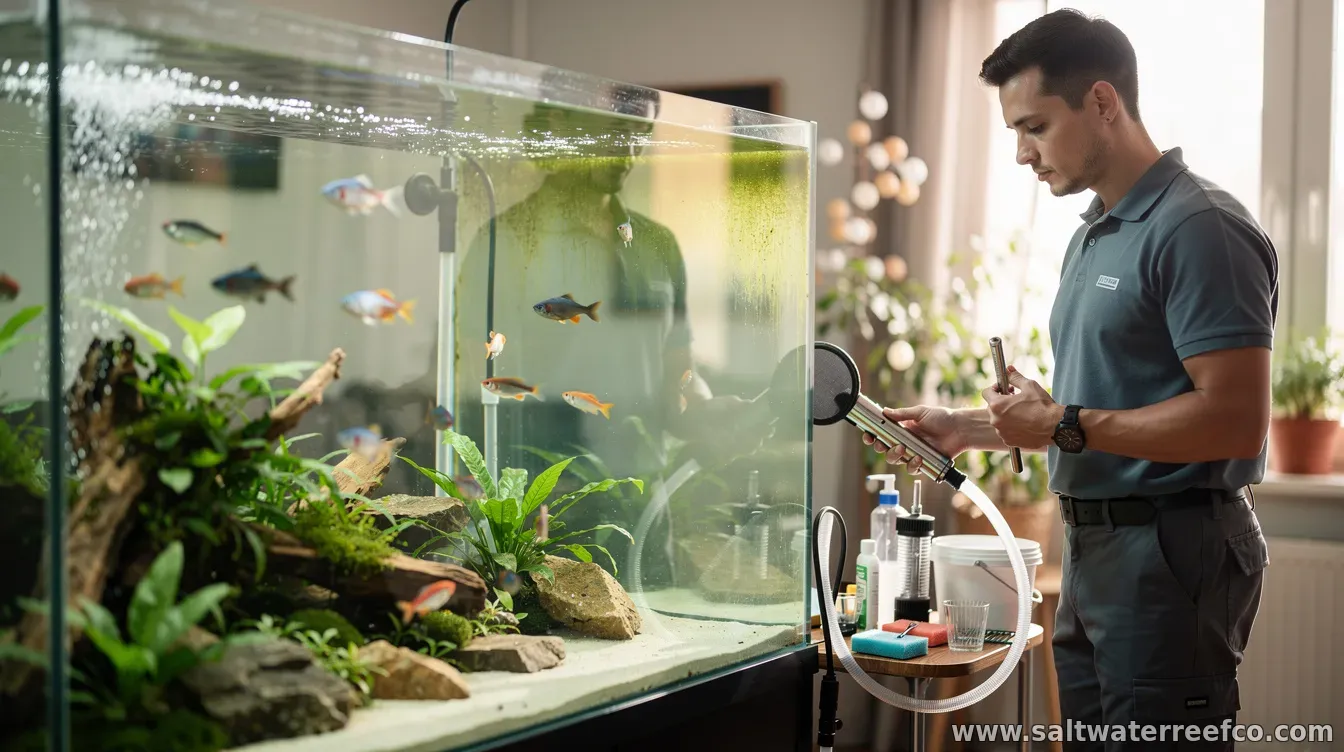
Keeping an aquarium healthy is less about occasional cleaning and more about consistent, precise water management. While DIY maintenance can look cheaper on paper, long-term outcomes frequently favor professional aquarium maintenance—especially for households with sensitive species, larger tanks, or established ecosystems that depend on stable parameters. Small errors compound fast in closed water systems. In a typical DIY routine, it’s easy to miss gradual changes in temperature, nitrate, phosphate, or salinity. Even when a tank “looks fine,” subtle imbalances can trigger stress responses in fish, algae blooms, or the slow decline of beneficial bacteria that support biological filtration. Professionals prevent problems before they escalateRoutine professional service is designed around measurement and pattern recognition, not guesswork. Trained technicians use proper testing protocols and maintain filtration hardware, pumps, heaters, and filtration media to keep performance consistent. That approach reduces the likelihood of sudden water-quality crashes, clogged equipment, or recurring algae issues that often follow inconsistent DIY schedules. Because aquarium health is heavily parameter-driven, catching deviations early can mean the difference between a minor adjustment and a full reset. For many owners, that prevention value is where the real “long-term savings” comes from. Long-term stability protects livestock and equipmentProfessional maintenance supports stable beneficial bacteria colonies by following best practices for cleaning frequency and media handling. DIY mistakes—like rinsing filter media in tap water, over-cleaning, or changing media too aggressively—can temporarily remove the very bacteria that convert harmful waste products. In addition, technicians can identify wear and tear on components before they fail. A heater that’s running slightly off-target or a return pump losing efficiency may not be obvious to an owner, but these issues can raise stress levels and increase the risk of loss over time. DIY can be cheaper short-term—but not alwaysDIY maintenance typically involves water testing supplies, replacement parts, dosing products, buckets/siphons, and your time. Costs climb when DIY leads to repeat attempts to fix the same problem—like persistent algae, fluctuating pH, or recurring cloudy water. Professionals reduce trial-and-error by using established maintenance plans tailored to the tank’s bioload and filtration setup. For higher-end setups—saltwater tanks, reef systems, planted tanks with CO2 demands, or aquariums with larger livestock loads—specialized knowledge often matters even more. The more complex the system, the easier it is for small DIY deviations to create costly downstream effects. Peace of mind and faster recovery when something goes wrongEven with perfect routines, aquariums can face unexpected challenges. With professional support, troubleshooting is more systematic and faster: technicians can run targeted tests, review recent maintenance history, and recommend a focused correction plan rather than broad, potentially destabilizing changes. That speed matters for minimizing stress windows for fish and reducing the risk of cascading failures—like equipment malfunctions combined with water-chemistry swings. The bottom line: DIY can work for some owners and some setups, particularly simpler systems with stable species and regular monitoring. But when you account for prevention, equipment longevity, and the hidden costs of repeated DIY troubleshooting, professional aquarium maintenance often delivers better results over the long term. | |
|
| |
Next & Previous posts