2:22 AM Cyano (Red Slime) Algae: What It Is and How to Beat It | |
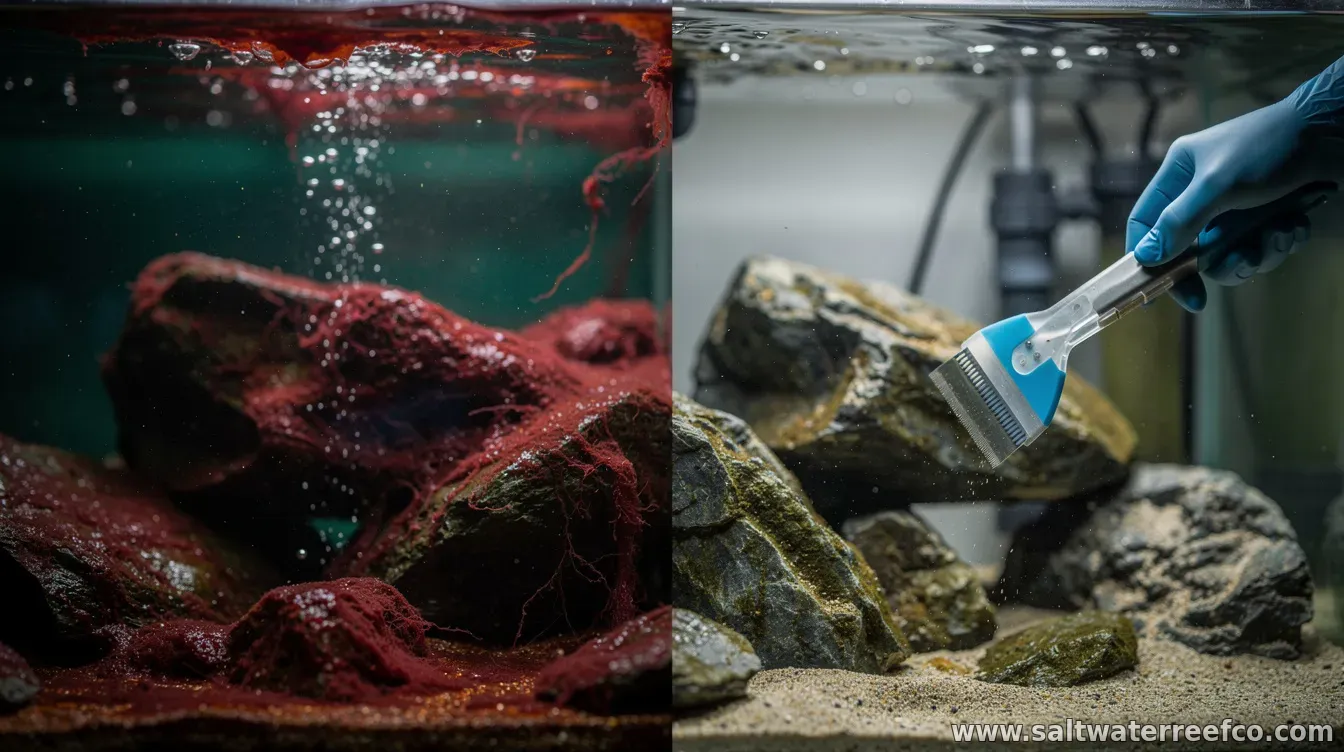
Cyano, commonly nicknamed “red slime algae,” is one of the most frustrating problems in aquariums. It appears as a reddish-brown, slick, sometimes stringy film or mat that can coat rocks, sand, and plant leaves. Although many hobbyists call it algae, cyano is cyanobacteria—a bacteria-like organism that behaves like an algae bloom. Because cyano grows fast when conditions favor it, treating it effectively usually means addressing tank imbalances rather than relying on quick “spot fixes.” The good news: once you correct the underlying drivers—especially flow, nutrient balance, and light cycles—cyano often fades and stays gone. What cyano (red slime) algae isCyano is a prokaryotic organism that forms slimy colonies. In many tanks, it shows up after changes such as new tank cycling, altered lighting schedules, overfeeding, filter maintenance gaps, or periods of low water movement. It can thrive on a range of nutrients, but it commonly accelerates when the aquarium has zones of stagnant water and when the overall system is stressed or unstable. Visually, cyano often looks “wet” or greasy compared with typical dry, fluffy algae. In some setups it can trap detritus and reduce oxygen exchange at the substrate surface—making it both an aesthetic and water-quality concern. Common causes that let it take overCyano blooms usually reflect a tank ecosystem imbalance. Several factors are repeatedly linked to red slime outbreaks:
In plant tanks, it may also be connected to nutrient dosing mismatches—such as adding nutrients inconsistently or having plants that aren’t outcompeting the bloom due to slower growth or damaged roots. How to beat cyano: a practical action planThe most reliable approach is a combination of physical removal, water-quality stabilization, and correcting the tank conditions that cyano exploits. 1) Remove what you can, carefully. During regular maintenance, gently siphon or scrape visible cyano (especially on hardscape and sand edges). Avoid stirring up excessive detritus into the water column. Siphoning reduces the immediate nutrient “pool” cyano can keep feeding on. 2) Improve circulation. Add or adjust powerheads/flow directions so water moves across the substrate and around rocks. The goal is to eliminate dead spots where cyano forms a persistent mat. 3) Tune nutrients and feeding. Feed lightly and only what fish can consume quickly. Consider whether you’re unintentionally overfeeding, and review your substrate cleaning routine. If the tank is receiving too much dissolved nutrient input without balanced uptake, cyano can rebound even after it’s removed. 4) Review light schedule and intensity. Reduce the photoperiod temporarily to help starve the bloom. For many tanks, dialing back to a moderate duration (and avoiding sudden increases) helps. If you rely on high-intensity lighting, consider lowering intensity or shortening the day while the tank stabilizes. 5) Run consistent, targeted maintenance. Keep up with partial water changes and use test results to guide adjustments. Many cyano cases improve when the system is returned to predictable routines: stable temperatures, consistent water-change volume, and careful filter/flow management. When “chemicals” come up (and what to consider)Some products marketed for “algae” may not address cyanobacteria effectively, and others can stress beneficial microbes or plants. If you use any treatment, choose one designed for cyanobacteria/algal film and follow the label carefully, especially in planted tanks where dosing can impact plant health. Be cautious with frequent, repeated dosing of broad-spectrum chemicals. Cyano is often a symptom; without correcting flow, light, and nutrient balance, the problem can return quickly. Prevention: keep cyano from coming backAfter the bloom clears, focus on long-term stability. Maintain steady feeding, avoid lingering detritus, and ensure strong circulation in previously dead zones. Keep your lighting routine consistent and don’t make large parameter swings without monitoring. Finally, watch for early signs—small patches that reappear in the same low-flow areas. Early intervention (manual removal plus quick adjustments to flow or schedule) is usually far more effective than waiting for a full outbreak. Cyano can feel like a cycle that never ends, but most successful recoveries come from correcting the conditions that let it dominate. With targeted cleanup, improved water movement, and consistent nutrient and light management, you can beat red slime and keep your aquarium looking healthy. | |
|
| |
Next & Previous posts