0:51 AM Hair Algae Outbreak: Prevention and What to Do | |
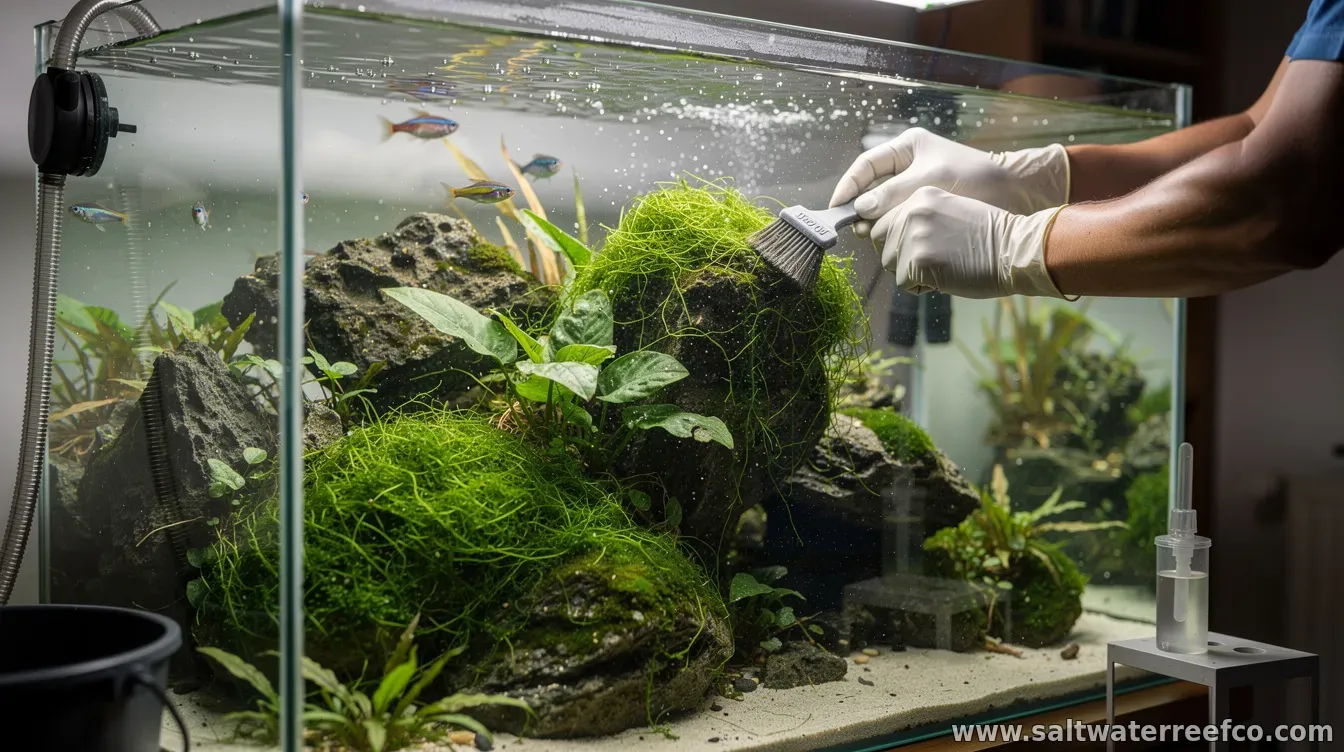
So-called “hair algae outbreaks” have become a growing online topic, with people linking visible buildup or scalp irritation to algae or similar microorganisms. While algae itself is not a common medical diagnosis term, health professionals emphasize that the real issue is often an imbalance of moisture, poor drying habits, and transfer of microbes through brushes, hats, or damp environments. In most cases, the situation is preventable. The recommended approach focuses on hygiene, drying routines, and appropriate scalp care—especially for people who spend time in humid conditions or share grooming tools. Why it happensAlgae thrives in wet, sunlit environments, but on hair and scalps the situation is usually more complex. What people describe as “algae” can also be mineral deposits, product residue, or biofilm-like buildup where dampness allows microorganisms to persist. Factors such as staying in wet hair after swimming, not fully drying after showers, using heavy styling products, or wearing non-breathable headwear can increase the likelihood of buildup. Sharing items can accelerate spread. Comb-through contact with brushes, hair ties, helmets, or hats may transfer residue and microorganisms from one person’s scalp to another—particularly when the items remain damp or are not cleaned regularly. Prevention: reduce moisture and contaminationSpecialists recommend a prevention-first routine that targets the conditions microorganisms need: moisture and time.
“Cure” approach: start with gentle, evidence-based scalp careIf you notice unusual greenish, slimy, or sticky buildup on hair or scalp, begin with a careful cleansing routine rather than harsh, repetitive scrubbing. Overwashing without proper technique can worsen irritation. A practical first step is to wash with a well-formulated shampoo and thoroughly rinse. If the scalp is oily or flaky, consider a product intended for that specific concern, and follow the label instructions. For people who swim often, rinsing hair with clean water soon after water exposure and drying promptly can reduce buildup. Because “algae” descriptions can overlap with other scalp conditions, it’s important not to assume a cause. Persistent itching, burning, increasing redness, painful sores, patchy hair loss, or significant swelling are signs to stop self-treatment and consult a clinician or dermatologist. When to seek medical helpSeek professional evaluation if symptoms last more than a couple of weeks despite improved hygiene, or sooner if discomfort is significant. Dermatologists can differentiate between microbial causes, inflammatory conditions such as seborrheic dermatitis, contact irritation, or folliculitis—each of which may require a different treatment plan. For families, classrooms, gyms, or salon settings where multiple people are affected, staff should also review sanitation practices for communal tools and ensure items are properly dried and disinfected between uses. The bottom line: the best “cure” is prevention—keeping hair and scalp dry, minimizing shared-contact transfer, and addressing residue with appropriate cleansing. If the problem appears to be spreading or is accompanied by inflammation, professional guidance is the safest next step. | |
|
| |
Next & Previous posts