0:39 AM Medical Office Aquariums Linked to Calmer Patient Care | |
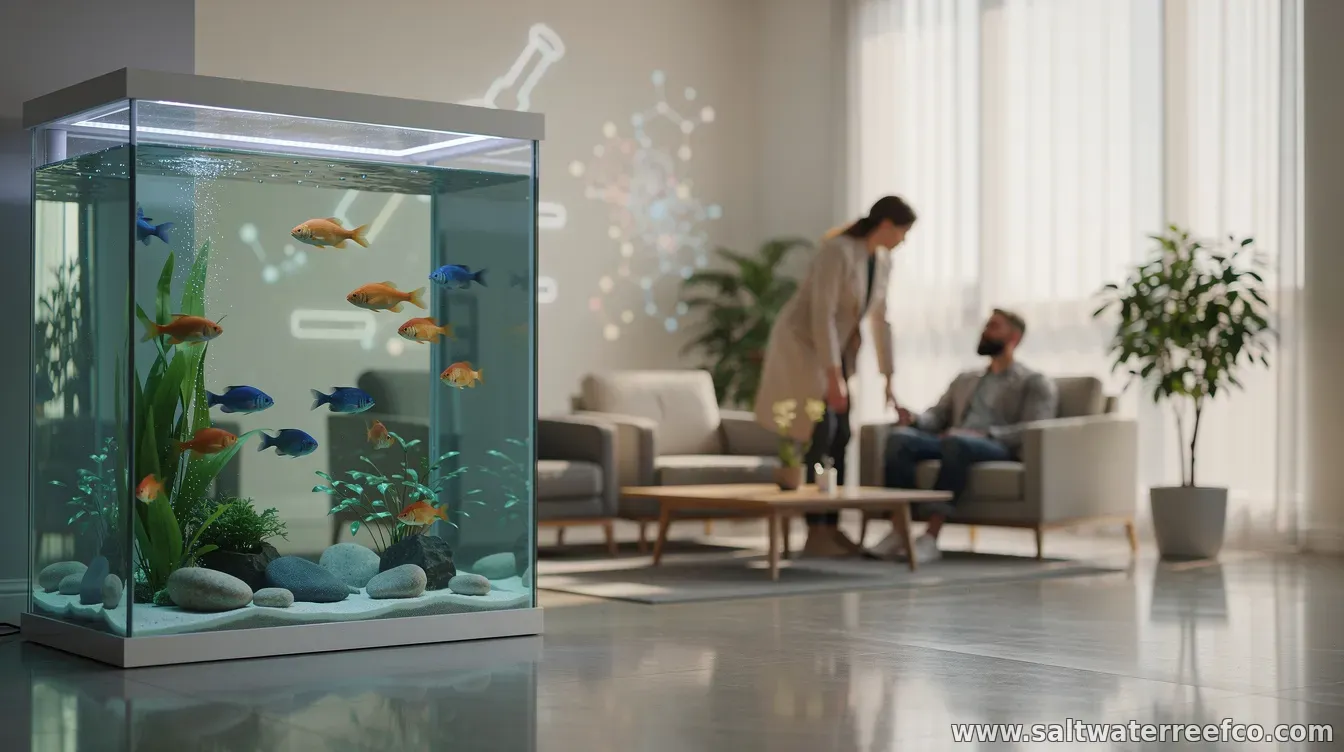
Hospitals and clinics have long experimented with ways to make visits less stressful. One approach that keeps resurfacing in research is the use of aquariums—often displayed in waiting rooms or lobbies—designed to provide calming, attention-shifting visual stimulation. Across multiple studies on “environmental distraction” and stress reduction in healthcare, aquarium-like imagery and live nature scenes have been associated with lower self-reported anxiety, reduced perceived pain, and improved mood. The exact magnitude of benefit differs from trial to trial, but the overall direction is consistent: calmer environments can help patients cope. What the research suggestsResearchers generally frame aquarium effects through a few well-established mechanisms. First, viewing gentle motion—such as fish swimming—can support “attentional restoration,” helping people shift away from ruminative thoughts about symptoms. Second, calming stimuli may reduce physiological and psychological stress responses, which can influence comfort and pain perception. In several healthcare contexts, including studies involving waiting areas and clinical procedures, exposure to visually calming natural elements has been linked to better patient-reported outcomes. Some studies focus on live displays, while others examine curated images or controlled “nature” interventions; together, they strengthen the case that the effect is not purely anecdotal. Why aquariums may work in medical officesMedical offices have built-in stressors: uncertainty, discomfort, and time pressure. An aquarium can work as a low-demand distraction that is easy to access without requiring patients to learn new coping skills. Unlike highly interactive activities, aquariums offer an “always available” stimulus—patients can look when they’re ready and disengage when they prefer. There’s also a practical benefit for staff and workflow. Aesthetic improvements in lobbies and waiting rooms can contribute to a more welcoming atmosphere, which may reduce complaints about delays and help patients feel that the visit environment is supportive. What to consider before installing oneFor clinics considering an aquarium, experts emphasize that it should supplement—not replace—care protocols. The goal is to enhance the environment while maintaining hygiene and safety standards. Facilities should plan for routine maintenance, water quality monitoring, and appropriate placement to avoid trip hazards or glare that could distract staff. Because not all patients respond the same way, clinics may also consider accessibility and choice. For example, placing the aquarium so it’s visible but not overwhelming, and ensuring there are other calming options (quiet seating, natural light, or low-stimulation design) can help accommodate different preferences and medical needs. Overall, the evidence base supports the idea that calming environmental design—including aquariums—can be a simple, low-cost enhancement to patient experience. As healthcare organizations keep searching for nonpharmacologic ways to reduce stress, aquariums remain a promising option worth evaluating in context. | |
|
| |
Next & Previous posts