1:07 AM ICP Water Testing Explained: Why Your Reef Needs It | |
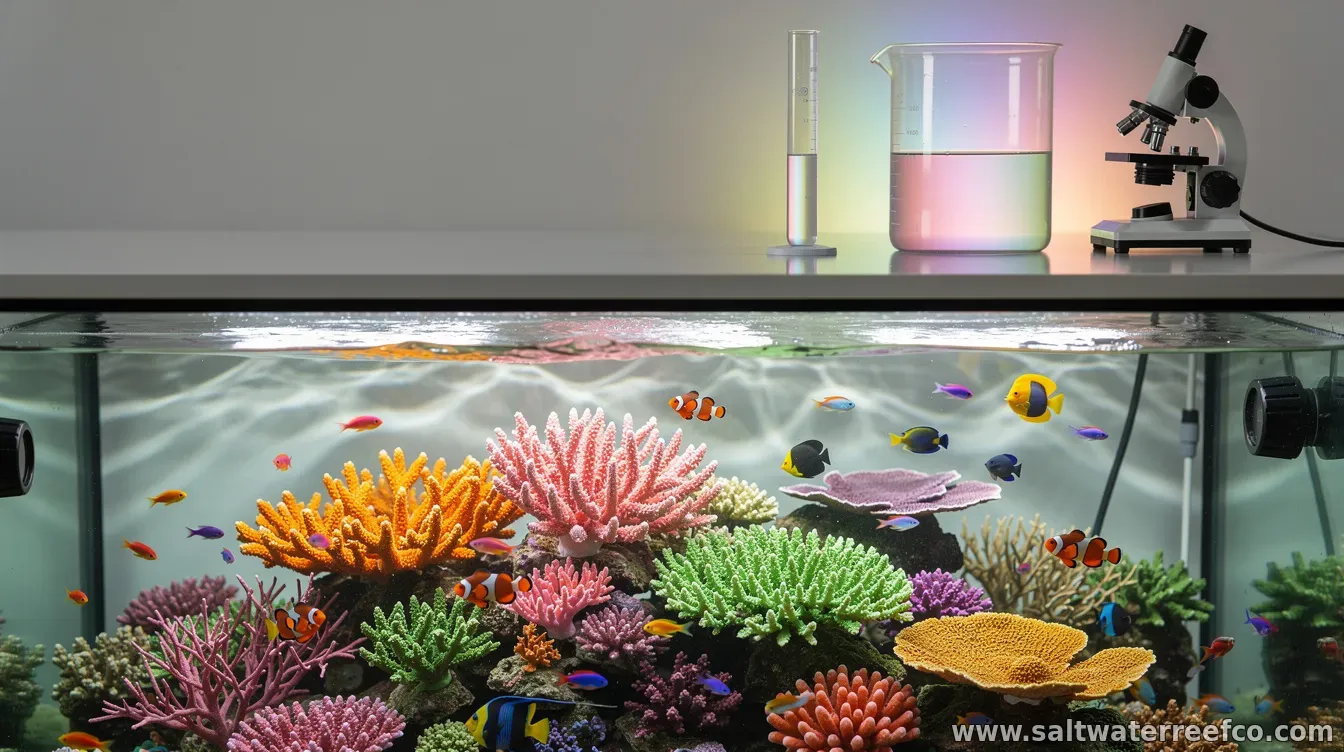
Reef aquariums can look “stable” on the surface while still drifting in the background—especially when it comes to trace elements and contaminants that regular test kits don’t detect. That’s where ICP water testing comes in: it’s a high-sensitivity lab analysis designed to spot both shortages and excesses, giving hobbyists a clearer picture of what their water is actually carrying. What ICP testing measuresUnlike hobby test kits that typically focus on a small set of parameters (like nitrate, phosphate, alkalinity, calcium, and salinity), ICP testing screens for a broader range of elements. In many ICP reports, you’ll see results for major ions, trace metals, and other compounds that can accumulate over time—from salt mix variability and equipment corrosion to residue from supplements and filtration media. Most importantly for reef keepers, ICP is built to detect patterns: elements that are steadily rising, showing up inconsistently, or sitting far from recommended ranges. Those trends can explain why certain symptoms keep recurring even when core water parameters appear “fine.” Why your reef may need it (even if everything seems okay)Coral health often depends on the balance of many inputs. A reef can run normal pH, temperature, and salinity while still experiencing subtle imbalances—such as elevated metals or suppressed trace nutrients—that contribute to tissue recession, slower growth, poor coloration, or nuisance algae. ICP testing is especially useful when you notice one of the following:
How to use ICP results the right wayICP reports are most valuable when you treat them as a diagnostic tool, not a one-time fix. The goal is to identify what’s out of range and decide on the smallest, safest adjustment that addresses the root cause. For example, if a report flags a metal elevated above typical targets, the best next step may be removing a suspected source (such as certain media, corroding equipment, or contaminated additives) rather than immediately “chasing numbers” with heavy dosing. Many hobbyists compare ICP results against their own tank history—then follow a measured plan: stabilize core parameters first, adjust trace supplementation conservatively, and retest after changes have time to propagate through the system. What to expect from turnaround time and costBecause ICP testing is lab-based, it generally takes longer than instant kit testing. You’ll provide a fresh water sample in a specified container, ship it to the lab, and receive a detailed report afterward. Costs vary by provider, but the practical value comes from making informed decisions that prevent recurring setbacks. For many reef keepers, ICP becomes a periodic check—often after major changes (new salt batch, equipment replacement, new supplementation routine) or when a persistent problem needs clearer answers. Best practices before you submit a sampleSample handling matters because reef water chemistry can shift quickly. Follow the lab’s instructions closely, including how and where to collect the sample and how to store or transport it. If you consistently test at the same time relative to feeding and dosing, your results will be easier to compare across multiple rounds. Finally, remember that ICP is not a guarantee that every issue has a single trace-element cause. Biology is complex—light, flow, and nutrient balance still matter. ICP helps you rule out or confirm water chemistry drivers so you can focus on the adjustments most likely to improve outcomes. For reef keepers who want a more precise understanding of what their tank is absorbing and accumulating over time, ICP water testing offers a practical, data-driven way to support coral stability—turning “guesswork” into a clearer plan. | |
|
| |
Next & Previous posts