2:24 PM ICP Testing: What the Numbers Mean for Your Reef | |
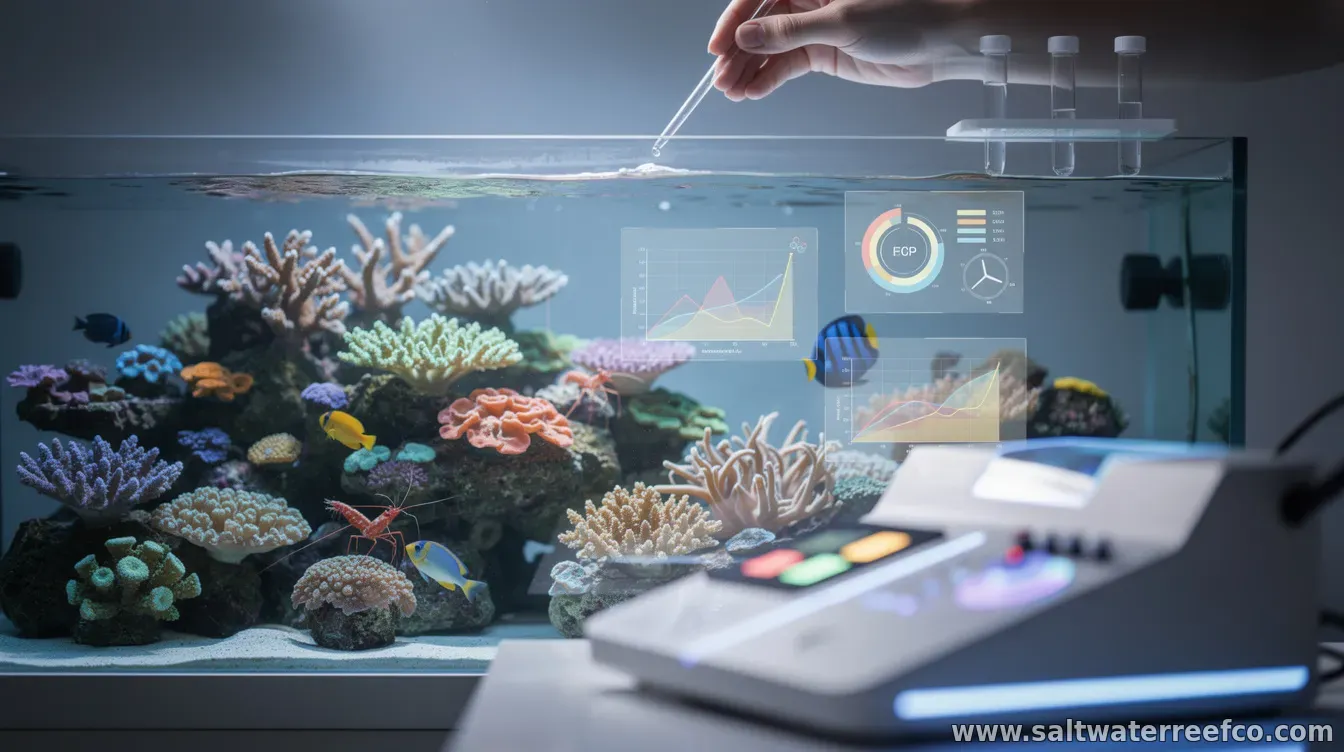
ICP testing has become a go-to tool for reefkeepers who want more than “it looks okay” before making adjustments. Instead of relying solely on hobby test kits that often miss many elements, an ICP-OES report measures trace metals and other dissolved components that can accumulate over time. But the real value of ICP testing isn’t just having numbers—it’s understanding what they commonly mean in a reef system, how to avoid overreacting to single tests, and how to decide which findings actually matter for your animals. Start with context: ICP is a snapshot, not a diagnosisICP results reflect what’s in your water at the moment the sample was taken. That means the “right” interpretation depends on your tank’s baseline (what your values look like when things are stable), your husbandry routine, and recent changes—such as new salt mix batches, dosing schedule tweaks, fresh carbon/GFO use, new media, or equipment replacements. If possible, compare today’s report to your previous report from the same lab and under similar conditions. A single elevated or low element is more informative when you see it trending over multiple tests. Macronutrient check: ICP doesn’t replace core reef testsMost ICP reports focus on trace and metals, but reef health is still heavily governed by parameters you’ll typically measure separately. Before acting on metals or trace elements, confirm your basics: alkalinity, salinity/specific gravity, calcium, magnesium, nitrate, phosphate, and temperature. A tank with unstable alkalinity or elevated nutrients can show symptoms that ICP trace changes won’t explain. ICP can still help—especially in tanks where livestock is struggling despite “good” results from standard kits. In those cases, trace imbalances or contamination can be a hidden driver. Common ICP elements and what elevated numbers can suggestWhile each report uses its own units and reference ranges, many hobbyists focus on a handful of frequently discussed categories. Elevated readings can indicate inputs from salt mix impurities, contaminated supplements or containers, corroding equipment, or trace contamination introduced by new rock/sand or resins. Iron (Fe): Often associated with food, rust/corrosion, and some salt mixes. In reef tanks, consistently high iron can contribute to nuisance algae or drive imbalances—though iron isn’t always the direct cause of algal blooms by itself. Aluminum (Al): Can come from tap water, certain filter media, or contaminated media and products. Aluminum is generally undesirable in reef systems, and trends matter—especially if you’ve recently changed filtration or use tap water sources. Tin (Sn), Copper (Cu), Zinc (Zn), Nickel (Ni): These metals are common “red flag” elements. Elevated levels may signal equipment corrosion, plumbing issues, or contamination from additives. Copper, in particular, is toxic to invertebrates, so higher values usually merit prompt investigation and a containment/verification plan. Phosphorus (P) and other non-metal indicators: Some ICP vendors provide measurable phosphorus and sometimes silicon or other species. These can be useful for corroborating phosphate behavior, but they should generally be compared with your regular phosphate testing approach (and the lab’s method) before you change dosing. What low or “undetectable” numbers can meanLow values on ICP can be both normal and actionable. Many tanks don’t run every trace element at the same concentration, and “undetectable” often depends on the lab’s detection limits. The more important question is whether your tank’s livestock is stable and whether the element is a known limiter in your system. As a rule, avoid chasing zero to “perfect” numbers. Instead, use ICP to identify clear deviations, then consider targeted corrections—like improving water source quality, adjusting dosing, or refining filtration—before adding broad trace blends. How to interpret numbers safely: watch for trends and avoid double-dosingOne of the biggest mistakes reefkeepers make is acting on ICP results by adding multiple products at once. If you dose a trace supplement while also changing salt brand, GFO/carbon, or water-change volume, you may never know which change caused improvement or decline. A safer workflow is to choose one variable at a time:
When elevated metals are detected: practical next stepsNot every elevated metal requires immediate drastic action, but higher-risk elements—especially copper or multiple metals trending upward—should be treated seriously. The goal is to stop the input, remove what you can, and verify that conditions improve without destabilizing your system. Typical actions reefkeepers consider include improving RO/DI monitoring (TDS and filter life), inspecting equipment for corrosion (pumps, heaters, plumbing), and reviewing whether any products contact the water line (test reagents, dosing tubing, reservoirs, or salt mixing containers). Some hobbyists also reassess filtration media like carbon (for organics and some trace carriers) and chelation or resins depending on the lab guidance and the element of concern. Importantly, any correction plan should include a follow-up test after the system has had time to mix and stabilize—often weeks rather than days—so you can see whether the change actually moved the numbers in the right direction. Retesting: how often should you run ICP?For many established reef tanks, ICP testing is most useful as a periodic check or after meaningful changes. A common approach is to test after major husbandry shifts (new salt mix, new dosing regime, new filtration setup) or when symptoms appear without an obvious explanation. If you’re actively correcting an issue identified by ICP, retesting on a schedule that matches your correction timeline helps prevent guesswork. Over-testing can become expensive and tempt rapid, repeated dosing adjustments. Under-testing can delay the detection of contamination sources. The optimal cadence is the one that supports clear decisions: baseline, trigger, correction, verification. ICP testing turns mystery problems into measurable clues. Used thoughtfully—paired with routine water chemistry tests and a trend-based mindset—those numbers can help you keep trace elements in a range that supports long-term reef stability. | |
|
| |
Next & Previous posts