3:28 AM Nitrogen Cycle Explained: Why New Aquariums Crash | |
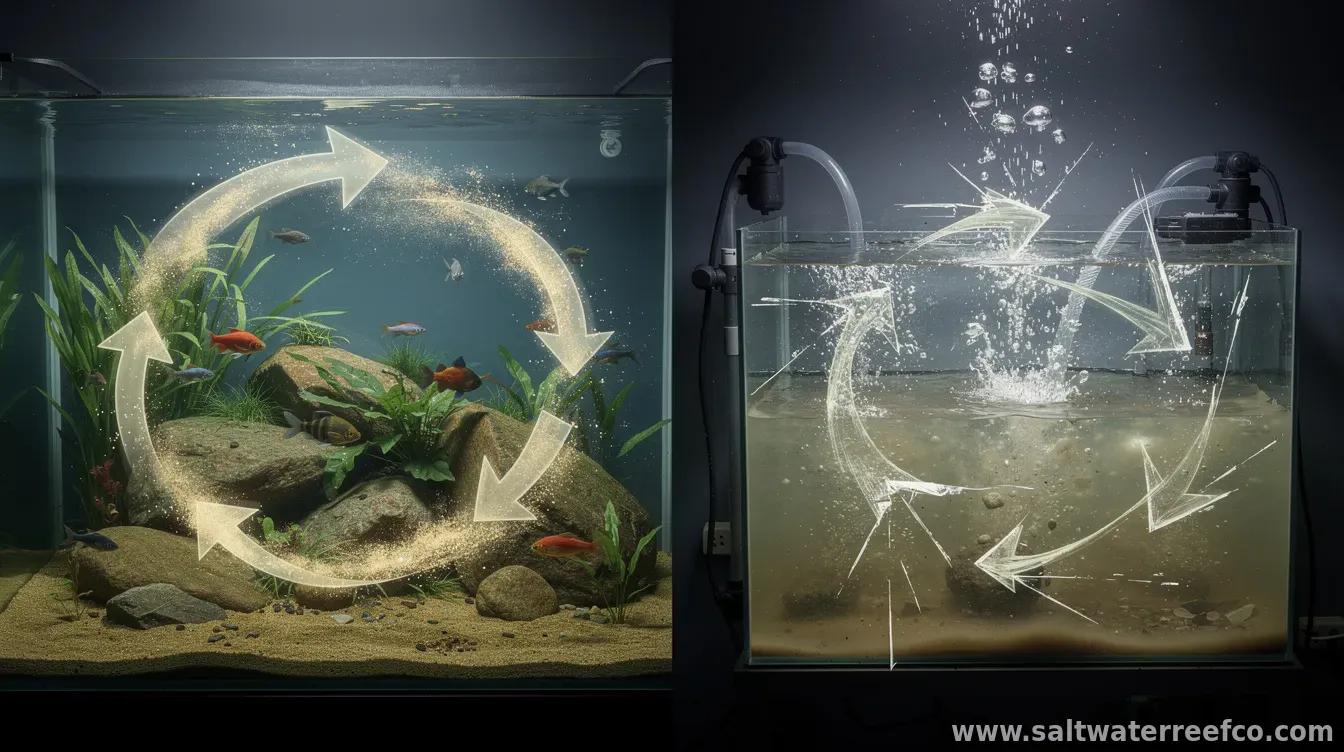
When a brand-new aquarium suddenly turns cloudy, smell changes, or fish gasp near the surface, the cause is almost always a nitrogen cycle problem. The nitrogen cycle is the biological process that converts toxic ammonia produced by fish waste into less harmful forms—eventually ending with relatively safer nitrate. In a mature tank, helpful bacteria are already established. In a new tank, they’re not. Until they grow in sufficient numbers, ammonia and nitrite can spike quickly, stressing or killing fish even when the tank “looks fine” at first. What starts the cycle: ammonia from everyday wasteIn aquariums, fish excrete waste, uneaten food decomposes, and decaying plant matter breaks down. All of that releases ammonia (NH3/NH4+) into the water. Ammonia is the first dangerous compound in the sequence, and it can rise rapidly—often within days—especially if fish are added early. Step two: nitrite spikes when bacteria are missingThe next stage relies on a specific group of bacteria that converts ammonia into nitrite (NO2−). This step is crucial because nitrite is also toxic. If the tank is newly set up, nitrite-testing may show a climb after ammonia begins falling. That pattern often indicates the tank has started cycling, but the bacterial population still isn’t sufficient to keep up. Step three: nitrate forms when the tank is truly “cycled”Finally, another group of bacteria converts nitrite into nitrate (NO3−). Nitrate is far less harmful than ammonia and nitrite, but it still accumulates over time. Most aquariums control nitrate through regular water changes, plant uptake, and filtration maintenance. For many keepers, a “complete” cycle is confirmed when ammonia and nitrite drop to near-zero while nitrate becomes detectable and remains stable. However, tanks can still crash if fish are added faster than bacteria can grow. Why new tanks crash: speed, overfeeding, and premature stockingSeveral common factors make new-tank cycles fail:
In short, the nitrogen cycle can be “in progress,” but if ammonia and nitrite production outpace bacterial growth, toxic levels return faster than you can stabilize them. Signs you’re in the early cycle (and what they mean)Cloudiness, test swings, and fish stress often happen during cycling. Cloudy water may result from bacterial blooms, while water test results typically reveal the real story. If ammonia or nitrite remains measurable and doesn’t trend down, the tank is not yet processing waste at the rate it’s being produced. Fish may show stress through rapid breathing, hovering near the surface, or reduced activity. While these symptoms can have other causes, in new tanks they frequently align with ammonia or nitrite toxicity. How to prevent crashes: slow the cycle and verify with testingThe most reliable prevention is to manage waste generation and confirm progress using water tests. Rather than relying on guesses, keepers typically aim to ensure that ammonia and nitrite are repeatedly processed down as the cycle develops. Common harm-reduction steps include adding fish gradually, avoiding excessive feeding, using appropriate filter media (and not disrupting it), and performing timely water changes if ammonia or nitrite spikes. Some aquarists also seed beneficial bacteria via established media, which can shorten the time before the tank can process waste. In a well-run cycle, the aquarium transitions from an unstable chemistry system to a biologically buffered one—where the microbial community can handle daily waste without toxic accumulation. For many new tank owners, the takeaway is simple: a “new” aquarium isn’t biologically mature yet. If you understand the nitrogen cycle—and match stocking and feeding to what the tank can safely process—you greatly reduce the likelihood of a sudden crash. | |
|
| |
Next & Previous posts