1:14 AM How to Prep a Reef Tank Before Vacation | |
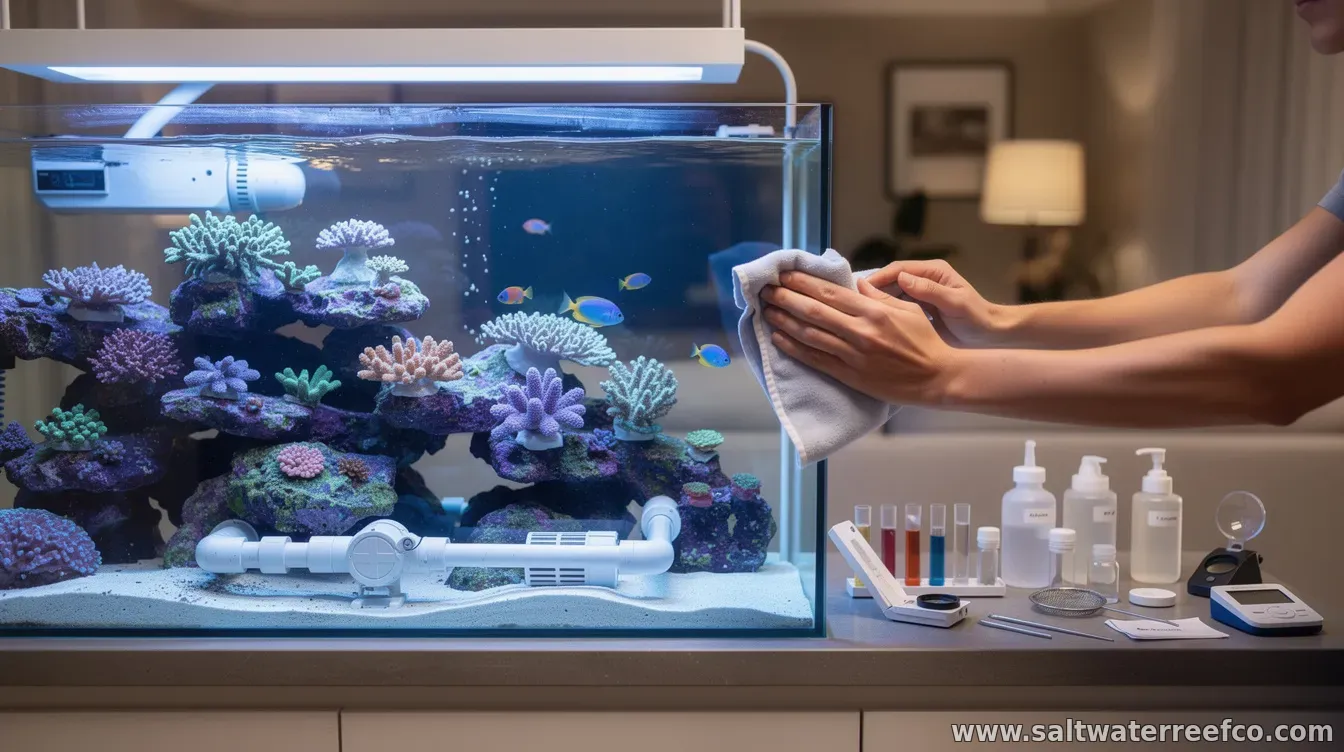
Vacation planning usually starts with packing lists and reservations—but for reef keepers, the most important checklist item is tank stability. Corals and fish depend on consistent temperature, clean water, and predictable feeding, so the goal before you leave is to remove avoidable swings and set up a system that can run with minimal intervention. 1) Confirm water quality and stability 2) Lock in temperature and power reliabilityTemperature swings are among the fastest ways to stress reef livestock. Ensure heaters are functioning correctly, verify the chiller (if used), and confirm your tank’s location minimizes exposure to heat/cold drafts. If you have access to one, a controller and an alarm can add peace of mind. Also inspect cables, power strips, and wavemakers to reduce the chance of a last-minute failure while you’re away. 3) Set up feeding for the time you’ll be goneMany reef tanks do best when feeding is consistent, but not excessive. Before leaving, decide on whether your livestock will be fed by: A controlled auto-feeder (commonly for specific fish or prepared foods), an aquarium sitter following a written plan, or low/adjusted feeding if your tank can handle the interval. Overfeeding is a common vacation mistake because it can drive nutrient spikes and algae issues, which then cascade into water quality problems. If you rely on a sitter, prepare pre-measured food portions and written instructions (including what to feed, how much, and what to skip). Consider the fish’s temperament and whether certain species may outcompete others during feeding. For coral-feeding regimes (like target feeding certain species), plan separately—corals often respond better to predictable, moderate dosing than to sudden changes. 4) Plan maintenance that won’t require mid-vacation work 5) Use the right “leaving aids” (and avoid risky DIY) 6) Put together a sitter handoff that’s easy to follow Finally, do a “departure day check” the morning you leave. Confirm temperature readings, ensure the skimmer cup is positioned correctly, and verify that all equipment is running. If possible, take a baseline video of flow and lighting routines so a sitter can compare before/after behavior. With stable parameters, reliable temperature control, and a conservative feeding plan, most reef tanks can handle a vacation window smoothly. The best results come from preparation done early enough for adjustments—so your system remains steady when you’re not there to react. | |
|
| |
Next & Previous posts