1:15 AM Why Quarantine Matters: Protecting Your Tank from Disease |
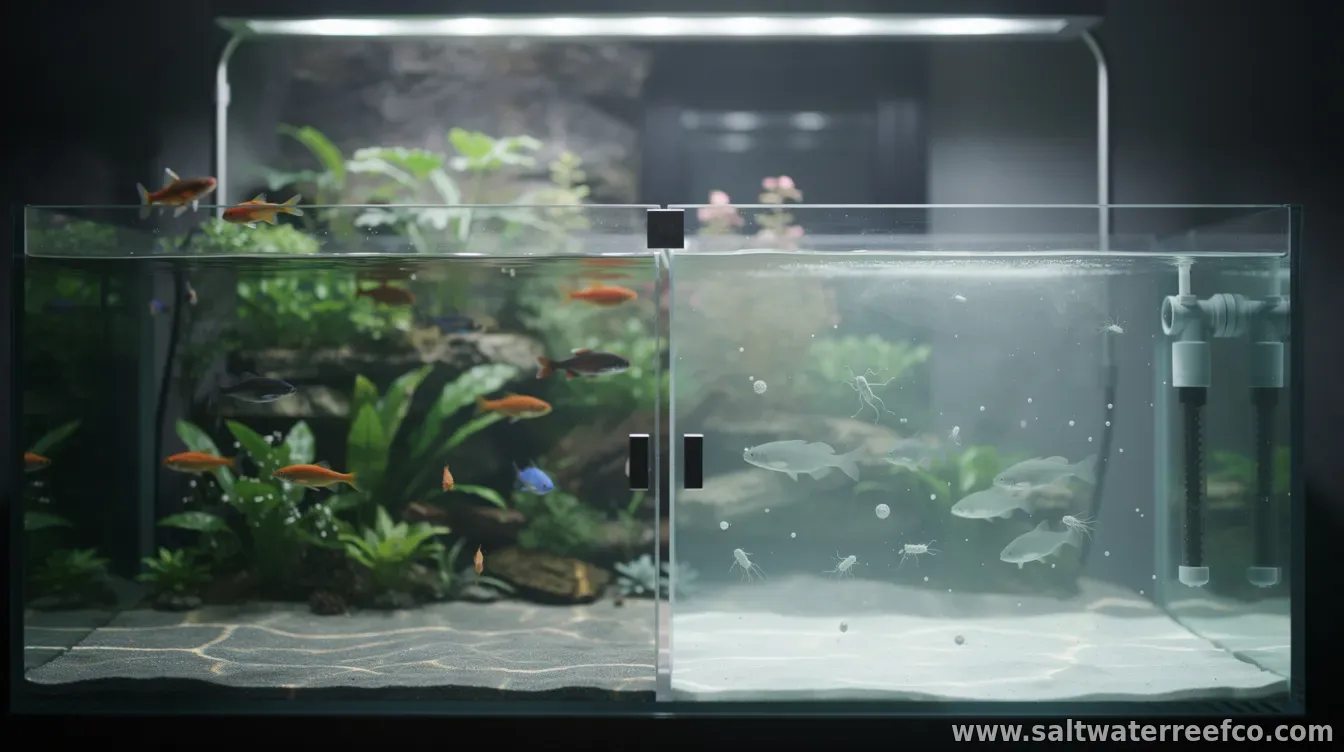
Adding new life to an aquarium is one of the most exciting parts of the hobby—but it’s also a common point of disease introduction. Even healthy-looking fish can carry parasites or pathogens that may not show symptoms for days or weeks. Quarantine is the step that breaks that chain, giving you time to observe and treat problems before they reach your main display tank. Many outbreaks begin with a single unnoticed hitchhiker. For example, parasites such as ich and flukes, bacterial infections, and the disease-causing organisms responsible for fin and skin issues can enter through new fish. Quarantine helps ensure that if something is wrong, you catch it while the impact is still limited to a separate tank. How quarantine protects your main tankQuarantine works because it separates the “unknown” from the “known.” Instead of introducing new animals directly into your established aquarium—where established fish may have no resistance—you keep them in a controlled space long enough to confirm their condition. This reduces the chance that you’ll be dealing with a full-tank outbreak later. It also protects your ecosystem. When disease spreads, aquarists often respond by raising temperatures, using medications, or making disruptive water changes. Those actions can stress sensitive species and can even harm beneficial bacteria if handled too aggressively. With quarantine, you’re more likely to contain problems and avoid unnecessary upheaval in your display tank. What to quarantine (and for how long)A quarantine routine should cover more than just fish. Plants, invertebrates, and even items like nets, hoses, and decor can transport pathogens or parasites. If you want the process to be truly protective, treat any “new addition” as a potential carrier—especially if it comes from another system. As a general guideline, many hobbyists quarantine new fish for several weeks. The exact duration can vary depending on the species, local conditions, and what you’re observing. A longer observation period increases the odds of catching delayed symptoms before they spread. Observing signs earlyOne of the biggest benefits of quarantine is the ability to look closely. During this period, you can watch for early warning signs such as clamped fins, spots or visible growths, abnormal breathing, flashing (rubbing against surfaces), cloudy eyes, lethargy, or refused feeding. Early detection matters because some issues worsen quickly—or become harder to treat if you wait until they’re obvious across the tank. Quarantine also helps you monitor feeding and behavior in a stress-free setting. Many fish show symptoms only after they’ve adjusted to a new environment, so observation is essential—even when the fish appear fine at first. Keeping quarantine simple and effectiveYou don’t need a complicated setup, but you do need consistency. Use a separate tank with appropriate filtration and the ability to match water parameters to the needs of the species. Keep quarantine equipment dedicated—separate nets, siphons, and towels—so you don’t accidentally transfer organisms between systems. Maintaining good water quality is crucial during quarantine. Poor conditions can weaken fish and make them more susceptible to disease, creating problems that are difficult to interpret. Feeding should be measured, and waste should be managed to keep ammonia and nitrite at safe levels. Quarantine isn’t just about treatment—it’s about prevention. By separating new arrivals, observing carefully, and maintaining stable conditions, you give your aquarium a better chance to stay healthy and avoid stressful, expensive outbreaks. |
|
|
Next & Previous posts