0:55 AM Signs Your Aquarium Needs Professional Attention |
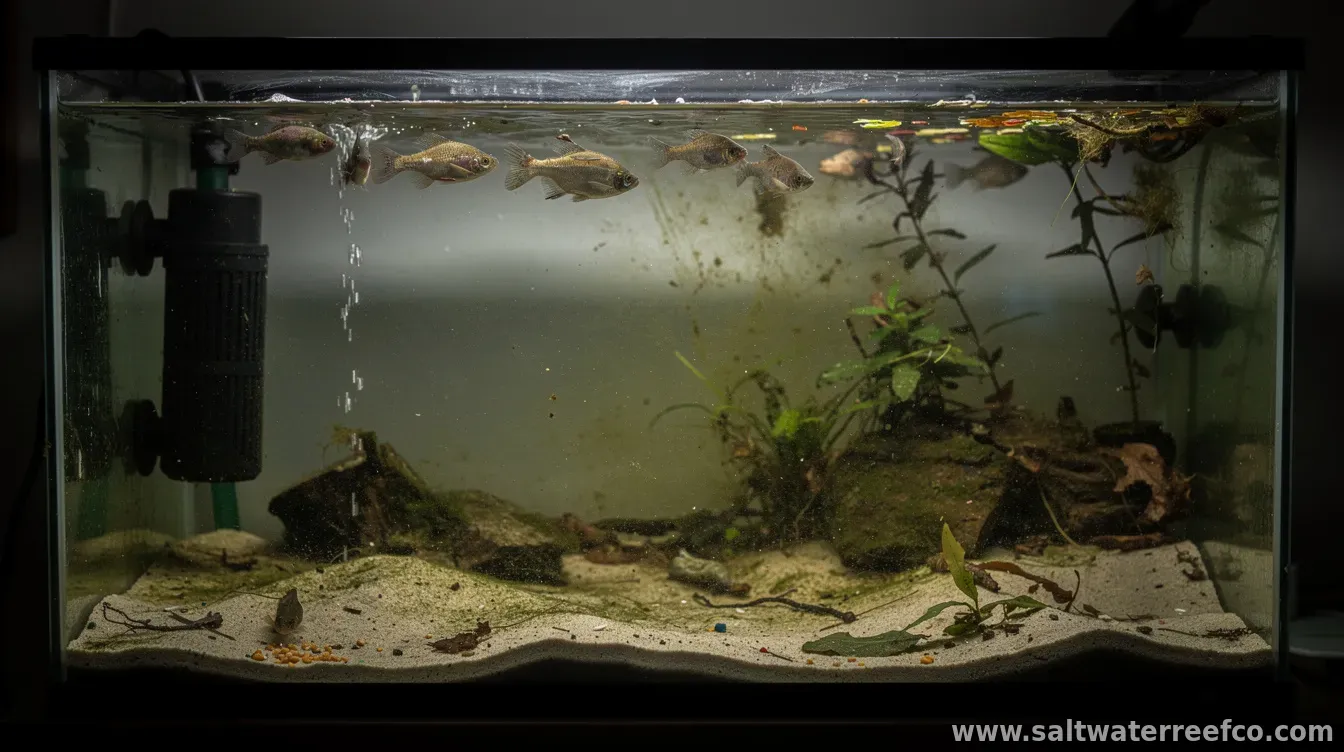
Healthy aquariums rely on stable water parameters, reliable equipment, and predictable care routines. But when problems keep returning—or worsen despite troubleshooting—it can signal a deeper issue that’s difficult to diagnose without specialized testing, experience, and onsite assessment. Below are common signs your aquarium needs professional attention, along with what a visit from an aquatic specialist typically helps confirm and fix. 1) Water quality problems that won’t stabilizeIf you’re repeatedly seeing cloudy water, frequent algae blooms, or sudden swings in ammonia, nitrite, or nitrate, the underlying cause may be more than routine maintenance. A professional can verify whether the tank is properly cycled, whether biological filtration is functioning, and whether contamination is coming from substrate, decorations, or feeding habits. 2) Fish behavior signals ongoing stressWatch for sustained changes such as gasping at the surface, clamped fins, rapid breathing, darting, lethargy, or fish hiding for prolonged periods. While these symptoms can come from water chemistry, they can also indicate disease, injury, or compatibility issues. A specialist can help distinguish between environmental stress and health conditions, and recommend targeted next steps. 3) Recurring illness or parasite concernsIf medications haven’t helped, symptoms come back quickly, or multiple fish are affected repeatedly, it may be time for an expert evaluation. Professionals can assess likely causes (including water quality drivers), review treatment history, and guide a more controlled, evidence-based approach to quarantine and recovery. 4) Equipment failures or inconsistent readingsWhen heaters overshoot, filters underperform, air pumps run weakly, or test results don’t match what you observe, the problem may be hardware, calibration, or system design. An aquarium pro can check for worn components, improper flow rates, clogged filtration, faulty thermostats, and temperature instability that may be invisible without proper instrumentation. Some issues—like biofilter breakdown, hidden leaks, or sensor drift—can be hard to spot through “standard” care routines. Professionals can also help confirm that the aquarium’s filtration, aeration, and circulation match the tank size and livestock load. 5) Unexplained die-offs or sudden crashesIf fish deaths occur quickly, especially after a seemingly minor change (new fish, feeding adjustment, water change schedule, or equipment replacement), the cause is often urgent. A specialist can rapidly investigate potential triggers such as temperature shock, chemical contamination, incorrect acclimation, or an ongoing parameter imbalance. In severe cases, time matters. Calling in professional support sooner can reduce stress during diagnosis and help prevent further losses while corrective actions are implemented. 6) Persistent algae that keeps returningOccasional algae is common, but repeated outbreaks—especially after cleaning, trimming, and routine water changes—often point to a nutrient or lighting imbalance. A professional can evaluate feeding patterns, nutrient sources, the tank’s light schedule, CO₂ or plant conditions (if applicable), and filtration performance to address the root cause rather than only the visible growth. After stabilization, algae typically becomes more manageable, and maintenance becomes predictable again. 7) You’re making many changes but results aren’t improvingWhen troubleshooting becomes a cycle—altering filters, changing substrates, switching products, or adjusting chemicals repeatedly—risk increases. Frequent interventions can stress fish and complicate diagnosis. An aquarium pro can consolidate information, assess what each change did, and create a clear plan to move the system toward stability with fewer trial-and-error steps. What to expect from professional help Most specialist visits focus on fast problem identification: confirming tank cycling and water chemistry, inspecting equipment and flow, reviewing stocking and feeding, evaluating plant or substrate contributions, and—when necessary—guiding disease or parasite management. Many professionals also provide a maintenance roadmap to help you prevent recurrence. If you suspect your aquarium needs professional attention, start by documenting key details: recent water test results, tank size, filtration and heater model(s), water-change schedule, recent livestock changes, and notable fish behavior. That context helps the specialist diagnose more efficiently and recommend the right solution. |
|
|
Next & Previous posts