1:04 AM Quarantine Protocols: Why a QT Tank Saves Your Display |
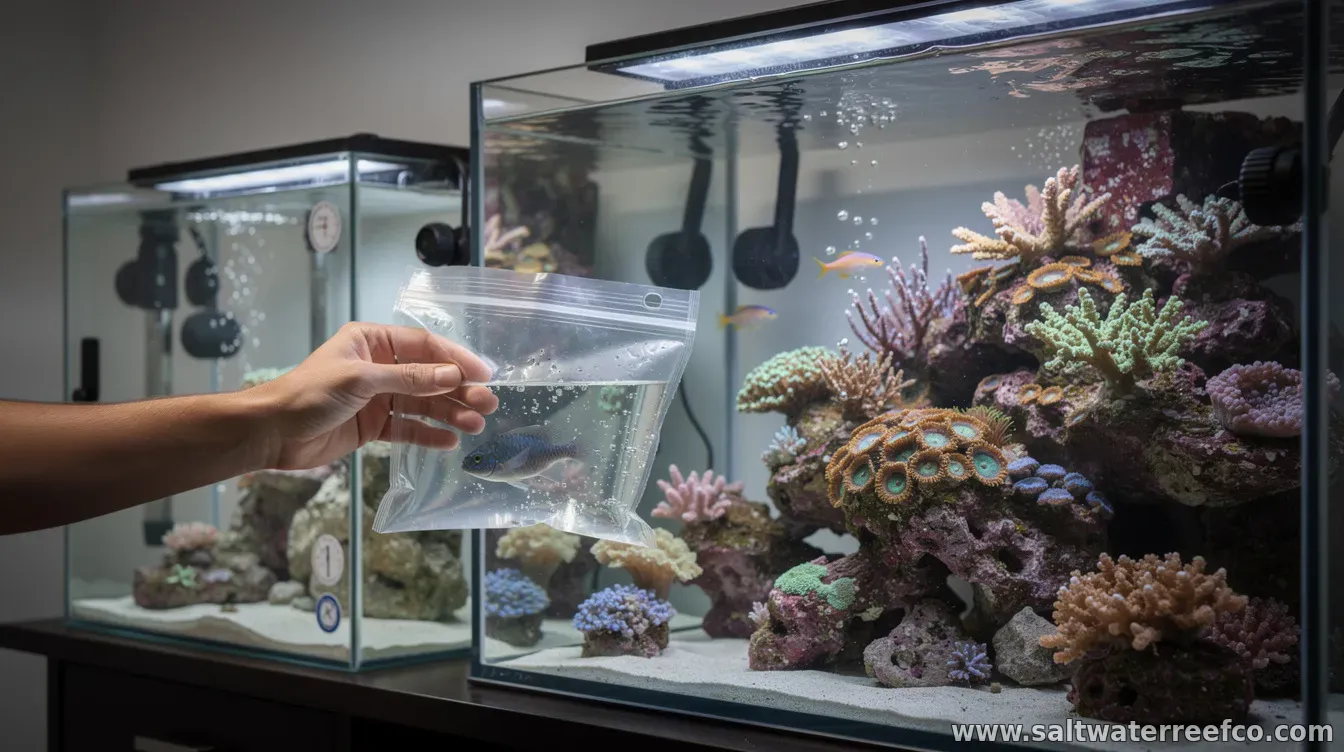
Bringing new fish, invertebrates, or live plants into an established aquarium can feel like the fun part—until something goes wrong. Many disease outbreaks start small: a minor change in behavior, a few visible spots, or subtle stress that’s easy to miss. A quarantine tank (often called a QT tank) is designed to catch those early warning signs before they reach your display. In practice, QT protocols create a buffer between “incoming” and “resident.” Instead of placing new arrivals directly into the main display, you temporarily house them in a separate tank where observation and treatment are possible without risking the health of the entire system. 1) It interrupts the most common path of diseaseMany parasites and pathogens hitchhike on new livestock. Even if a fish looks fine at the store—or even during transport—some symptoms don’t appear immediately. QT time gives you the opportunity to observe development stages and behavior changes that may otherwise go unnoticed until the display is already exposed. 2) It buys you time to identify symptoms earlyEarly detection matters. In a display tank, you typically can’t “isolate” sick fish without disrupting the whole ecosystem. A QT tank lets you spot issues such as abnormal breathing, flashing/scratching, clamped fins, loss of appetite, or visible lesions while the affected animal is still contained. That containment improves your chances of successful treatment and reduces the likelihood of broader spread. Just as important, QT provides a controlled environment for diagnosis. Temperature, water parameters, and feeding can be kept consistent, making it easier to tell whether a problem is worsening, improving, or simply stress-related. It also helps you avoid treating the display “blind,” which can be risky for beneficial organisms and sensitive species. 3) It lowers the odds of parasites becoming establishedSome diseases involve life cycles that require time to reveal. Without quarantine, you can inadvertently seed the display with organisms that later multiply and flare up. QT doesn’t guarantee zero risk, but it significantly reduces the chance that a hidden carrier becomes a source of infection for every tankmate. For hobbyists, that’s the real value: a QT tank turns uncertainty into a process. Instead of hoping a new arrival stays healthy, you run a structured check period where you can respond—before the display becomes the “testing ground.” Even when treatment is needed, the QT setup makes it more manageable. You can dose and adjust medications without exposing the rest of the tank’s inhabitants. In reef-style systems, this distinction can be especially critical because some treatments can negatively affect invertebrates and beneficial microbiology. How to make a QT tank part of your routineA QT tank works best when treated as a standard protocol, not an occasional step. Keep equipment dedicated to quarantine when possible (nets, siphons, heaters), and maintain clean, stable water conditions. Consider using a simple setup that’s easy to monitor—because the primary goal is observation and rapid response. When the quarantine period ends and the fish shows normal behavior, consistent feeding, and no visible signs of illness, you can move it to the display with far more confidence than “drop-in and hope.” Ultimately, quarantining isn’t just about protecting a single fish—it’s about safeguarding the stability you’ve worked to build. A QT tank turns disease prevention into an intentional habit, and that habit is one of the most effective tools hobbyists have to keep their displays thriving. |
|
|
Next & Previous posts