2:04 AM Jellyfish Aquariums: A Unique Alternative to Reef Tanks |
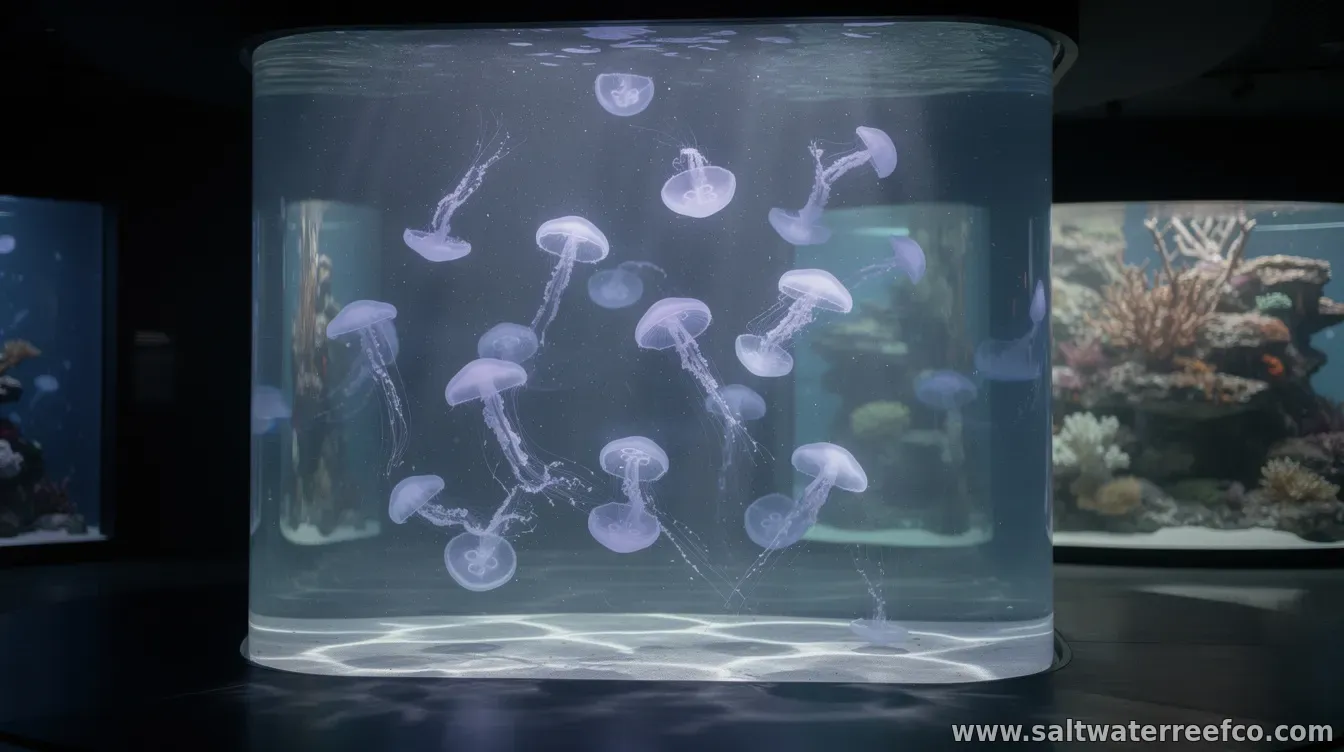
Jellyfish aquariums are gaining attention among marine hobbyists as a distinctive option to traditional reef tanks. Where reef displays emphasize corals, algae ecosystems, and bright, reef-building life, jellyfish exhibits center on movement, transparency, and carefully engineered water flow that keeps delicate animals safely suspended. For many keepers, the appeal is visual and practical: jellyfish can create an ethereal “floating” effect in viewing tanks, and the overall system can be simpler than building and maintaining a full reef. Still, these animals require specific conditions—especially around water quality and circulation—so the transition is not as simple as swapping one species for another. A different goal: calm viewing vs. reef biodiversityReef tanks are often designed to support a web of interactions between corals, microorganisms, and resident fish. Jellyfish tanks, by contrast, are typically built around one or a few gelatinous species, with less emphasis on creating a multi-organism reef habitat. That focus can make planning straightforward for hobbyists who want a single, themed display rather than a complex ecosystem. How jellyfish tanks work: gentle, circular flowThe key engineering principle behind many jellyfish aquariums is controlling water movement so the animals don’t get trapped on surfaces or shredded by strong currents. Specialized “low shear” circulation and tank geometry—often involving smooth, rounded internal surfaces and flow that keeps organisms suspended—reduce stress and help prevent accidental harm. This design difference also changes the way hobbyists think about filtration and tank cleanliness. Rather than relying on reef-style rock and reef organisms to process waste, many jellyfish systems lean more heavily on mechanical filtration and consistent water changes to maintain stable water chemistry. Maintenance trade-offs: fewer components, different routinesCompared with reef tanks, jellyfish aquariums can involve fewer visible components—often no live rock and no coral lighting demands. That said, they can still be labor-intensive, particularly for feeding and managing water quality. Jellyfish are typically sensitive to poor conditions, and uneaten food can quickly degrade water parameters. Hobbyists aiming to maintain jellyfish successfully often plan feeding schedules carefully, use appropriate food types and portion control, and monitor water chemistry frequently. In many cases, the maintenance burden shifts from coral care to vigilant filtration performance and consistent parameter tracking. Water quality is non-negotiableLike other marine systems, jellyfish aquariums depend on strong baseline filtration and stable chemistry. However, because jellyfish can be more sensitive to sudden changes, operators commonly prioritize gradual adjustments and reliable equipment. Temperature stability, salinity consistency, and careful management of nutrient buildup help reduce stress and support long-term health. Because these tanks often operate with a different biological “workflow” than reef systems, tank cycling and stocking decisions are crucial. Potential keepers are generally advised to avoid rushing the process—establishing water stability before adding animals is a core safety principle. Feeding and compatibility considerationsFeeding is a central part of jellyfish husbandry, and it’s closely tied to tank cleanliness. Many keepers select food options sized appropriately for the species and avoid overfeeding, which can lead to rapid declines in water quality. Some jellyfish species also have specific preferences, meaning that “generic marine feeding” isn’t always a safe assumption. Compatibility is another consideration. While some hobbyists keep one type of jellyfish in a dedicated setup, multi-species displays can introduce risks, including competition for food or differences in environmental needs. For beginners, single-species tanks are often the easiest way to manage expectations and reduce variables. Ultimately, jellyfish aquariums are best understood as specialized marine displays rather than simplified reef substitutes. With the right tank design, stable water conditions, and a commitment to careful routine care, they can offer a captivating alternative: a living, slow-moving spectacle that feels worlds away from bright coral lights. As interest grows, more aquarium suppliers and hobby platforms are developing resources tailored to gelatinous keepers—making it easier to learn the basics. For anyone considering the switch, the most important next step is to research the specific jellyfish species first, then build around its needs, rather than starting with equipment alone. |
|
|
Next & Previous posts