1:38 AM Reef Tank for Beginners: What to Know Before You Start |
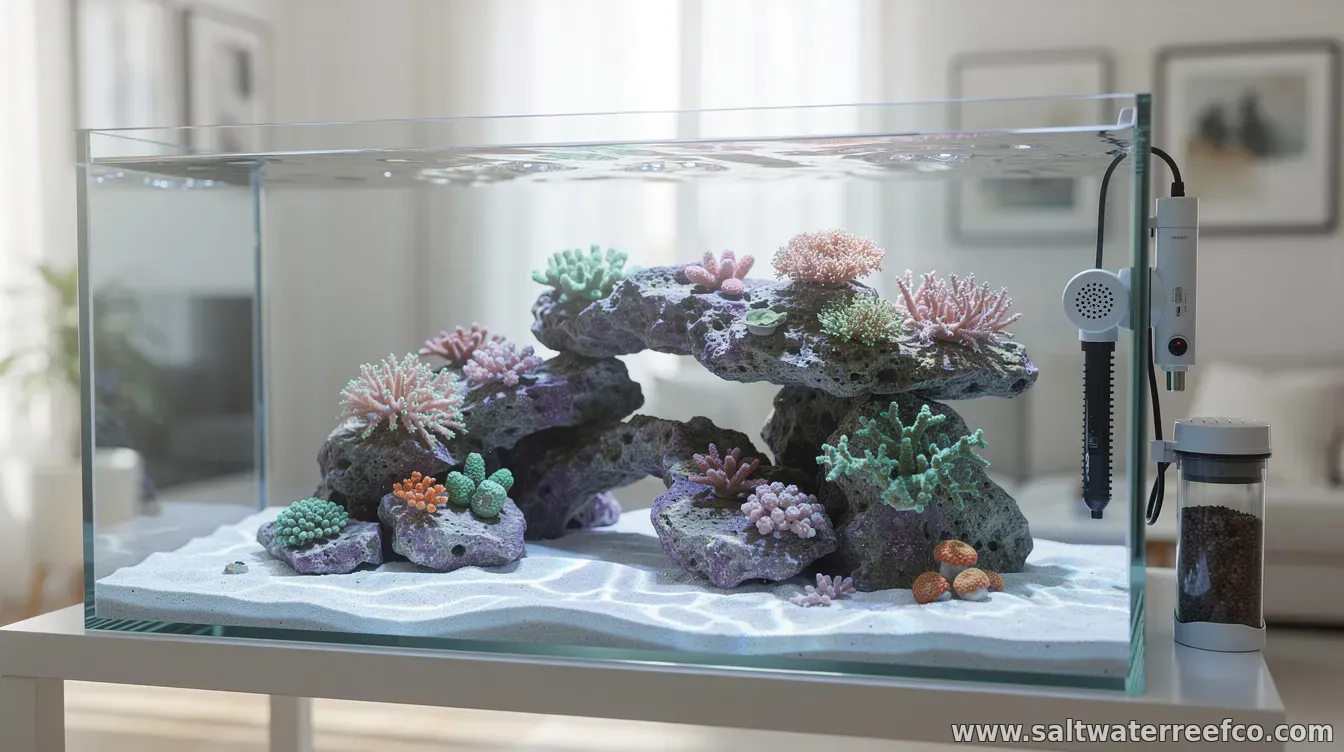
Reef tanks are one of the most rewarding aquarium projects you can take on, but they also demand patience and precision. Unlike basic freshwater setups, saltwater reef systems rely on tight control of water chemistry and lighting, and mistakes can harm animals quickly. Before you buy a tank or start adding corals, it helps to understand what “ready” really means. Start with the right tank size and expectationsBeginner reefkeepers often assume that bigger is always better, and while “bigger can be more stable,” the real goal is choosing a size you can maintain consistently. Small tanks can reach water-parameter swings faster, making stability harder. A common beginner path is to choose a reasonably sized display and plan space for filtration and saltwater storage, so routine tasks like water changes don’t become a burden. Choose equipment built for stabilityMost reef tanks succeed or fail based on consistent equipment performance. At minimum, plan for reliable lighting suitable for the animals you want, adequate water movement, and a filtration approach that supports biological stability. Many setups also use a protein skimmer and/or refugium, especially as you scale up. Just as important: invest in a quality heater, temperature monitoring, and basic test tools so you’re not guessing about conditions. Understand cycling and why it can’t be skippedBefore adding livestock, you must cycle the tank—establishing beneficial bacteria that convert waste into less harmful forms. This process typically takes weeks, and rushing it is one of the most common ways beginners run into ammonia or nitrite spikes. A proper cycle means testing regularly until water parameters show stability, not just “looking clear.” Test water parameters and track them over time
Reef tanks require ongoing monitoring because parameters can drift with evaporation, feeding, lighting changes, and maintenance. Beginners often focus on a single reading, but the better approach is tracking trends: salinity, alkalinity, calcium, nitrate, and phosphate (the exact list depends on your goals). Establish a simple routine early, and you’ll avoid the “mystery problem” cycle of correcting one issue while another worsens. Pick beginner-friendly livestock and add slowlyWhen you’re ready to stock, start with hardy species and plan a gradual introduction. Coral and fish choices should match your lighting, water flow, and feeding capabilities. A frequent beginner mistake is adding too much too soon, which overwhelms the biological filtration and causes parameter swings. Add organisms in stages, allow time for the tank to stabilize, and keep compatibility in mind. Budget for maintenance, not just setupThe initial tank cost is only part of the picture. Reefkeeping has recurring expenses: salt mix, water for top-off and water changes (often RO/DI), test reagents, filter media, replacement lights, and occasional equipment upgrades. Budget also for your time—regular testing and water-change schedules matter as much as the hardware you buy. Watch for common beginner pitfallsSeveral issues repeatedly show up in early reef tanks: skipping or shortening the cycle, failing to test consistently, ignoring salinity swings caused by evaporation, overfeeding, and making large water-chemistry changes too quickly. If something seems “off,” focus first on the basics—temperature, salinity, and recent testing history—before chasing complicated fixes. With a thoughtful setup, realistic expectations, and a routine for testing and maintenance, beginners can absolutely build a thriving reef. The key is to treat reefkeeping like a controlled system: introduce changes slowly, measure what matters, and let the tank mature at its own pace. |
|
|
Next & Previous posts