5:27 AM Reef Aquarium Cost: Setup Price and Monthly Expenses |
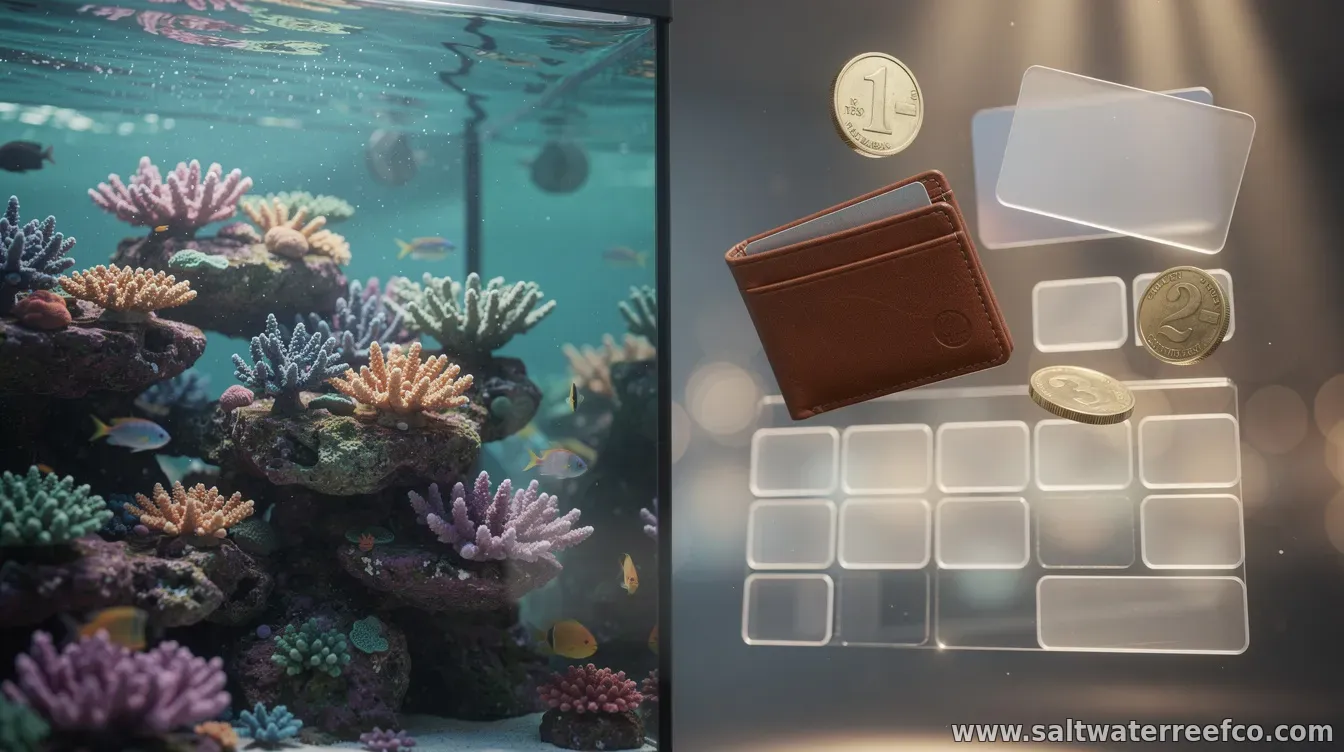
For many hobbyists, the most surprising part of starting a reef aquarium isn’t the tank—it’s everything around it. The true cost depends on whether you’re building a basic “starter reef” or investing in a higher-end setup with stronger lighting, additional redundancy, and more advanced filtration. Below is a practical breakdown of typical setup expenses and the ongoing monthly costs you should plan for, plus a few decisions that can dramatically change your total budget. 1) Setup costs: the biggest price jump up frontA reef aquarium setup is usually driven by tank size, lighting quality, and the type of filtration and water movement you choose. Entry-level systems can be built relatively affordably, but reef-appropriate hardware tends to cost more than freshwater gear due to heat control, salinity stability, and the light intensity many corals require. As a broad planning guide, many new reef keepers spend anywhere from a few hundred dollars on a modest starter build to several thousand on a larger, more capable system—especially if you include stand, sump/refugium equipment, dosing or automation, and premium lighting. 2) Core equipment that shapes the total budgetWhile every build differs, most reef setups require the same categories of gear. Costs can vary widely, but these are the typical drivers:
If your plan includes automation (ATO—auto top-off, controllers, dosing pumps, leak detection), the upfront cost rises, but it can reduce day-to-day maintenance burden later. 3) Live rock, sand, and “cycle” materialsIn reef aquariums, aquascaping is both aesthetic and functional. Live rock (and sometimes live sand) helps establish biological filtration. The cost here depends on how much rock you buy and whether you go with fully live rock versus alternatives. Even when the hardware budget is controlled, live rock can still become a major line item—particularly for larger tanks where volume increases. You should also factor in expendables that support the cycling phase and early stability, such as bacteria starters, test reagents, and initial cleaning tools. 4) Livestock costs: fast to add up, and variable by choiceLivestock can range from modest to premium depending on what you keep. Fish tend to be simpler for beginners than corals, and reef invertebrates vary tremendously in price. Corals can become the most expensive part of reefing—not because they’re “required” to be costly, but because enthusiasts often expand over time. A budget-conscious approach usually means starting with hardy species, prioritizing compatibility, and adding new animals gradually once parameters are stable. 5) Monthly expenses: what you’ll pay every monthOnce the tank is running, your recurring costs typically fall into a few categories: electricity, consumables, and maintenance supplies. Monthly totals depend on tank size, evaporation rate, and stocking level (how much you feed and how often you test or replace media). Common monthly costs include:
Many reef keepers also budget for replacement parts—like powerheads, salt buckets, tubing, or probes—since equipment may need periodic calibration or renewal to maintain stability. 6) Ongoing “hidden” costs: stability and failure preventionReef aquariums are sensitive systems. While not every owner will experience issues, it’s wise to plan for the cost of preventing problems. Redundancy—such as backup heaters or additional temperature monitoring—can be a meaningful expense, but it may protect your livestock investment. Even if you don’t buy backups right away, setting aside a small contingency fund is one of the most practical budgeting habits in the hobby. 7) A realistic way to budget your reef aquariumThe best budget is the one you can sustain without rushing livestock purchases. Consider separating your plan into three phases: (1) hardware and water setup, (2) cycling and stabilization, and (3) gradual stocking. If you want a simple budgeting rule of thumb, estimate your monthly costs first (electricity, salt, testing, and food), then ensure you can afford them long-term. After that, you can decide whether to invest in higher-end lighting, automation, or more sophisticated filtration—each of which can improve stability, but also affects the initial price. Ultimately, the “real” cost of a reef aquarium is less about the sticker price of the tank and more about the full ecosystem you build around it. With careful equipment choices and controlled livestock additions, you can create a reef that fits your budget—and still looks and performs like a true coral reef. |
|
|
Next & Previous posts