0:45 AM How to Properly Acclimate New Fish and Coral |
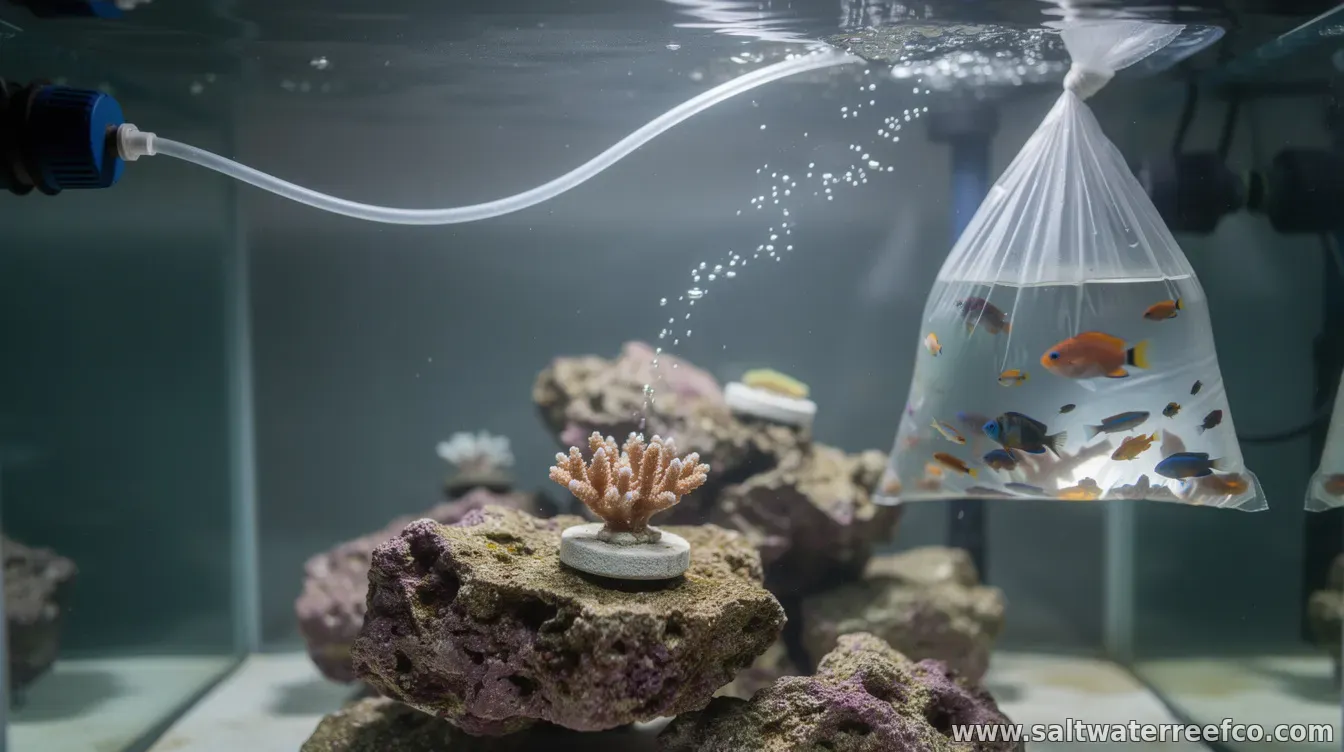
Adding new fish and coral to a reef or marine aquarium is exciting—but sudden changes in temperature, salinity, and water chemistry can quickly stress animals. Proper acclimation helps your new specimens adapt to your tank’s conditions gradually, lowering the risk of disease and loss. Start with the right preparationBefore you bring anything home, confirm your display tank parameters and match them as closely as possible. Use reliable test kits for salinity (specific gravity), temperature, pH, and—if relevant—alkalinity and ammonia/nitrite (for tanks that are still cycling). Ensure your quarantine setup (or at least a separate holding container) is ready, with stable temperature and gentle aeration. Also plan for time. Many acclimation issues happen because the process is rushed or because the container warms/cools too quickly. Keep the new shipment in stable, shaded conditions until you begin. Acclimating new fish: the gradual “drip” approachFor most fish, drip acclimation is the most reliable method when there are noticeable differences between the store water and your aquarium. Begin by floating the sealed bag to equalize temperature for about 15–20 minutes. Then transfer fish water into a clean acclimation container while keeping the fish contained and protected from temperature swings. Next, slowly add small amounts of tank water to the container using a siphon or airline tubing. Aim for a slow drip rate that lets the container water change gradually over 45–90 minutes. As the water volume rises, keep the fish from being stressed by nets or overcrowding. When acclimation is complete, gently transfer fish to the tank—avoid adding the original store water to your aquarium. If you are adding hardy fish to a mature, stable tank, you may use a simpler method (such as batch mixing) when temperature and salinity match closely. However, if parameters differ or the fish are sensitive, slower drip acclimation is the safer choice. Acclimating coral: prioritize chemistry, flow, and minimal handlingCorals are generally less tolerant of rapid changes than many fish, particularly for salinity and pH. After temperature matching by floating, you can use a controlled “frag/coral acclimation” workflow. Keep the coral in clean, separate water (ideally from the store) and then gradually introduce tank water—often in smaller increments over 30–60 minutes—so the coral’s surrounding water chemistry shifts slowly. Once acclimated, transfer the coral carefully and place it in the appropriate location: similar light intensity and appropriate water movement are crucial. If you’re moving a coral from one lighting level to another, ramp lighting gradually over days to prevent stress. Use stable mounting (such as appropriate frag plugs) to reduce the chance of tissue damage from repeated repositioning. Avoid letting coral touch bare hands, contaminated tools, or substrate that contains pests or irritants. Also, don’t skip observing the tank’s flow: many coral failures come from placing the coral in dead spots or in overly turbulent currents. Key mistakes to avoid
Finally, after introduction, monitor your new additions closely for the first several days. Look for signs of stress such as abnormal behavior in fish or excessive retraction in coral. If you notice serious symptoms, consider whether quarantine or targeted intervention is appropriate—while avoiding drastic changes to tank parameters. With careful preparation and slow, controlled acclimation, you give both fish and coral the best chance to settle in and thrive in their new environment. |
|
|
Next & Previous posts