0:56 AM How to Properly Acclimate New Fish and Corals |
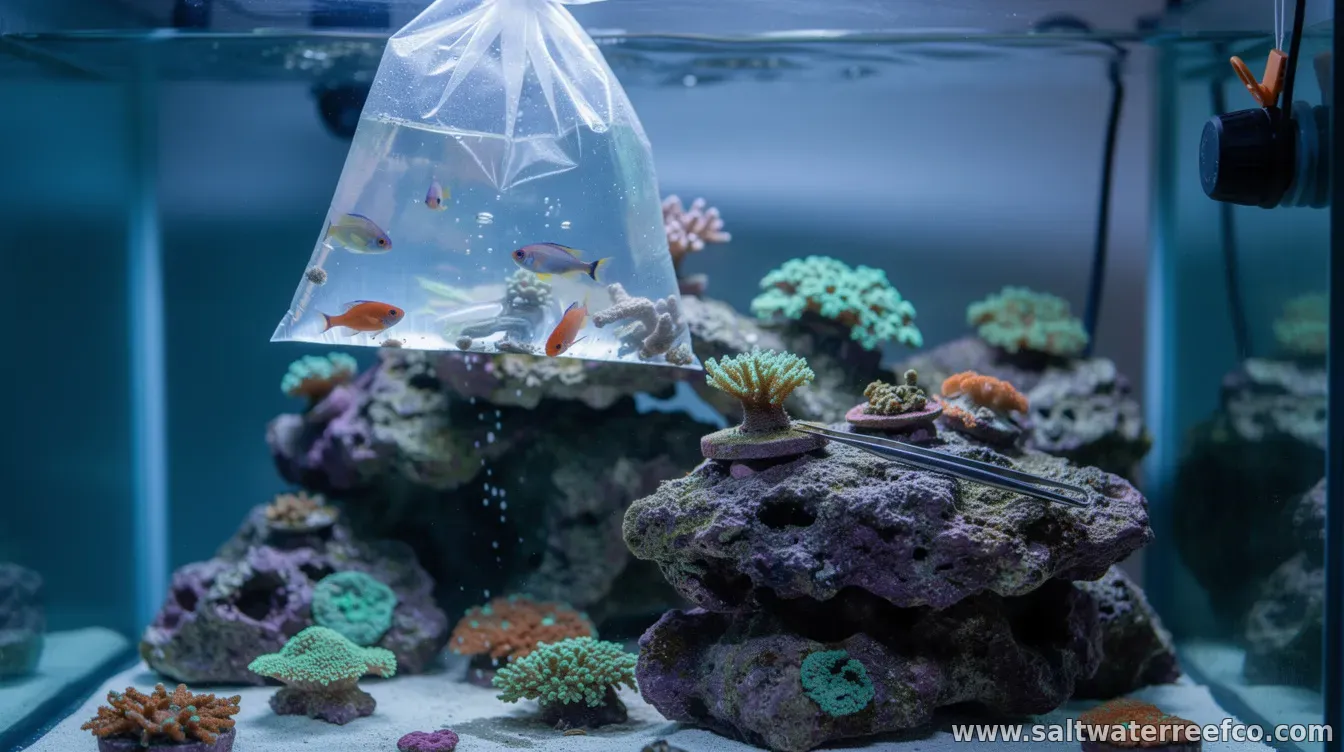
Adding new fish or corals is one of the fastest ways to introduce stress—and sometimes disease—into an established aquarium. The goal of acclimation is simple: help animals adapt to differences in temperature, salinity, and water chemistry between the store system and your tank. Before you begin: set up for a smooth transferUse clean, aquarium-only tools (no soap). Prepare a separate container or acclimation bucket for new arrivals, and verify key tank parameters so you know what you’re trying to match. If you’re adding corals, plan to keep them out of bright light and away from air exposure as much as possible. Confirm temperature first and keep hands and equipment steady to avoid sudden swings. If you have an established quarantine setup, use it—especially for fish—because acclimation won’t prevent every pathogen risk. Acclimating new fish: slow and chemistry-firstWhen possible, use drip acclimation for fish, particularly for marine setups where salinity can vary. Start by floating the bag to equalize temperature—usually 15–30 minutes—so the animals aren’t shocked by heat differences. Next, gradually equalize water chemistry. Open the bag and pour off a portion of store water into the sink (or discard per your local guidance), then top up with tank water. Repeat the process several times, or—better—use a drip line to add tank water at a slow rate so the fish can adjust over time. As a rule of thumb, the transfer window is typically 30–90 minutes, depending on how different the water parameters are and how stable your drip rate is. Watch for abnormal behavior: gasping, rapid respiration, or frantic swimming can signal a problem. Acclimating corals: protect tissue and match conditionsCorals are often more sensitive than fish because they can react to light and water chemistry quickly. Keep corals submerged and minimize air time. After temperature matching (often by floating the coral container if instructed by the supplier), use a method that equalizes water without exposing the coral to wide swings. Common approaches include gentle container mixing (adding small amounts of tank water at intervals) or drip acclimation into a coral-safe container. Regardless of method, ensure the water you’re introducing has similar salinity, pH, and alkalinity to your display tank. Once acclimation is complete, position the coral according to its lighting and flow needs. Avoid “full blast” placement on day one—many reef keepers start corals in a stable, moderate-flow area and then adjust gradually over several days. What can go wrong—and how to prevent itEven with careful acclimation, problems can happen. The most common issues come from rushing temperature/chemistry changes, mixing store water into the tank, and skipping quarantine. Also avoid sudden changes in lighting: corals that go from dim shop lighting to strong aquarium lighting can bleach or retract for extended periods. If you notice persistent stress after transfer—like tissue recession on corals or repeated gill distress on fish—act quickly. Check salinity, temperature, alkalinity, ammonia/nitrite, and pH. In many cases, the “fix” is stabilizing parameters rather than adding new products. Bottom line: acclimation is about slow equalization, careful handling, and matching conditions. Take your time, avoid dumping store water into your tank, and treat corals and fish with the specific care their sensitivity level requires. |
|
|
Next & Previous posts