0:46 AM Safe Acclimation for New Fish and Corals |
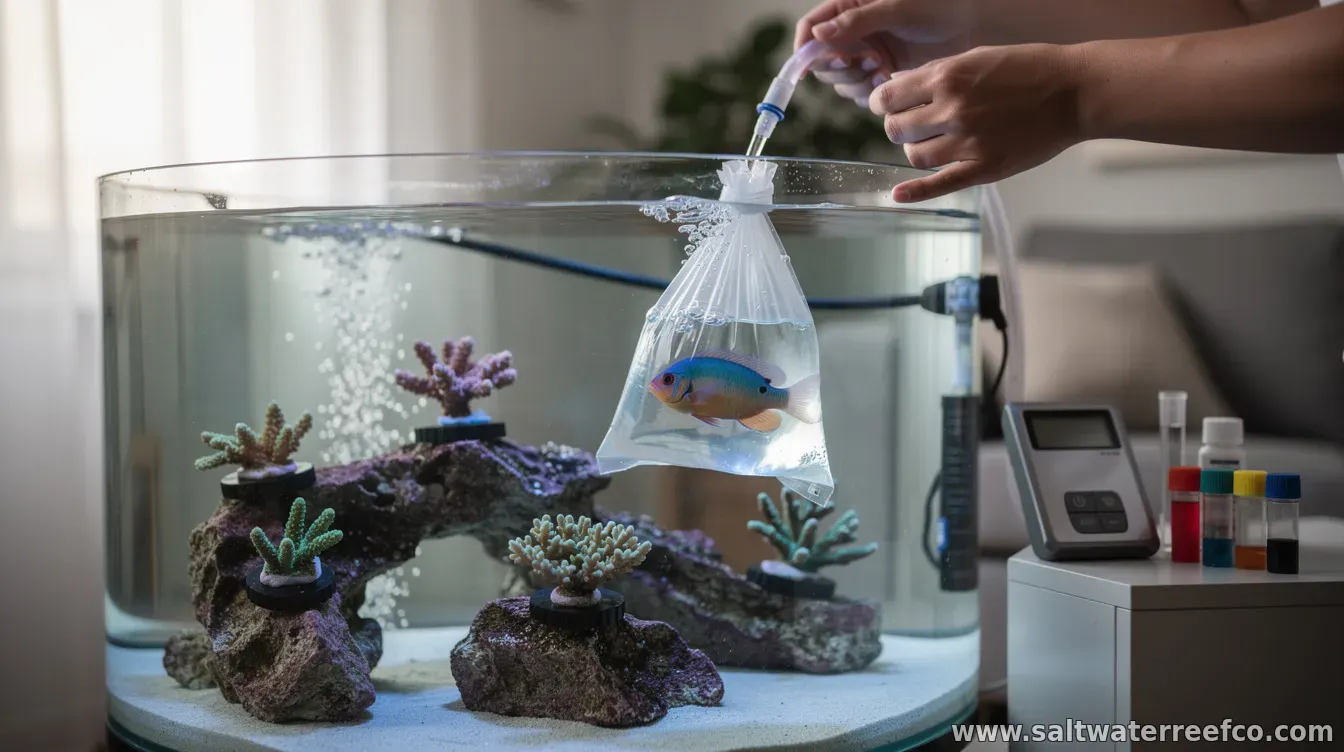
Introducing new fish and corals is one of the highest-impact moments in reef and aquarium keeping. The right acclimation process reduces stress and lowers the risk of disease, tissue damage, and failed coral attachment by easing sudden changes in water conditions. While there are different approaches by species and tank setup, the underlying goal is the same: bring the new animal’s water parameters gradually closer to your tank’s conditions—especially temperature and salinity—before letting it fully join your system. Start with preparation: match conditions and plan for quarantineBefore you open any bags or containers, confirm your tank’s key numbers: temperature, salinity (specific gravity or conductivity), pH, and ammonia/nitrite status. If possible, use a separate quarantine tank for fish and any particularly sensitive livestock. A quarantine setup buys you time to observe for parasites and disease before they reach the display tank. Also ensure your destination tank is ready to receive the newcomer. For corals, identify stable placement points (flow and light) and have tools ready for mounting or gluing so the coral spends less time out of water. Acclimate fish with slow temperature and salinity adjustmentMost fish can be acclimated by using the bag water as a starting point and gradually mixing in tank water. Begin by floating the sealed bag to equalize temperature—typically 15–25 minutes depending on temperature differences. Then use a gradual “drip” or incremental mixing method. A common approach is to add small amounts of your tank water to the bag at intervals (for example, every 10–15 minutes) for about 45–90 minutes. Avoid dumping bag water into the tank. If your supplier water contains heavy waste, better fish health often comes from keeping that water separate until the animal has mostly equilibrated. Once acclimated, net the fish into the tank rather than releasing them with the bag water. Dim lights during and after transfer can help reduce stress while the fish settle. Acclimate corals to protect tissue and improve survivalCorals are more sensitive than most fish to rapid changes in chemistry and exposure to air. Keep handling time short, and minimize temperature swings. For many corals, the safest strategy is a gradual acclimation using a container method: place the coral (with its frag plug or base) in a clean container and drip tank water in slowly while gently swirling to remove transport water. Many keepers also perform a brief coral rinse or “dip” step only when appropriate for the situation (for example, managing pests). If you dip, match the chemistry of the dip solution as directed by reliable sources and follow recommended durations—overexposure can be harmful. For the display tank, avoid adding dip chemicals or pests from the container into your reef. After acclimation, position the coral where it can recover. Ensure flow is steady but not blasting, and light conditions are appropriate. If the coral came from a different lighting level, consider acclimating it to your lighting gradually to prevent bleaching. Extra precautions: reduce stressors and monitor after transferEven with perfect acclimation, stress can show up in the first days. Keep an eye on appetite, breathing/gill movement, coloration, and unusual behavior in fish. For corals, watch for polyp retraction beyond normal rhythms, tissue paling, or detachment from the mounting surface. Maintain stable water quality during the adjustment period. Avoid major changes (new filtration media, large water swaps, or sudden dosing shifts) that could compound stress. If you notice problems, respond quickly but carefully—stabilize first before making additional interventions. With a deliberate, gradual approach—temperature equalization, careful salinity and chemistry matching, short handling times, and a steady placement plan—both fish and corals have a much better chance to thrive from day one. |
|
|
Next & Previous posts