1:06 AM How to Acclimate Saltwater Fish and Corals Safely |
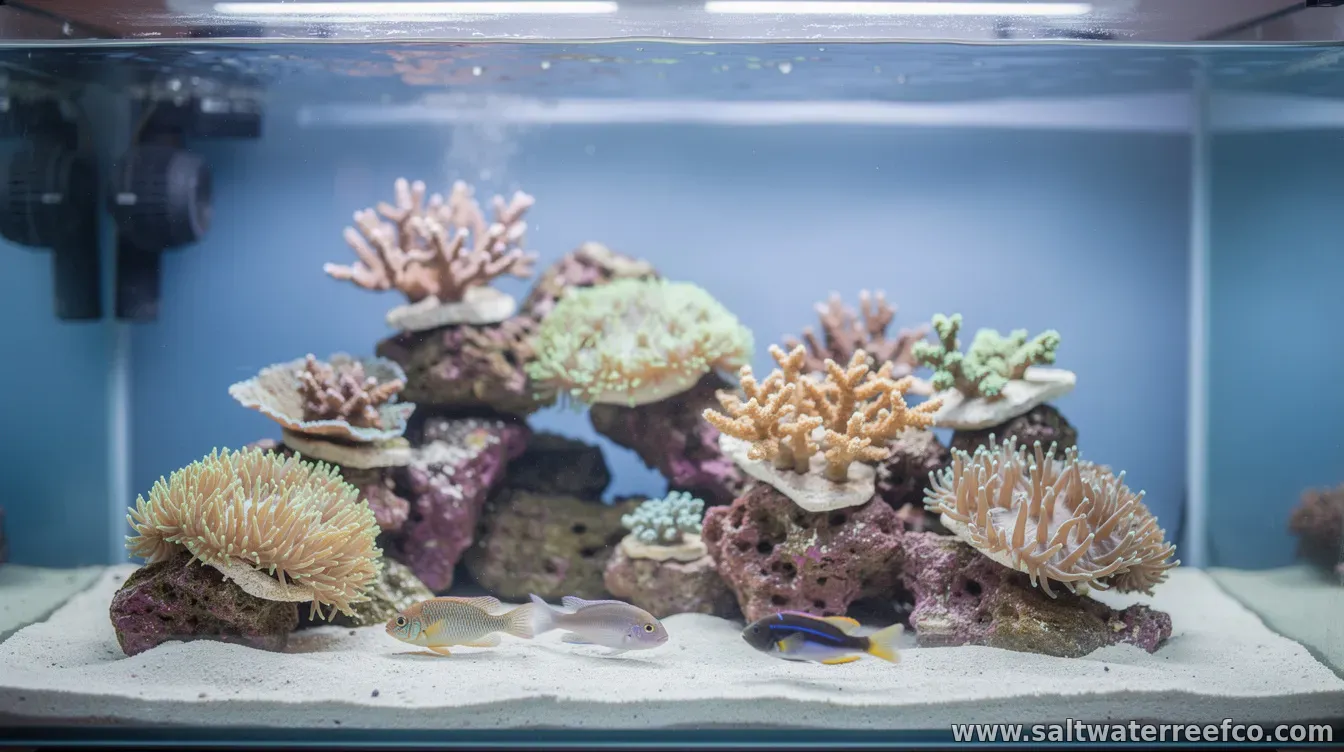
Acclimating new saltwater fish and corals correctly is one of the biggest factors behind long-term survival in a reef aquarium. Shipping exposes livestock to swings in temperature, pH, salinity, and dissolved oxygen—so a “quick float and dump” approach can cause stress and mortality. While the exact method varies by species and supplier practices, the safest process is consistent: slow water-quality matching, minimal time out of water, and close monitoring after introduction. Start with preparation, not just timingBefore opening a shipment or bag, make sure your quarantine or display tank is ready and stable. Match key parameters as closely as possible—especially temperature and salinity (specific gravity). If your tank is still cycling, has unstable salinity, or recently underwent major changes, postpone adding sensitive corals. Have a clean bucket or container dedicated to acclimation, plus a thermometer and a reliable method to measure salinity. For corals, plan a low-stress transfer to reduce time in open air. Temperature match firstTemperature shock is common when bags arrive from a different environment. Float the sealed bag (fish or coral bag) in the aquarium for about 15–30 minutes so the water temperatures equalize. Avoid extended floating if the bag water conditions degrade over time. Temperature matching alone does not solve salinity and chemistry differences, so proceed to water acclimation next. Use drip acclimation for most sensitive livestockDrip acclimation slowly blends the aquarium’s water into the shipping water, allowing livestock to adjust without sudden changes. A typical approach is to begin a slow siphon/drip from the display or quarantine into the acclimation container and let it run for 45–90 minutes, depending on how different the salinity and volume are. General technique:
Consider “phase changes” for coralsCorals are particularly sensitive to water chemistry and especially to stress during handling. Keep coral transfer time short, minimize light exposure outside the tank, and avoid letting coral tissue dry or sit in container water for long periods. After acclimation, place corals in an appropriate location before moving them to final positions. Many reef keepers start corals in a lower-flow or more shaded area for the first day, then gradually adjust flow and light intensity over time to reduce stress. Quarantine and observation reduce hidden risksEven with perfect acclimation, pests and diseases can hitchhike on new arrivals. For fish and coral, quarantine helps protect established systems. Maintain stable water quality, feed conservatively at first, and watch for signs like flashing, labored breathing, reduced appetite, or tissue recession in corals. If you’re acclimating multiple specimens, avoid cross-contamination between bags—use separate nets or handle one at a time. Common mistakes that cause setbacksSmall errors can undermine your efforts:
What to do after acclimationOnce introduced, keep conditions stable—avoid additional big parameter swings for at least 24–72 hours. Monitor ammonia/nitrite in quarantine, maintain correct salinity, and observe feeding response in fish. For corals, look for normal polyp extension, color retention, and stable tissue condition rather than expecting immediate “best behavior” on day one. Acclimation is a slow bridge between the shipping world and your tank. When you combine temperature matching, gradual water chemistry adjustment, careful transfers, and observation, you give saltwater fish and corals the best possible start. |
|
|
Next & Previous posts