0:19 AM Locally Grown Corals vs Imported: Key Differences |
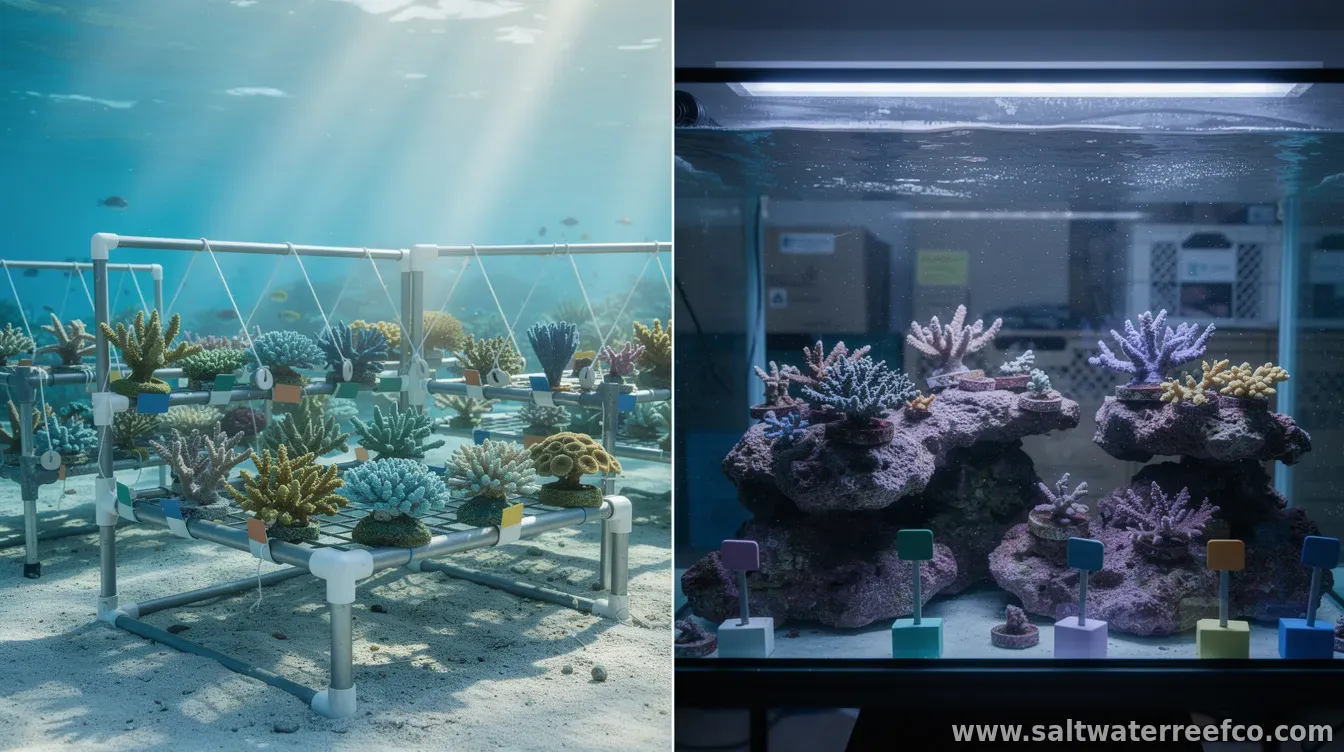
Corals are one of the most popular additions to reef aquariums, but sourcing matters. With growing attention on reef conservation and supply-chain transparency, many hobbyists are weighing locally grown corals against imported stock—especially when it comes to survival, regulation, and long-term impact. Below is a practical breakdown of the key differences, and what those differences can mean for your tank and for reef ecosystems. 1) Health and survival rates after transportLocally grown corals typically spend less time in transit, which can reduce stress from temperature swings, shipping delays, and handling. In many cases, they are also acclimated to conditions similar to those found in nearby retail systems. Imported corals may arrive after longer journeys, and they can experience more environmental shocks. Stress during transport can show up later as slow growth, receding tissue, or susceptibility to nuisance algae—though outcomes vary widely depending on the exporter, shipping method, and quarantine practices. 2) Genetic diversity and “local adaptation”When corals are grown locally, they may better match the environmental conditions of the region—such as light levels, temperature ranges, and seasonal fluctuations—especially if breeders source from nearby parent stock. Some farms also track lineage and selectively propagate colonies, which can influence consistency and resilience. Imported corals can bring valuable genetic variety, but they may originate from different climates or reef conditions. That mismatch doesn’t automatically make imported corals “bad,” yet it can raise the bar for proper acclimation, water chemistry tuning, and stable husbandry. 3) Regulations, documentation, and traceabilityOne of the biggest differences is often paperwork. Locally grown corals may have clearer chain-of-custody within the same country or region, with documentation tied to licensed propagation and trade rules. Imported corals depend on cross-border compliance, including export permits and import authorizations where required. For consumers, this can translate into more or less transparency—so it’s important to ask retailers about provenance and whether the stock is farmed/propagated versus wild-collected. 4) Conservation impact: farming versus wild collectionIn general, propagation and aquaculture can reduce pressure on wild reefs by meeting demand through cultivated colonies. Locally grown farms may also support reef stewardship in their region through partnerships, monitoring, and responsible broodstock sourcing. However, the conservation benefit depends on practices on both sides of the supply chain. “Imported” can still be farmed, and “local” can still involve poor sourcing if oversight is weak. The deciding factor is whether corals are genuinely propagated and whether the system avoids harmful collection methods. For hobbyists, the most meaningful questions are: Are the corals aquacultured (not wild-collected)? What is their origin? And can the retailer provide documentation that supports those claims? 5) Cost, availability, and growth timelinesLocally grown corals may be more readily available in smaller batches, sometimes with more predictable pricing because shipments are shorter and seasonal demand can be managed regionally. They may also start closer to their final display conditions, which can help buyers reduce trial-and-error. Imported corals can offer a wider selection of species and color variations, but availability may be less consistent. Costs can also reflect shipping, compliance, and risk premiums—especially for rarer pieces. 6) What to do before (and after) you buyRegardless of origin, corals benefit from a disciplined care routine. Many retailers recommend quarantining new additions, especially if you’re building a mixed-species tank. Consider asking the seller for recent growth and feeding history, whether the coral is tank-acclimated, and its current parameters (lighting, flow, and water chemistry). Then match your tank conditions gradually and monitor closely for early warning signs of stress. In the end, the “best” choice depends on your priorities. If you want predictable acclimation and local oversight, locally grown corals often have an advantage. If you’re seeking variety and specific strains, imported corals can be worthwhile—provided they are responsibly farmed and supported by clear documentation. Bottom line: locally grown corals usually reduce transport stress and improve traceability, while imported corals can expand variety—but both should be evaluated on health history and whether they are truly aquacultured. |
|
|
Next & Previous posts