0:44 AM A Week in the Life of a Healthy Reef Tank: Maintenance |
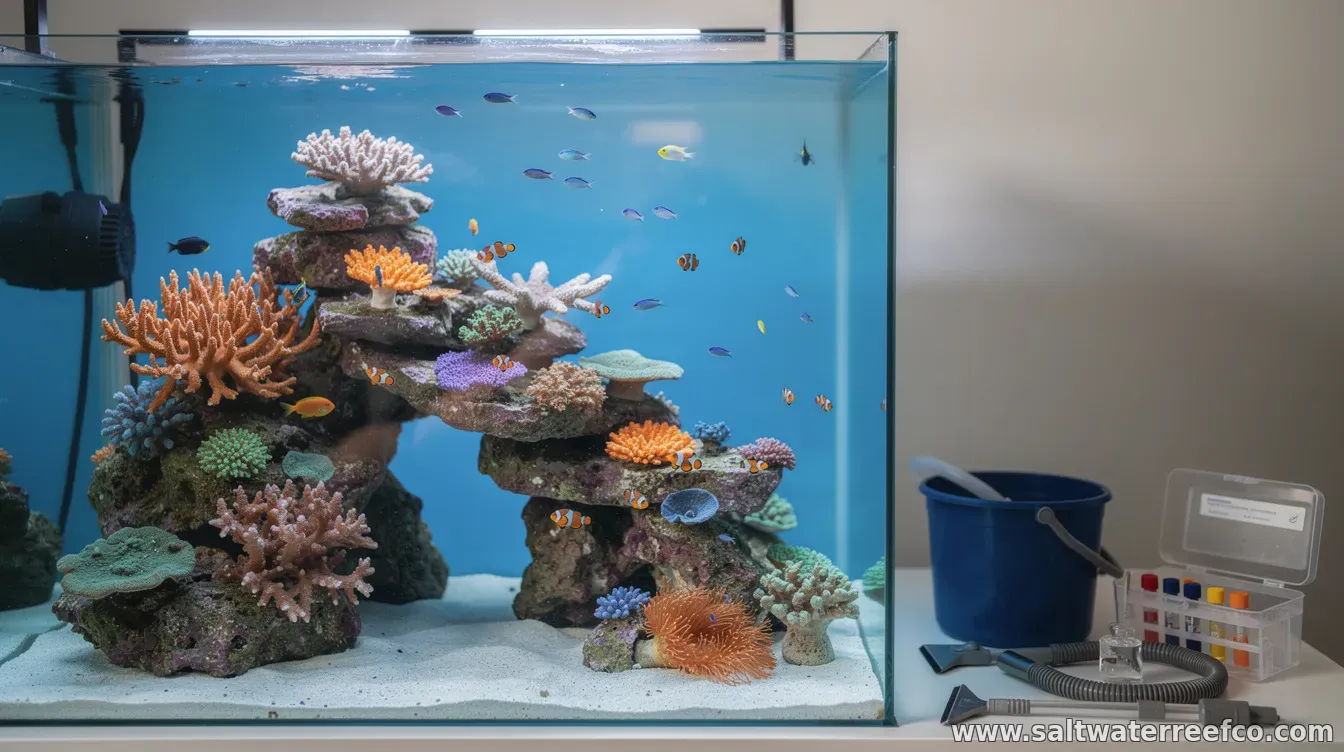
A “healthy reef tank” doesn’t happen by chance—it’s the result of repeated, predictable care. While the exact schedule varies by tank size, stocking, and equipment, most successful keepers follow a weekly maintenance rhythm designed to protect water quality, prevent buildup, and catch problems early. Daily habits that prevent weekly emergenciesEven though this guide focuses on weekly tasks, many keepers start with quick daily checks that take only a few minutes. You typically monitor temperature, observe animal behavior, and look for signs of stress (such as unusual polyp retraction, excessive fish hiding, or abnormal algae). Most critical: watch key parameters trend the right direction rather than waiting for a “bad test” day. Weekly water checks: the data that drives decisionsOnce a week, many reef keepers test core water parameters. The goal is not just passing numbers, but understanding stability and direction—especially for nutrients and alkalinity that affect corals and coralline growth. Common test targets include salinity/specific gravity, alkalinity (often the “workhorse” for coral calcification), calcium, magnesium, nitrate, and phosphate. If you track using a log or app, weekly results become a powerful early-warning system. A slight drop in alkalinity, for example, can reveal that dosing or consumption has changed. Rising phosphate may indicate feeding has increased or filtration needs adjustment. Glass and surface cleaning: remove buildup before it becomes a problemAlgae film and dust can accumulate quickly in reef systems, affecting light and oxygen exchange. A weekly wipe of the viewing glass (usually inside the tank) helps you spot changes sooner and reduces nuisance growth. Many keepers also clean or inspect the areas where debris collects—around intake points, overflow teeth, and pump housings—because trapped detritus can fuel unwanted algae and corals’ irritants. Protein skimmer and filtration routine: tune performance, not just equipmentFiltration maintenance often comes down to the skimmer and mechanical filtration. A weekly skimmer check—ensuring air intake, water level, and skimmate production are consistent—helps keep dissolved organics under control. If you run filter socks or sponges, replace or rinse them on a schedule so detritus doesn’t break down back into the water column. When these parts clog, nutrients can rise and algae often follows. Media and additives also deserve attention, but not all changes should be rushed. If you use activated carbon, for instance, the “when” depends on tank demands and how much you’re removing. Many keepers swap it in batches on a roughly weekly or biweekly cadence, while watching for water clarity and odor changes. Water change day: stabilize chemistry and replenish trace elementsMost reef tanks benefit from regular water changes, often weekly or every other week depending on stocking and nutrient balance. A typical water-change routine includes preparing fresh saltwater with matching temperature and salinity, using clean containers, and siphoning accumulated detritus from problem areas without over-disturbing live rock. Water changes help “reset” the system by replenishing major ions and supporting overall stability. They also dilute excess nutrients that can accumulate between maintenance cycles. If your tank is heavily stocked with fast-growing corals or producing high waste, you may need more frequent adjustments—while careful observation is what determines the right pace. Nutrient control through feeding and flow (not just chemicals)Weekly maintenance isn’t limited to test kits and buckets. It also includes reviewing how nutrients are produced and exported. Check feeding amounts and consider whether food is being consumed quickly or lingering. Inspect flow and circulation: pumps and powerheads can collect biofilm, and clogged or misaligned nozzles reduce water movement—especially around corals—leading to dead spots where detritus settles. Reef keepers commonly do a quick, safe equipment cleaning during the week to restore intended flow. The key is doing it in a way that doesn’t shock the tank—turn off pumps only as needed and avoid large swings in water chemistry. Coral care and observation: the “real test” of tank healthBy the end of the weekly routine, the most important checklist is still visual. Look for coral polyp extension, stable coloration, and feeding response. Watch for early warning signs: tissue recession, persistent algae smudges on new frag plugs, or irritated areas that may correlate with flow problems or parameter drift. Healthy reef tanks usually show calm, consistent behavior. If something changes, weekly maintenance provides the first chance to identify why—whether it’s equipment performance, nutrient buildup, or a dosing/calcium-demand shift. Ultimately, “a week in the life” of a reef tank is less about big interventions and more about steady maintenance: measure, clean, replace or rinse what needs it, and adjust habits based on trends. Over time, that routine builds resilience—helping your reef stay stable, vibrant, and easier to manage. |
|
|
Next & Previous posts