1:03 AM Alkalinity, Calcium & Magnesium: Reef “Big Three” Explained |
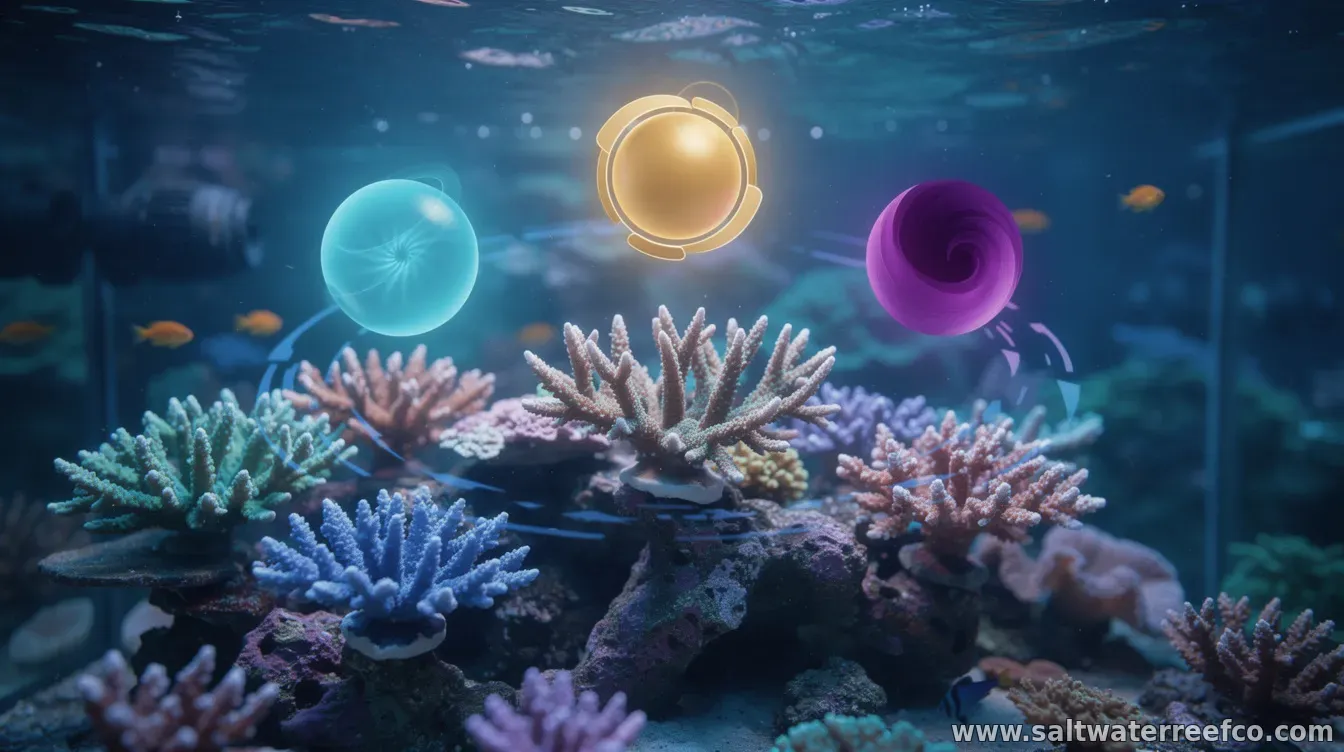
Reef keepers often hear about the “Big Three” parameters: alkalinity, calcium, and magnesium. Together, they support coral skeleton formation and help stabilize the chemistry of a saltwater aquarium. While exact target ranges vary by system and livestock, the underlying relationships remain the same. Think of alkalinity as the water’s supply of carbonate and bicarbonate—building blocks corals use to turn dissolved calcium into calcium carbonate. Calcium is the raw material needed for that reaction. Magnesium doesn’t get consumed at the same rate, but it plays a crucial “regulator” role by slowing unwanted precipitation of calcium carbonate out of solution. 1) Alkalinity: the foundation for calcificationAlkalinity is typically measured in dKH (degrees of carbonate hardness) or meq/L. In practical terms, alkalinity reflects how much buffering capacity the aquarium has against swings in pH and how much carbonate/bicarbonate is available for coral growth. When alkalinity is too low, calcification can slow and pH can become less stable—especially during periods of high biological demand. In many reef systems, hobbyists aim for alkalinity values in a moderate-to-high range (commonly around the 7–11 dKH window, depending on their methodology and target coral growth rates). The key is consistency: large swings—rather than a slightly off number—often stress sensitive organisms. 2) Calcium: the ingredient corals requireCalcium concentration is usually reported in ppm. Corals use calcium ions to form their skeletons when combined with carbonate species derived from alkalinity. If calcium runs low while alkalinity remains adequate, the reef may show slower growth or increased stress at the tissue level as calcification struggles to keep pace with demand. Many reef tanks target calcium around typical natural-seawater values (often roughly 380–450 ppm). As with alkalinity, what matters most is the trend. Frequent, uncoordinated dosing can push levels beyond comfortable ranges or create chemical instability. 3) Magnesium: the stabilizer that prevents “waste” precipitationMagnesium is present at much higher levels than calcium and is measured in ppm. Its main job in a reef aquarium is to reduce the tendency of calcium and carbonate to precipitate as unwanted solids. In everyday terms, magnesium helps keep dissolved calcium and alkalinity available for corals rather than allowing them to “lock up” into precipitation. When magnesium is low, aquarists may notice that calcium and alkalinity drift downward even when dosing continues—because more of the system’s carbonate and calcium are being lost to precipitation. Raising magnesium back toward a typical seawater range (commonly around 1250–1350 ppm) can improve dosing efficiency and overall parameter stability. How the trio interacts: a simple way to think about itThe Big Three are linked by the chemistry behind calcium carbonate formation. Corals draw upon carbonate/bicarbonate (alkalinity) and calcium to build solid skeleton material. Meanwhile, magnesium helps keep calcium and carbonate in solution, reducing non-biological precipitation. Because of these connections, adjustments to one parameter often influence the others—directly or indirectly. For example, increasing alkalinity through common dosing products can raise calcification demand. If calcium and magnesium are not kept in balance, calcium may gradually decline as corals and other processes consume it. That’s why many reef dosing strategies pair alkalinity control with calcium maintenance, often with magnesium checks done separately but regularly. Testing and interpretation: avoid chasing noiseReliable testing is the difference between controlled reef chemistry and constant “tweaking.” Variability can come from test kit limitations, sample handling, timing (especially after water changes), and even temperature or mixing differences. Establish baseline numbers using the same brand and consistent technique, then dose based on confirmed trends rather than single readings. A practical approach is to test alkalinity and calcium frequently enough to catch drift, while testing magnesium periodically (since it usually changes more slowly). When a parameter appears off, consider whether the system is consuming it faster than usual (increased coral growth, new additions, or feeding changes) or whether losses from precipitation, water changes, or equipment fluctuations are contributing. When you do dose, do it gradually. Many aquarists prefer stepwise corrections over large swings, especially in established tanks with delicate small-polyp stony corals (SPS) or other calcifiers. After dosing, retest after an appropriate interval so you don’t overcorrect and push levels too far. Common dosing strategies: matching cause to correctionMany products and methods exist, but they tend to fall into a few themes: separate calcium and alkalinity dosing, two-part systems designed to move both together, and more specialized approaches such as kalkwasser or balanced additive schemes. The “right” method depends on your tank size, evaporation rate, consumption, and whether you prioritize simplicity or precision. Regardless of the method, the Big Three framework remains the same: keep alkalinity and calcium aligned with consumption, and ensure magnesium stays high enough to prevent excessive precipitation. If you find that calcium and alkalinity won’t hold, magnesium is a common suspect worth checking. Ultimately, the goal isn’t just hitting specific numbers—it’s maintaining stable, compatible reef chemistry that supports healthy calcification. With consistent testing, gradual adjustments, and an understanding of how alkalinity, calcium, and magnesium work together, reef keepers can reduce parameter swings and create conditions where corals can grow steadily. |
|
|
Next & Previous posts