0:59 AM Calcium reactor vs two-part dosing: which fits? |
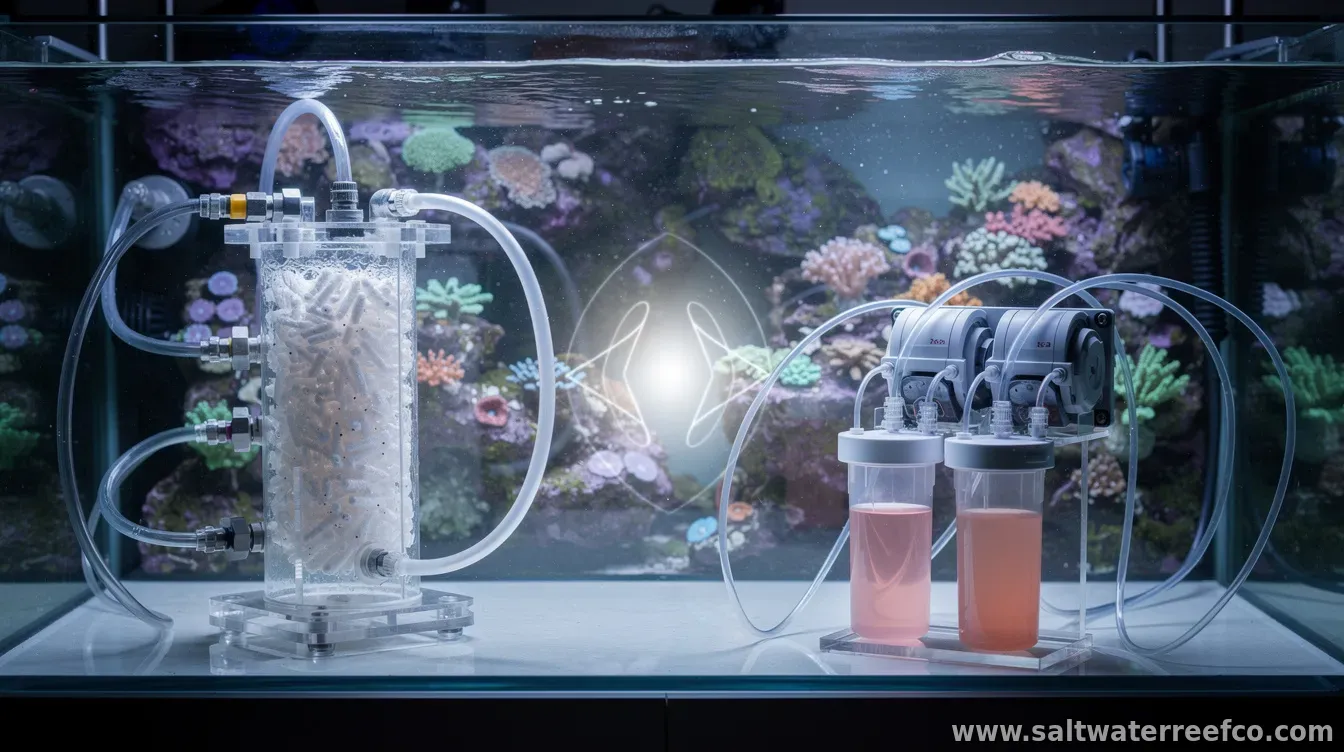
Choosing between a calcium reactor and two-part dosing is one of the most important decisions for reef aquariums—because the right method helps keep calcium and alkalinity stable, supporting coral growth and preventing slow chemistry drift. Both approaches can work well, but they suit different systems and lifestyles. The best choice depends on your tank’s demand, how hands-on you want to be, and how comfortable you are with equipment tuning versus routine measurement. How each system delivers calcium and alkalinityA calcium reactor uses CO2 to dissolve media (typically aragonite or similar materials). As the media breaks down, it releases calcium and carbonate into a controlled effluent that’s mixed back into the tank, while alkalinity and pH are managed as part of the process. Two-part dosing adds calcium and alkalinity as separate solutions—commonly formulated to replenish what corals, sand, and other organisms consume. Dosing is typically automated with dosing pumps, based on measured tank consumption or calculated estimates. Key differences: stability, maintenance, and costStability: Both can be stable when properly dialed in. Calcium reactors often provide steady input through continuous effluent, but they can be sensitive to CO2 regulation and media changes. Two-part dosing can be extremely consistent as long as pumps are calibrated and reagents are replenished on schedule. Maintenance: Reactors usually require periodic media replacement and setup checks (including CO2 and effluent tuning). Two-part dosing demands frequent attention to dosing rates, reagent levels, and test results—especially after system changes. Cost: Many hobbyists find that small-to-medium tanks can make two-part dosing more economical upfront and in reagent cost, while larger, high-demand systems may benefit from reactor efficiency over time. The “right” answer depends on your local pricing for media, CO2 supply, and the specific brands you use. Which one typically fits your system bestFor many reef keepers, the decision comes down to your tank’s demand and your tolerance for tuning. As a general rule of thumb, reactors often appeal to larger tanks with heavier calcium/alkalinity consumption and to people who prefer fewer daily liquid changes. Two-part dosing often appeals to smaller tanks or mixed reefs where you want flexibility and straightforward adjustments without managing a reactor chamber. Consider your current setup: if you already run CO2, have space and plumbing for the reactor, and can manage pH impacts carefully, a calcium reactor may integrate cleanly. If you prefer a simpler plumbing footprint and want to “dial in” dosing rates using automated pumps, two-part dosing may be the lower-friction option. Safety and troubleshooting considerationsWhichever method you choose, chemistry accuracy matters. With a calcium reactor, improper CO2 tuning can swing reactor effluent pH, which can affect how efficiently the media dissolves. With two-part dosing, inaccurate pump calibration or inconsistent reagent strength can lead to repeated overshoots or undershoots. In both cases, it’s wise to use a consistent testing routine—at least during setup and after major livestock changes. Also plan for monitoring: reliable alkalinity and calcium tests, and ideally verification via logs, help catch drift before it stresses sensitive corals. Bottom line: pick the method that matches your habitsIf you want automated, continuous replenishment for a higher-demand system and don’t mind reactor tuning, a calcium reactor can be a strong fit. If you want flexibility, straightforward adjustments, and easy scaling for many aquarium sizes, two-part dosing is often the more approachable choice. The “right” method is the one you can run consistently. If you can maintain accurate dosing rates and measurements, either approach can support healthy growth—just make sure your system design matches your willingness to test, calibrate, and maintain. |
|
|
Next & Previous posts