1:09 AM How to Lower Nitrates and Phosphates Without Crashing the Tank |
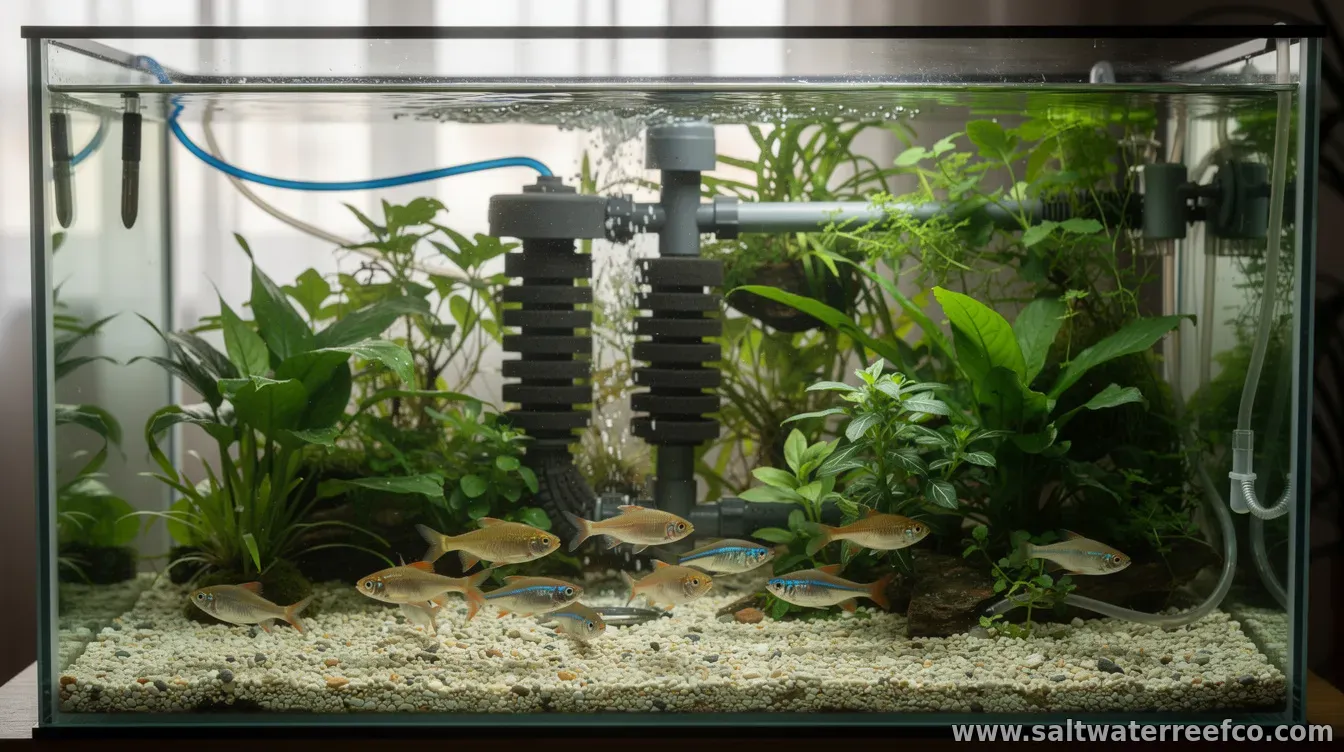
Rising nitrates and phosphates are common in established aquariums, but “quick fixes” often cause the very problem you’re trying to avoid: a temporary loss of stability, stressed fish, and stalled cycling. The goal is to lower nutrients slowly enough to keep beneficial bacteria working, while also addressing what’s feeding those nutrients in the first place. Start with the numbers. Test nitrate (NO3), phosphate (PO4), and pH/alkalinity (and ideally ammonia and nitrite to confirm they’re at zero). If ammonia or nitrite is present, the priority is immediate biological correction rather than nutrient trimming. If you’re stable but nutrient-creeping, you can move to controlled reduction. 1) Find the likely source before you dose anythingMost nitrate and phosphate problems come from one (or more) of these: overfeeding, heavy fish load, decaying organics (uneaten food, dead spots in the substrate, clogged filter areas), insufficient or poorly maintained filtration, and sometimes tap water or additive buildup. Without addressing the source, any reduction effort will be temporary. If you suspect organics accumulation, do a quick check: look for uneaten food, excess detritus, high flow that’s leaving debris trapped, and whether filter media needs rinsing or replacement. For phosphates specifically, remember that many foods contain phosphate and some substrates can leach it. 2) Use water changes as your safest “slow lever”Water changes are the most reliable way to reduce dissolved nitrate and phosphate without shocking the system. Instead of one large change, use smaller, more frequent changes based on your readings and livestock sensitivity. Match temperature and pH as closely as possible, and dechlorinate thoroughly. As a rule of thumb, aim for gradual improvement over days rather than dramatic swings in a single day. If you’re seeing very high levels, you can increase frequency—but keep the total “shock” low by not stripping too much at once. 3) Vacuum and clean without killing your bacteriaCleaning is useful, but the method matters. During maintenance, gently remove detritus from the substrate using a light vacuum where appropriate, and avoid fully replacing or deep-cleaning all filter media at once. Beneficial bacteria live in the media; destroying them can turn a nutrient problem into an ammonia/nitrite emergency. Best practice is to rinse mechanical media in tank water (never tap water) when flow is reduced, and to stagger deeper changes. For example, don’t replace all sponges/biomedia in the same week unless you’re doing it in a way that preserves enough surface area for bacterial survival. 4) Improve export: filtration, skimming, and maintenanceTo lower nutrients effectively, you need export paths that remove the material before it becomes a long-term cycling source. For many systems, this means upgrading or optimizing mechanical filtration (to capture particles before they break down), using a protein skimmer if you’re in a compatible setup, and ensuring good surface agitation and adequate oxygenation. Also keep an eye on “hidden” maintenance issues: clogged intake screens, underperforming pumps, or media packed so tightly that detritus bypasses your filtration. Cleaner flow paths usually reduce the amount of decaying matter that generates nitrate and phosphate. Optional but effective: consider media or approaches designed for nutrient binding/export. For phosphate, phosphate-removing media can help, but use it carefully and in amounts appropriate to your measured PO4. Start with conservative dosing and re-test after a short period, because overcorrection can stress sensitive livestock. 5) Don’t starve the tank—feed and light smarterEven with strong filtration, nutrients will climb if inputs exceed what your tank exports. Reduce feeding size or frequency slightly, and remove uneaten food quickly. If you use a lot of frozen foods, consider thawing and rinsing (where appropriate for your species) to reduce dissolved organics. Lighting matters for phosphate too, indirectly through algae growth. If algae is consuming nutrients, lowering photoperiod or intensity can help, but do it gradually to avoid destabilizing daytime/overnight conditions. Finally, avoid sudden changes in multiple variables at once (temperature, salinity, filtration type, substrate depth disturbance, major light shifts). A “calm” approach helps your beneficial bacteria and fauna adapt without a cascade of stress. 6) Consider a stepwise “plan” for the next 1–2 weeksA practical, tank-safe approach is to combine controlled water changes with targeted maintenance and one additional export method (rather than five at once). For example:
This keeps nutrient decline steady while giving the biological system time to catch up—reducing the risk of a “crash” caused by both chemistry swings and bacterial loss. When to slow down or seek help: If nitrates and phosphates are high because the tank is already unstable (ammonia/nitrite present, cloudy water, sudden fish stress, or massive die-off), focus on stabilizing the nitrogen cycle first. In that case, the safest path is usually to address the underlying cause immediately and avoid aggressive phosphate targeting that could complicate troubleshooting. Lowering nitrates and phosphates safely is less about magic products and more about controlled reduction, preserving beneficial bacteria, and removing the inputs that keep feeding nutrient buildup. Measure, adjust gradually, and let your tank’s biology do the heavy lifting. |
|
|
Next & Previous posts