3:02 AM Diatom blooms in new tanks: normal cycle or problem? |
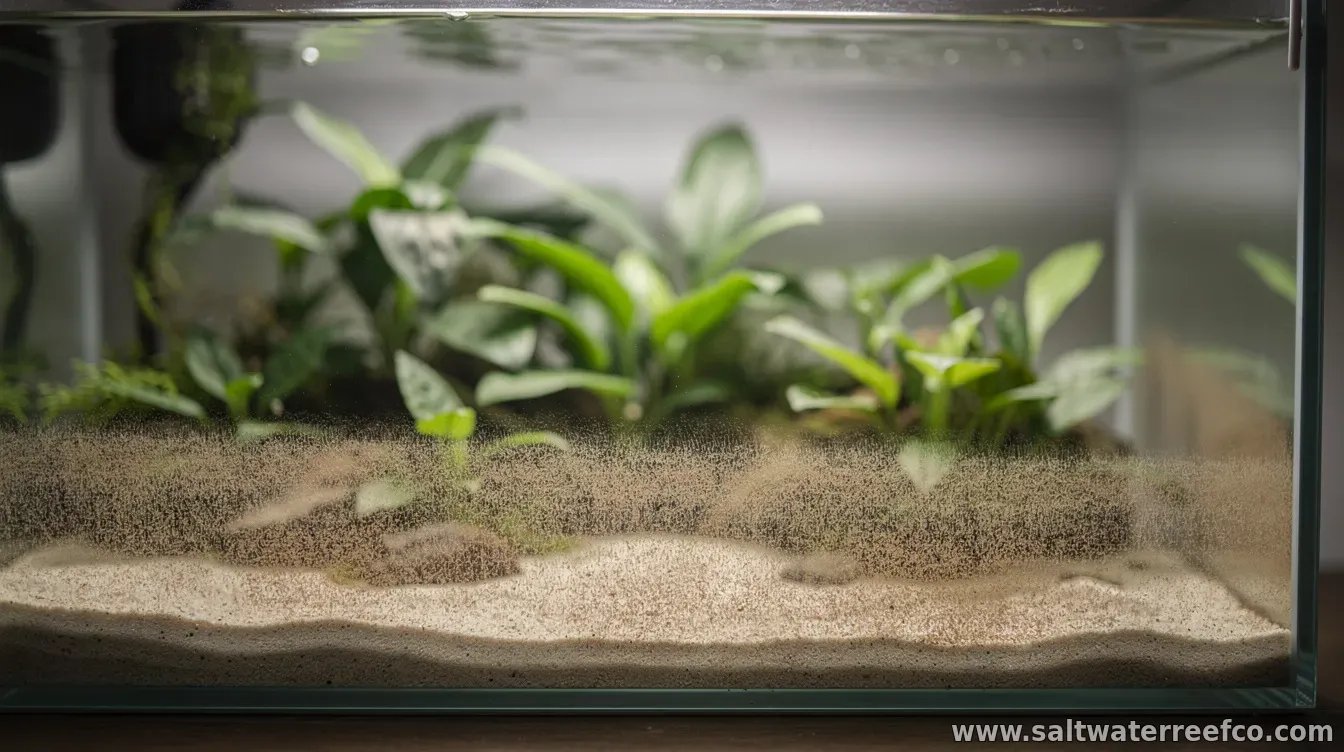
Diatoms—brown, dusty, or “varnish-like” algae—are among the most frequent surprises in new aquariums. They often show up after the first water changes and as the tank’s biological filtration begins to mature, leading many aquarists to ask whether the bloom is part of the normal cycle or a sign something is off. In most cases, a diatom bloom is not a disease. It’s typically the result of “fresh tank” conditions: surfaces are new, microbes are still colonizing, and available silicates can be elevated. Diatoms use silicate (and light and nutrients) to build their shells, so early chemistry plus lighting can create the perfect short-term window for a bloom. Why new tanks get diatom bloomsWhen a tank is first filled, stable ecosystems don’t exist yet. Beneficial bacteria that convert waste form gradually, and the balance between algae competitors and algae “winners” takes time. During this period, diatoms can outcompete other algae because they can effectively take advantage of available resources while the microbial community is still establishing. Two factors matter especially in new tanks: silicates and light. Silicates may come from source water, new substrate or sand, certain rock or additives, or even disturbed surface layers. Light then drives diatom growth; if the tank has strong lighting relative to the maturity of the biofilm, diatoms can spread quickly. Normal cycle: what “good” looks likeA diatom bloom usually starts modestly, then peaks, and then fades as the tank matures. You’ll typically notice it reducing over time as biofilm develops, nutrient uptake improves, and other algae and beneficial organisms begin to dominate the surfaces. In many aquariums, this phase is transient—often lasting several weeks. Signs it’s likely part of the normal process include dust-like coverage that’s easy to wipe or siphon, no sudden water parameter crashes, and gradual improvement after routine maintenance and consistent feeding. Many tanks also become clearer without aggressive intervention once the cycle finishes. When it may signal a real problemWhile diatom blooms are commonly benign, they can also persist or worsen if underlying conditions remain unfavorable. Consider it a “problem sign” if the bloom continues to expand beyond the early settling window or repeatedly returns after cleaning. Common triggers that prolong diatoms include:
If your parameters show persistent issues (for example, ongoing ammonia/nitrite during cycling, or continual high nutrients even after trimming feeding), diatoms may be one symptom among several rather than the only issue. What you can do—without overcorrectingStart with practical, low-risk steps that help the tank reach stability. First, keep the lighting moderate. During the new-tank phase, reducing photoperiod—rather than running lights long hours—can significantly slow diatom growth. Next, address surface and maintenance dynamics. Use gentle physical removal (wiping glass, siphoning from sand, and carefully scraping affected areas) so diatoms don’t get the chance to re-establish dominance. Combine this with consistent water changes appropriate for your cycling stage. If you suspect silicates, test source water when possible. Many aquarists also use products or filtration approaches designed to reduce silicate availability. Whether that’s necessary depends on your water supply and how quickly diatoms fade; the goal is to avoid unnecessary chemistry when the bloom is already on track to resolve. Finally, align feeding and filtration with the tank’s maturity. Avoid “feeding to force” the cycle. Keep feeding steady and not excessive, and ensure the filter is running continuously and is properly sized for the aquarium. Bottom lineDiatom blooms in new tanks are usually a normal early-stage occurrence—especially when they peak and then gradually fade. If the bloom persists, keeps spreading after cleanup, or coincides with unresolved cycling or nutrient issues, then it’s a signal to investigate light intensity, feeding, water parameters, and potential silicate sources. With consistent maintenance and patience, most newly established aquariums reach a point where diatoms lose their advantage and other growth patterns take over. Treat diatoms less like a crisis and more like a reading on your tank’s progress. |
|
|
Next & Previous posts