1:01 AM Best algae-eating fish and invertebrates for aquariums |
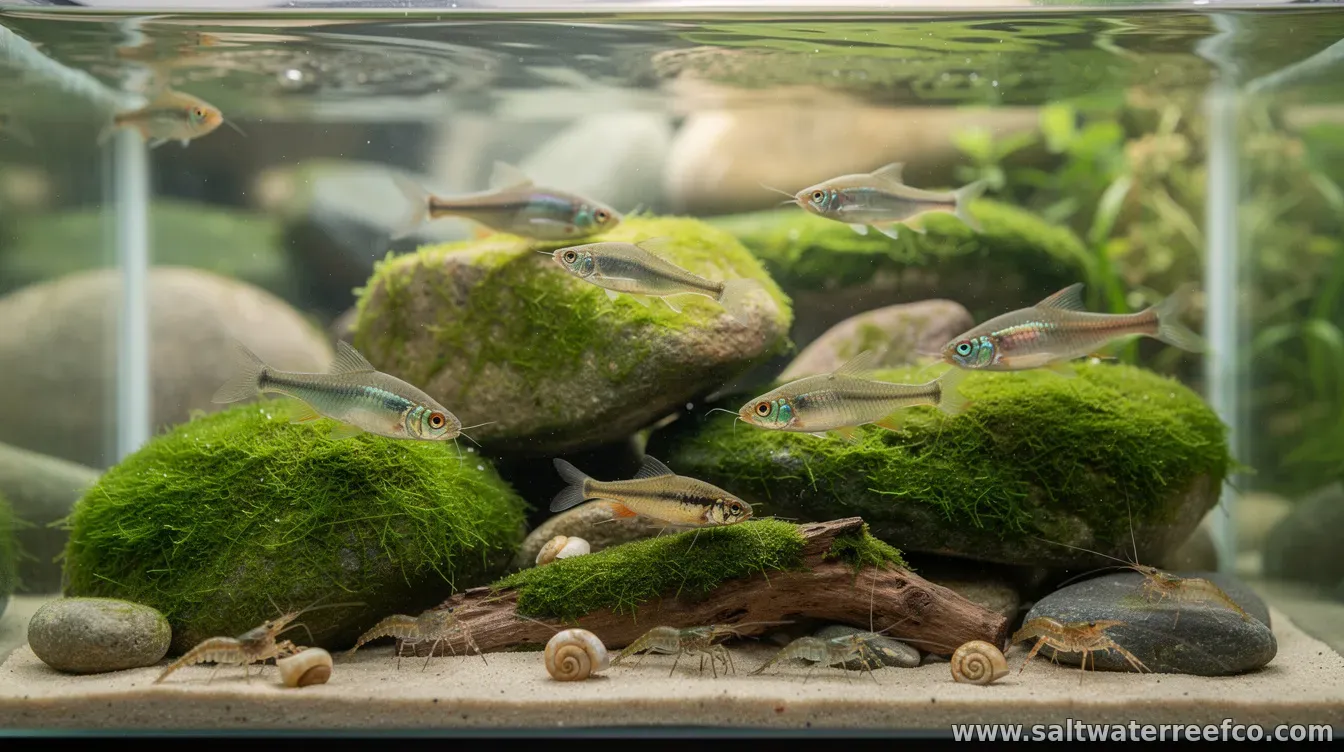
Algae problems are common in new and established aquariums alike, but the “best” algae-eaters are the ones that match your water conditions and the kind of algae you’re dealing with. The most effective clean-up crews are usually a mix of hardy grazers and algae-targeting invertebrates—supported by basic tank management like light control and stable feeding. Top algae-eating fish (most dependable options)Otocinclus (dwarf suckermouth catfish) are small, peaceful grazers that do well on film algae and diatom buildup. They can struggle if moved into a tank with scarce natural food, so they’re best introduced after algae is present or paired with a routine that ensures they’re actually eating. Bristlenose plecos (Ancistrus) are widely recommended because they’re relatively manageable and can scrape algae effectively. Many keepers report good results on soft algae and biofilm, though they still require a balanced diet—supplemental sinking foods help prevent weight loss. Siamese algae eaters (Crossocheilus) are popular for controlling algae, particularly in tanks where they can find enough grazing surfaces. To avoid disappointment, it’s worth confirming your fish’s identification (look for the classic patterning and avoid similar “lips” sold under generic names). Best algae-eating invertebrates (often the best ROI)Nerite snails are excellent for film algae and many types of tank growth, and they generally stay small. They’re also known for being less likely to reproduce explosively in freshwater (depending on species), which helps keep your clean-up crew predictable. Vampire shrimp (Atya/other filter-feeding types depending on availability) can help with certain nuisance growth by consuming detritus and providing grazing-like cleanup in appropriate setups. They’re not a universal “algae solution,” so they work best when you already have a tank that supports their feeding style. Cleaner shrimp and snails (where compatible) can be helpful for general cleanup—especially when algae is accompanied by leftover food and detritus. However, they won’t replace fixes like reducing excess nutrients, improving flow, and moderating lighting. How to choose the right algae-eaters for your algaeBefore adding any livestock, try to identify what’s growing. Different algae respond differently to grazing. For example, film algae and biofilm are commonly addressed by nerites, otocinclus, and plecos, while tougher algae may require longer-term nutrient and lighting adjustments rather than relying on animals alone.
If you share your tank size, whether it’s freshwater or saltwater, and what algae you’re seeing (green dust, brown diatoms, stringy algae, or something else), you can get a much more precise clean-up crew plan. Pairing the right grazers with stable water parameters is the fastest path to cleaner glass and healthier plants. |
|
|
Next & Previous posts