1:15 AM Saltwater vs. Freshwater: A Beginner Comparison |
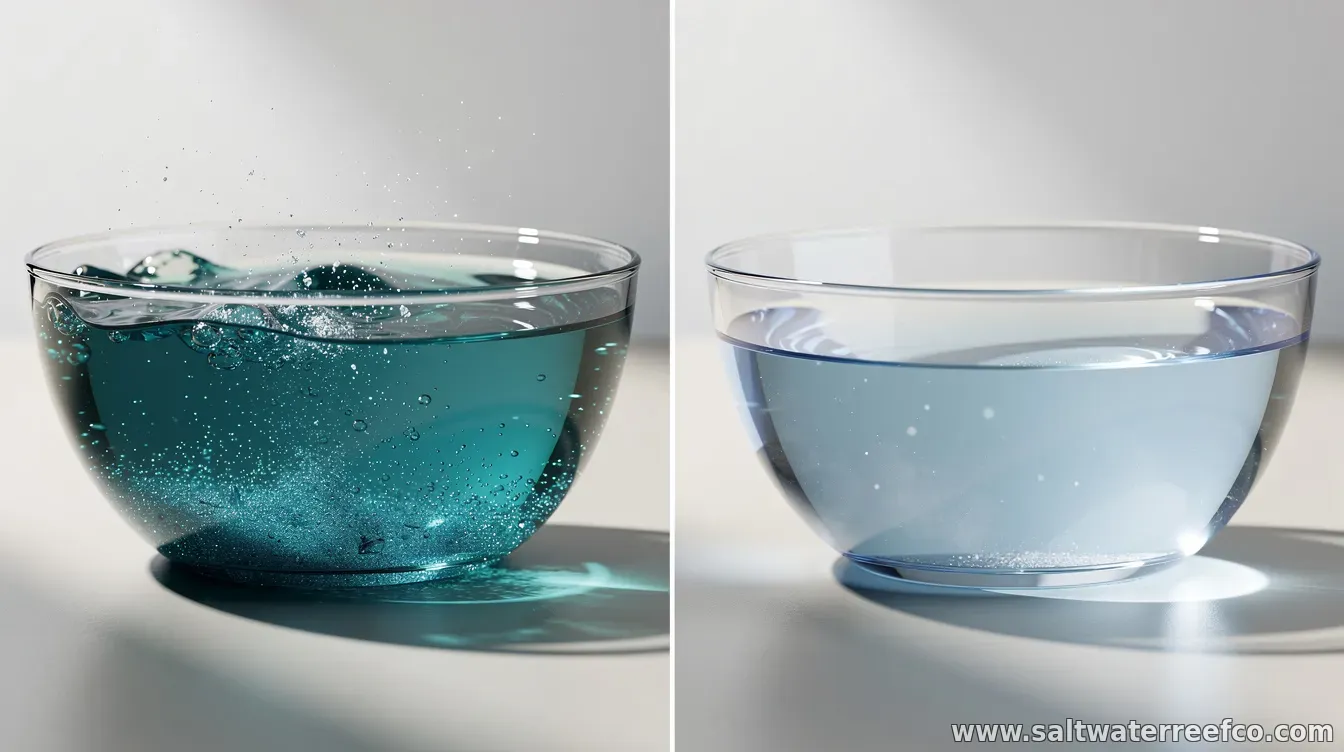
Starting an aquarium is exciting—but “saltwater vs. freshwater” can feel overwhelming. Both options can be successful for beginners, yet they differ in how you set up the tank, how often you test water parameters, and what maintenance looks like week to week. Main takeaway: Freshwater is usually the easier entry point for beginners, while saltwater rewards you with a broader variety of marine life—at the cost of more specialized equipment and more consistent water chemistry. 1) Setup complexity and equipmentFreshwater tanks typically require standard filtration, a heater (for tropical setups), a light for plants (optional), and basic water-testing supplies. Saltwater tanks generally need all of the above plus equipment for maintaining stable salinity and water conditions, such as a reliable protein skimmer (often recommended), an accurate salinity measurement tool, and careful salt mixing practices. 2) Water chemistry and testingIn a freshwater aquarium, you’ll still need to manage ammonia, nitrite, and nitrate, but the chemistry is usually simpler. With saltwater, you must also maintain salinity and keep additional parameters stable. That means more frequent testing early on and less room for error—especially during the tank’s initial “cycling” period and while stocking is still light. 3) Cost considerations (ongoing and upfront)Saltwater systems often cost more upfront due to specialized gear and replacement parts, and they can cost more over time as you fine-tune water quality. Freshwater can be cheaper, particularly if you choose common fish species and plant-friendly setups. That said, freshwater can still become expensive if you buy larger tanks or rare species—so “cheaper” depends on how you plan to stock and size your aquarium. 4) Livestock choices and typical beginner optionsFreshwater beginners often start with hardy community fish, shrimp, or planted tanks featuring species that tolerate a wider range of conditions. Saltwater keeps can be rewarding too, but many marine animals are more sensitive to fluctuations in water chemistry. Many new saltwater hobbyists start with a “soft” approach—such as hardy invertebrates—while learning how stable conditions affect health. In both cases, start with a manageable stocking plan: research specific species requirements and avoid rushing to add fish before the tank is fully established. A slower, steady approach reduces stress on animals and makes troubleshooting easier. Which should a beginner choose? If you want the smoothest learning curve, lower ongoing complexity, and an easier path to consistent results, freshwater is typically the best first choice. If you’re strongly interested in marine life and are willing to follow a more demanding testing and equipment routine, saltwater can be a great goal—just start with the right gear and realistic expectations. Whichever direction you choose, focus on fundamentals: proper cycling, consistent temperature (for tropical tanks), dependable filtration, and regular water testing. Those basics drive success far more than whether the water is salty or sweet. |
|
|
Next & Previous posts