0:42 AM Aiptasia Anemones: How to Identify and Remove Them |
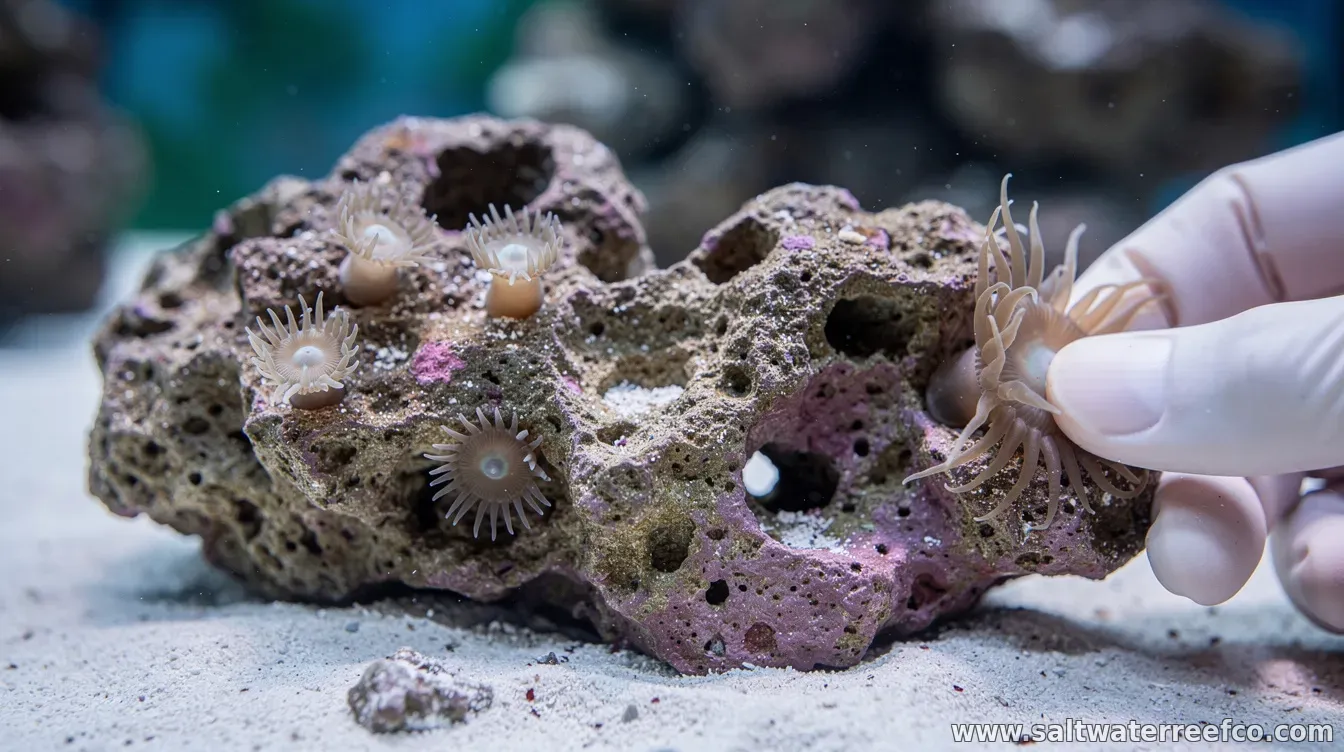
Aiptasia anemones are small, fast-reproducing nuisance anemones that hitchhike into reef aquariums on live rock and frag plugs. While they may look harmless at first, they can compete with corals for space and release stinging cells, making early identification and removal important. In this guide, you’ll learn how to spot Aiptasia and choose the safest, most effective way to remove them in a typical reef setup. How to identify AiptasiaMost hobbyists recognize Aiptasia by their “glass-tip” look: a slender body with translucent or light-colored tentacles that stretch upward when the water flow is strong. They often retract into rockwork when disturbed, then re-emerge once the area settles. Common signs include:
Why they’re a problem in reef tanksAiptasia can spread by dividing and releasing reproductive material, allowing infestations to grow between routine checks. If left unmanaged, they can overtake crevices in live rock where corals need stable, clean space. Even small patches are worth treating because removal usually works best when the population is still limited. Removal methods (from safest to most aggressive)1) Manual removal (best for small numbers) 2) Targeted injection of a dedicated treatment 3) Chemical/biological approaches 4) Capture-and-cover techniques (for stubborn rockwork) Aftercare and preventing reinfestationAiptasia control often takes multiple passes. After treatment, watch for survivors near treated areas—especially where the anemone may have broken into small fragments. Keep an eye on the days following removal, because regrowth can appear after an initial “disappearance.” Prevent future outbreaks by inspecting new live rock and frag plugs carefully in a quarantine or observation period. Reduce the odds of Aiptasia becoming established by improving flow around rock surfaces and maintaining stable water quality—conditions that support nuisance outbreaks can also stress corals. Quick takeaway: Identify by their upright, glassy tentacles and anchored base; remove early; use targeted treatment methods to minimize spread; and plan for follow-up checks. If you share your tank size, livestock (especially coral and invertebrate species), and where the Aiptasia is located, the best method can be narrowed down further for your setup. |
|
|
Next & Previous posts