1:00 AM Auto Top-Off Systems: Why Every Reef Tank Needs One |
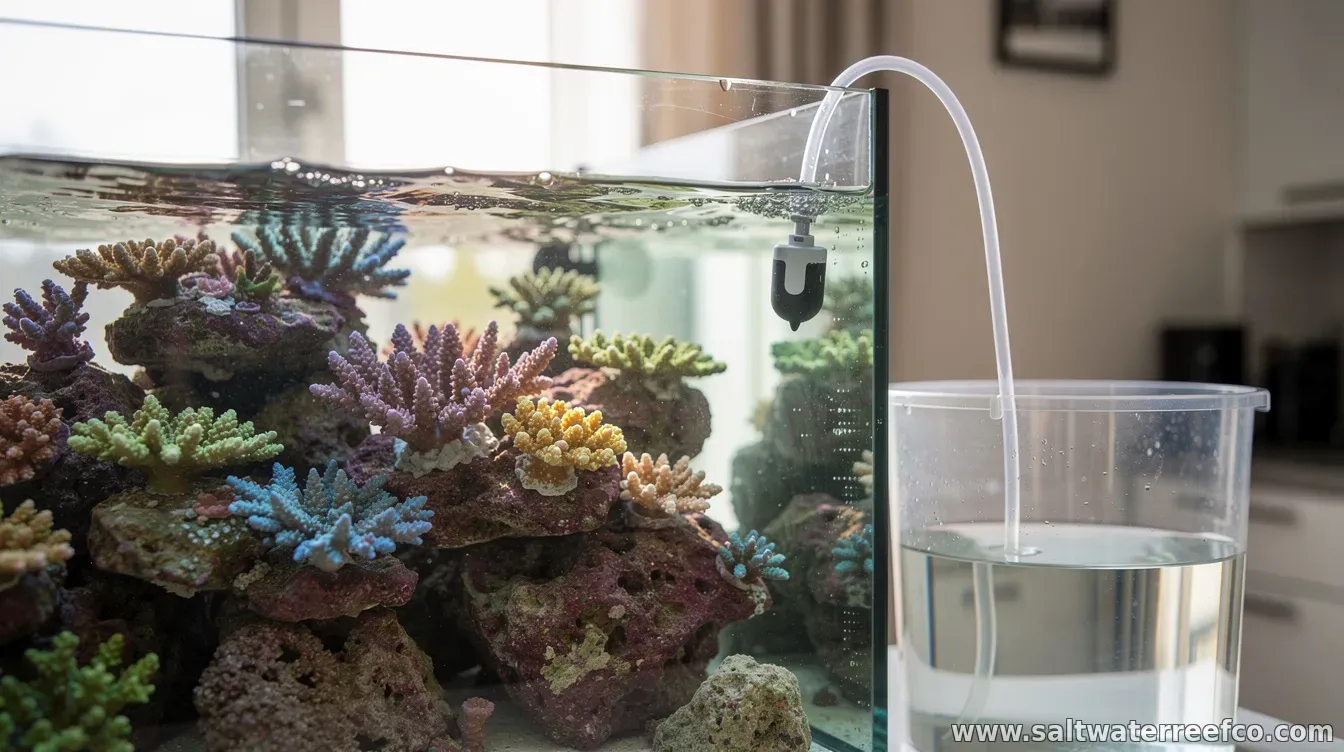
Reef tanks live and die by stability. Even small swings in salinity—often caused by everyday evaporation—can stress sensitive corals, irritate invertebrates, and complicate nutrient control. That’s why an auto top-off (ATO) system has become a must-have for many experienced reef keepers. An ATO monitors tank water level and automatically adds freshwater to replace what evaporates. Because evaporation removes only water (not salt), replenishing with fresh water helps keep salinity steady without requiring constant manual corrections. 1) Evaporation happens faster than most people thinkDepending on tank size, ventilation, surface agitation, and lighting, evaporation can add up quickly. A tank that seems stable one day can start to drift within days, especially if there’s a fan, sump airflow, or an unusually hot room. An ATO counteracts that drift by maintaining the waterline automatically. 2) Stable salinity supports coral healthMany reef organisms—particularly corals and certain invertebrates—respond negatively to rapid or repeated salinity changes. By holding salinity closer to your target, an ATO reduces stress that can show up as slowed growth, retracted polyps, or irritability during feeding and maintenance. While salinity is only one part of reef chemistry, it’s a foundational one. When salinity stays consistent, you often get an easier time balancing alkalinity, calcium, and nutrients because the system isn’t constantly shifting baseline conditions. 3) Fewer water-parameter swings, fewer headachesManual top-offs are effective, but they depend on consistent scheduling. Busy weeks, vacations, or simply forgetting for a day can lead to noticeable changes in water level and salinity. An ATO builds a buffer into your routine—catching evaporation-related losses before they accumulate. That consistency can also reduce downstream effects like fluctuating density readings and unstable refractometer measurements, particularly in systems where the sump water level varies or where the display has strong evaporation drivers. 4) Less work and more reliable maintenanceBeyond stability, an ATO saves time. Instead of measuring and topping off on a strict calendar, you can focus on what matters most: testing, observing coral behavior, and dialing in nutrient and flow. Many reef setups run better when day-to-day operations are automated—within safe limits. Just as importantly, an ATO helps prevent “overshoot” mistakes from being made at the wrong time. When evaporation control is automated properly (with correct sensors and safeguards), the system is less likely to turn a small oversight into a major salinity event. How to choose safely: Look for an ATO designed for reef use and prioritize reliable sensors, a controlled pump, and a fail-safe float or cutoff mechanism. The best ATO setups use redundancy—so a sensor failure doesn’t result in runaway freshwater addition that could rapidly drop salinity. Finally, whichever ATO you pick, treat it as equipment worth monitoring. Test-read sensor behavior, verify pump output, and periodically confirm salinity with your preferred measuring method. With sensible setup and oversight, an auto top-off becomes a quiet stabilizer—protecting your tank from the evaporation-related swings that every reef system faces. |
|
|
Next & Previous posts