1:26 AM How to Properly Acclimate New Fish and Coral |
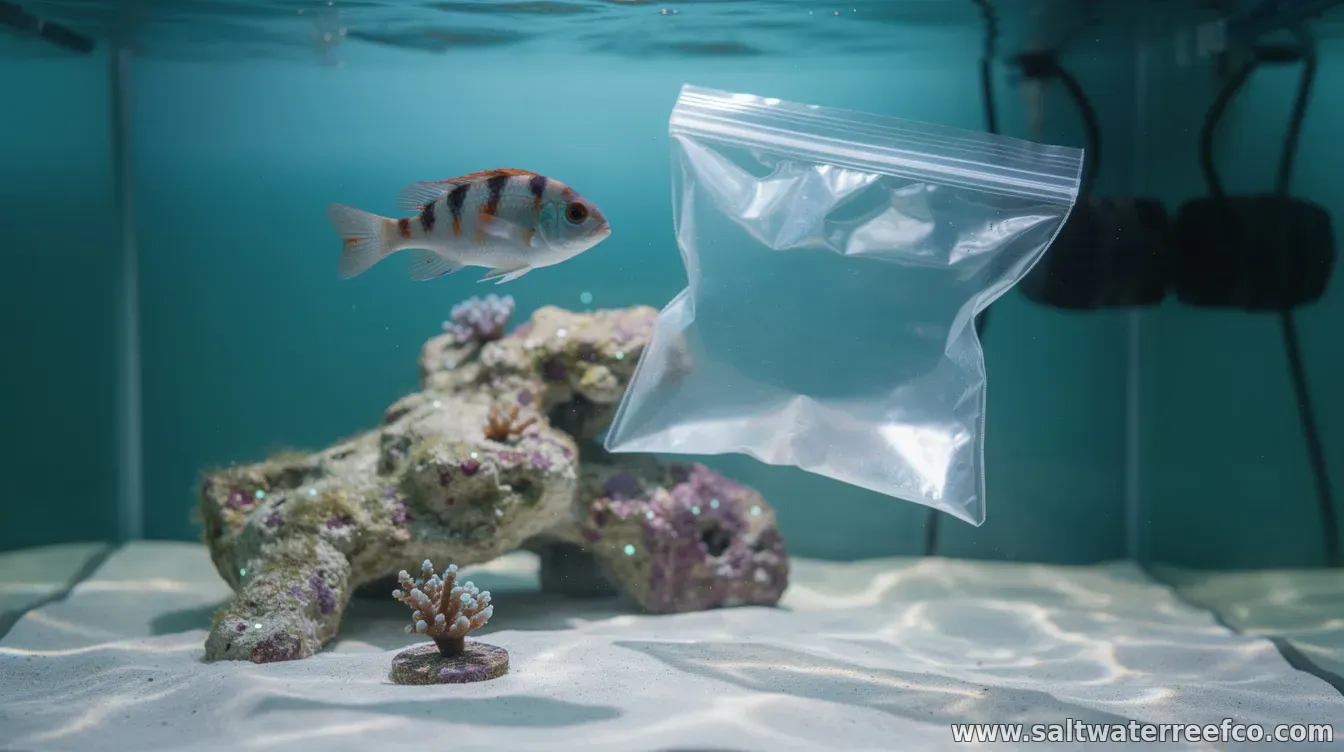
Introducing new fish and coral to an aquarium is one of the most common moments for stress—and stress is often the difference between thriving specimens and sudden losses. Proper acclimation helps animals adjust to changes in temperature, salinity, and water chemistry, especially when the new livestock comes from a different source. While there are several methods, the best approach is always the same at the core: move slowly, match key parameters, and keep handling and air exposure to a minimum. Start by confirming your tank’s stability and testing the water in both the display tank and the holding container where the new animals arrived. Before you begin: prepare and verify key water parametersBefore any transfer, check your tank’s temperature, salinity (for marine systems), and general water quality (such as pH and ammonia/nitrite/nitrate). If you don’t know the seller’s conditions, assume there will be differences—and plan on acclimating gradually rather than adding animals immediately. Also reduce variables: set up clean containers dedicated to acclimation, avoid cross-contamination, and have a siphon or net ready. For coral, ensure frag holders or plugs are ready so you can position the coral quickly once acclimated. Acclimating new fish: temperature first, then chemistryBegin with temperature equalization. Float the sealed bag or container in your aquarium (or acclimation container) until the temperature matches. This typically prevents shock from rapid thermal changes. Next, acclimate the water chemistry. A common method is slow drip acclimation: place the fish (and as much aquarium water as practical) into an acclimation container, then drip small amounts of display tank water in over time. This gradually brings salinity, pH, and dissolved compounds closer to your tank. When finished, avoid dumping the store water into your aquarium. Net or gently transfer the fish into the tank. Minimize chasing or extended exposure to air; even brief drying can be harmful depending on species. Acclimating coral: go slower, keep it stable, and avoid contaminationCoral acclimation is typically more sensitive than fish acclimation because corals rely on stable water chemistry and can be impacted by lingering shipping water. Keep lighting and handling time in mind, especially for photosynthetic corals. Temperature matching comes first, similar to fish. Then move toward gradual chemistry adjustment using a controlled transfer process. Many aquarists use drip acclimation for coral as well, but the emphasis is on avoiding abrupt changes and keeping the coral fully submerged. During transfer, do not let coral contact contaminated water sources or detritus. If you perform any rinse process, use water from the tank you’re acclimating to (not tap water). Work efficiently: once acclimated, place the coral in its intended location so it can recover under appropriate flow and light. Watch for the “after acclimation” signsEven with good procedure, the first hours to days are critical. For fish, watch behavior such as steady swimming, normal respiration, and not hiding excessively. For coral, look for normal polyp extension (where applicable), stable coloration, and tissue appearance—declining polyp extension or sudden tissue recession can indicate stress or chemistry mismatch. If you observe problems, avoid immediate drastic changes. Instead, verify your tank’s parameters are stable and consider whether the acclimation mismatch, water quality issues, or pests may be contributing. Common mistakes to avoidThe most frequent acclimation errors are rushing the process, adding store water directly to the tank, and failing to match temperature and salinity/pH. Overexposure to air during handling, using unclean tools, or placing coral into the tank before it’s truly acclimated can also compound stress. Use patience as your primary “tool.” Gradual acclimation, clean transfer practices, and stable tank conditions usually yield the best outcomes for both fish and coral. |
|
|
Next & Previous posts