0:49 AM Dosing Pumps & Calcium Reactors Explained for Reef Tanks |
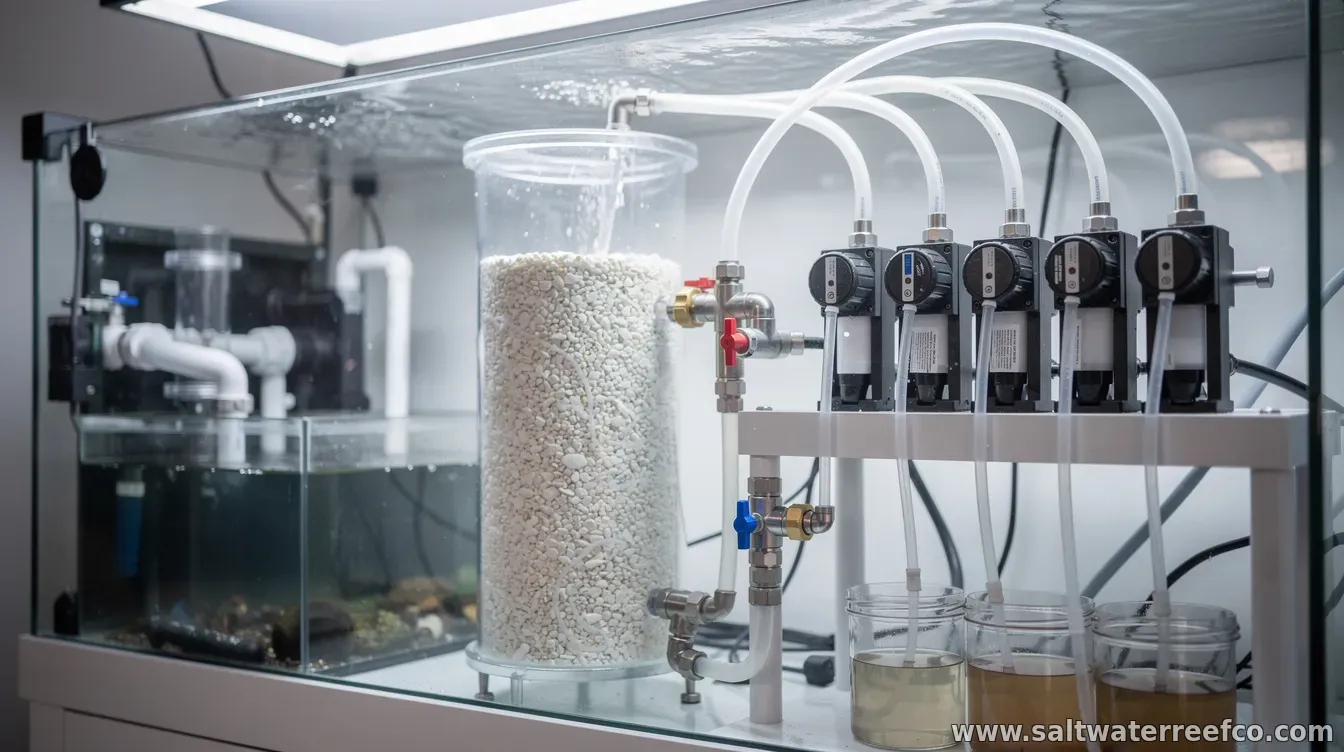
Dosing pumps and calcium reactors are popular tools for maintaining the balance of key parameters that corals need—especially calcium (Ca), alkalinity (often measured as dKH), and carbonate/bicarbonate levels. When these drift, growth can slow and sensitive species may struggle. While both approaches can support stable reef systems, they differ significantly in how they deliver supplements and how they’re tuned. What dosing pumps do A dosing pump is a controlled dosing system that delivers measured amounts of liquid supplements at set intervals. Most reef dosing pumps are used to add two-part solutions (commonly calcium chloride and an alkalinity component) or to dose specific additives such as alk, calcium, magnesium, or trace elements. Because the pump operates on schedules—and often based on test results or controller readings—it’s designed to counteract predictable daily consumption from corals and other organisms. In practice, dosing pumps can help reduce the “rollercoaster effect” of manual mixing and frequent water changes by providing smoother, smaller corrections. They’re especially useful for tanks where consumption is steady and the aquarist wants precise control over how much is added and when. Where calcium reactors fitA calcium reactor is a closed-loop style system that dissolves a solid media (typically aragonite or similar carbonate media) using carbon dioxide (CO₂) and recirculated tank water. By lowering the pH inside the reactor chamber, CO₂ makes the media dissolve, releasing calcium and carbonate alkalinity into the effluent. That effluent is then returned to the aquarium, supporting continued carbonate and calcium availability as corals grow. The reactor’s output is generally managed by tuning CO₂ injection and reactor chamber conditions, then matching effluent flow to tank demand. Many aquarists use pH and effluent monitoring to keep the reactor stable and avoid sudden changes in alkalinity. How to choose between them The “best” method depends on tank size, coral load, stability goals, and how hands-on you want maintenance to be. Dosing pumps are often chosen for smaller to medium systems or when you want straightforward adjustments to specific targets (like alkalinity). Calcium reactors are frequently selected for larger, heavily stocked reef tanks or setups with high and ongoing demand, where dissolving media can be a practical long-term approach. Many experienced reef keepers also consider compatibility with their filtration and overall automation strategy. For example, if your tank already relies heavily on controllers and monitoring, a dosing pump can be integrated with sensor feedback. Similarly, a calcium reactor pairs well with pH monitoring and careful control of CO₂ and effluent rates. Key parameters to monitorRegardless of the system you use, stability matters more than chasing single numbers. Most aquarists focus on:
With dosing pumps, a common risk is overdosing or underdosing when consumption changes (for example, after adding new coral, increasing light intensity, or shifting feeding). With calcium reactors, the most important considerations include consistent CO₂ delivery, stable reactor pH inside the chamber, and a properly adjusted effluent flow. Typical setup and tuning approach Most failures in either method come from skipping baseline measurement and incremental tuning. A practical approach is to measure current calcium, alkalinity, and magnesium, confirm your test method is reliable, then start with conservative dosing or reactor settings. After changes, wait for the tank to respond—rather than rapidly adjusting multiple variables at once. Over time, you can correlate consumption with growth patterns and refine schedules or reactor conditions. For dosing pumps, keep in mind that “how much to dose” often becomes clearer after you observe daily or weekly trends. For calcium reactors, it’s crucial to dial in reactor conditions gradually and ensure the effluent doesn’t introduce instability into the display. Maintenance and long-term reliability Dosing pumps require periodic attention to reservoir levels, tubing health, and peristaltic pump calibration (and sometimes anti-siphon controls). They also depend on fresh solutions stored correctly to avoid degradation. Calcium reactors require media replacement when exhausted, regular checks of CO₂ equipment (regulator, solenoid, and bubble rate/pressure settings), and inspection for clogging or flow issues. In both cases, automation doesn’t eliminate responsibility—it shifts it. Using alarms (for low reservoir levels, pH deviations, or abnormal probe readings) can reduce risk when something drifts. Bottom line Dosing pumps and calcium reactors both aim to maintain the chemistry that corals consume, but they do so in different ways: dosing pumps deliver measured liquid supplements, while calcium reactors dissolve media under CO₂-driven conditions. If your tank’s demand is manageable and you want precise control over specific targets, dosing pumps are often a strong fit. If your system has higher, continuous demand and you prefer a media-dissolution approach, a calcium reactor can be efficient—provided you tune it carefully and monitor pH and output. |
|
|
Next & Previous posts