2:38 AM Two-Part Dosing Systems and Calcium Reactors Explained |
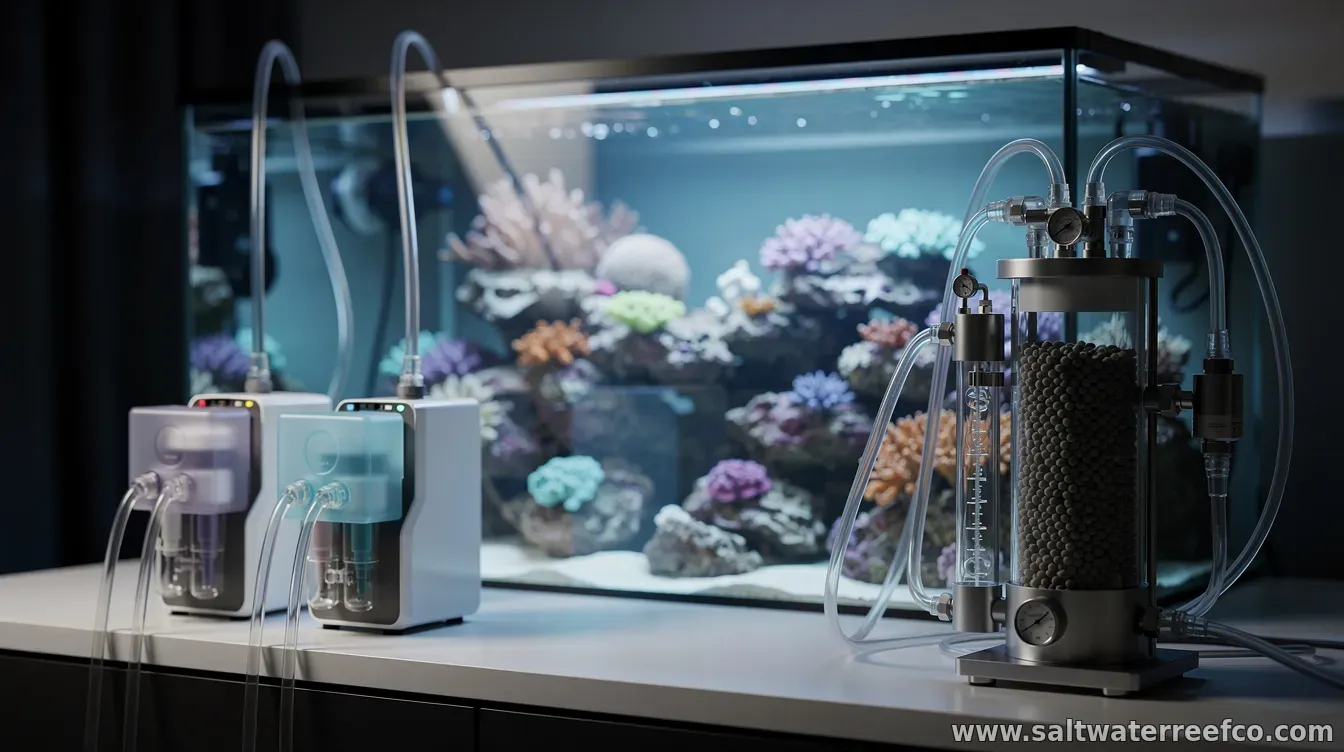
Maintaining calcium and alkalinity is one of the central challenges in reef-keeping. Corals use these minerals to build skeletons, and rapid swings can slow growth or stress sensitive organisms. Two of the most widely used strategies are two-part dosing systems and calcium reactors. While both aim to deliver the same essentials, they do it in different ways—and that difference affects how you set up, calibrate, and maintain your system. Two-part dosing typically supplies calcium and alkalinity separately using two measured solutions. One product targets calcium (often in a calcium chloride form), while the other targets alkalinity (commonly a carbonate/bicarbonate blend). Because each component is dosed independently, aquarists can correct for imbalances with fine control—especially when the dosing pumps are automated and the tank’s consumption pattern is consistent. How two-part systems workIn most two-part setups, a controller or dosing pump delivers Solution A (for calcium) and Solution B (for alkalinity) in set volumes throughout the day. Many users distribute dosing across multiple intervals to reduce short-term fluctuations. The goal is to match the tank’s daily uptake so calcium and alkalinity remain within your preferred range for the reef livestock you keep. Because consumption can vary with coral load, alkalinity demand, and evaporation rate, routine testing is essential. When results drift, adjustments are usually made gradually—small changes over several days rather than large swings—so you don’t overshoot the target levels. Calcium reactors: steady mineral input via CO₂A calcium reactor uses CO₂ to dissolve calcium carbonate media inside a sealed chamber. As the media breaks down, it releases calcium and carbonate-related alkalinity into reactor effluent, which is then directed into the aquarium. Many aquarists favor calcium reactors for larger systems because the hardware can deliver demand over longer periods without as frequent manual dosing of separate solutions. In practice, the reactor’s performance depends on balancing several variables: CO₂ injection (which drives dissolution), effluent flow rate (how quickly reactor output enters the tank), and the media’s state over time. Operators typically fine-tune the CO₂ and output so the effluent composition matches aquarium needs while keeping pH in the reactor appropriate for consistent media dissolution. Which approach fits your tank?Both methods can work well, but the best choice often comes down to tank volume, complexity tolerance, and testing habits. Two-part dosing is generally appealing for smaller tanks or hobbyists who want straightforward control and fast adjustments. Calcium reactors are frequently chosen for mid-to-large reef systems, particularly when alkalinity consumption is high and maintaining stability with separate solutions becomes more labor-intensive.
Some reef keepers also consider how each method affects other chemistry aspects, such as nutrient dynamics and magnesium balance. While two-part dosing and calcium reactors both influence alkalinity and calcium directly, neither replaces the need to manage the full mineral suite over time. For many aquarists, the practical question isn’t “which is best,” but “which is easiest to keep stable in your environment.” If you can test regularly and automate dosing with careful calibration, two-part systems can deliver precise control. If you run a larger tank and prefer a reactor-driven approach that ties mineral addition to CO₂ dissolution, a calcium reactor may fit better—provided you’re ready to dial in the reactor and track effluent-related changes. Next steps: before switching methods, compare your current consumption rates and your testing schedule. Then set a plan for calibration (pump dosing rates or reactor effluent/CO₂ settings) and confirm that your calcium, alkalinity, and pH targets can be reached without large swings. Stability is the common goal—both systems are tools for getting there. |
|
|
Next & Previous posts