0:26 AM Mandarin Dragonet: The Beautiful Fish Many Overlook |
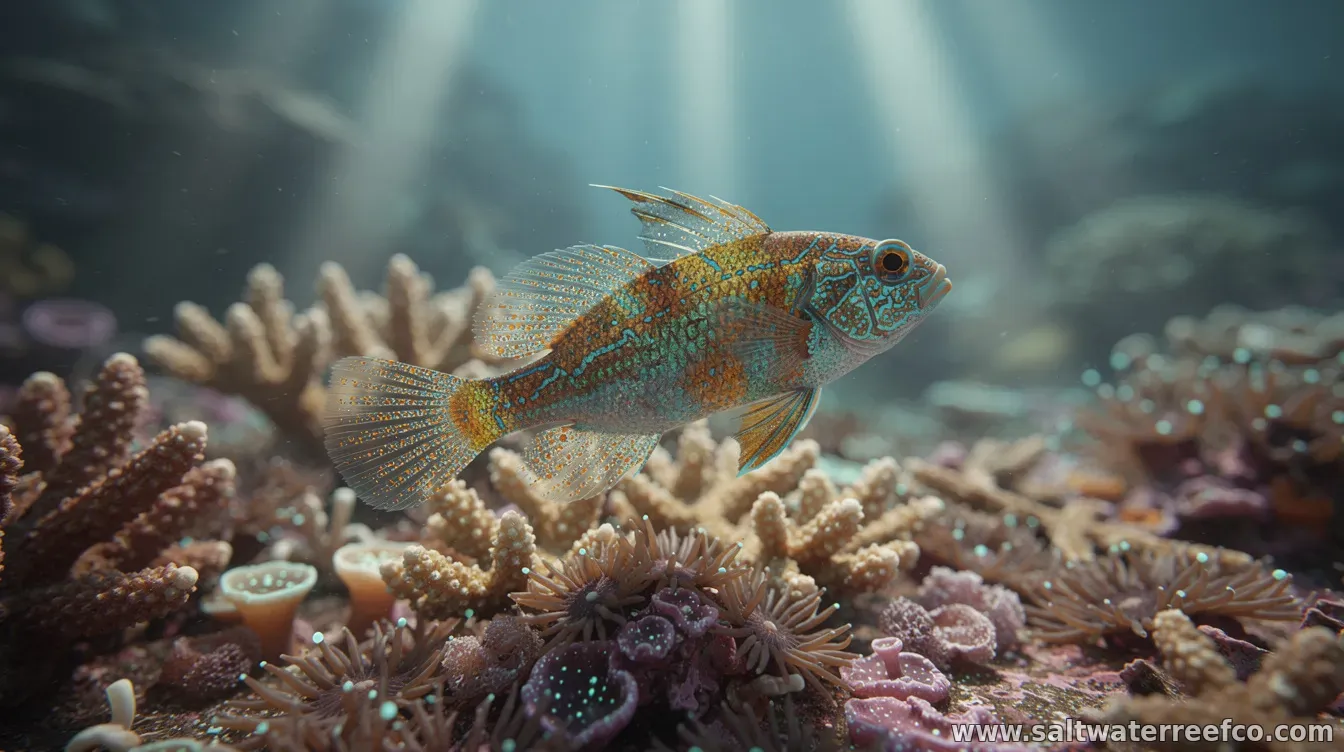
The Mandarin dragonet (Synchiropus splendidus) is one of the most striking reef fish available in the aquarium trade—displaying intricate patterns and shifting hues that can look almost painted. Yet despite its fame among saltwater hobbyists, it’s a species many people aren’t fully prepared to keep. Its reputation isn’t about aggression or hard-to-meet water chemistry. Instead, the challenge is far more practical: the Mandarin dragonet’s feeding habits can make it difficult to transition to aquarium life. A fish built for specialized feedingIn the wild and in established reef settings, mandarin dragonets spend a great deal of time hunting for small live prey. Their natural menu includes tiny crustaceans and other microscopic organisms that may be present in sufficient numbers in mature tanks. In many home aquariums, those foods aren’t available in the same quantities—especially for newly set up systems—so the fish may struggle to obtain enough nutrition. This is why successful keeping often depends on long-term tank readiness rather than quick transfers. Why tank age and food supply matterMandarins are frequently described as “tank-dependent,” because they do best when there’s a stable ecosystem that supports their prey base. New tanks often lack the populations of live foods the Mandarin relies on, which can lead to slow decline if alternative feeding isn’t already established. A common approach among experienced keepers is ensuring the aquarium has been running long enough to develop natural microfauna, while also planning an approach to supplement with suitable food types. Not every specimen readily accepts prepared foods, so researchers and local experts often recommend confirming feeding history before purchase when possible. Compatibility and calm routinesBeyond feeding, the Mandarin dragonet generally fits well in peaceful community reef setups. It’s typically non-aggressive, but it may still be outcompeted by more aggressive or fast-feeding tankmates. For that reason, hobbyists often pair Mandarins with calm companions and provide enough structure—such as rockwork and hiding spaces—so the fish can forage at its own pace. Stress from competition can indirectly affect appetite and health. Where you may see people get it wrongThe biggest mistake new owners make is treating the Mandarin dragonet like a standard “add and feed” reef fish. Without a plan for its feeding needs, a beautiful addition can become a long-term welfare concern. Another common issue is purchasing before the aquarium can support it. Even when water parameters are ideal, insufficient prey availability can still leave the fish underfed. Successful keeping usually looks less like a single moment of setup and more like preparation over time. What responsible buyers should considerIf you’re considering a Mandarin dragonet, the most important step is planning for the fish’s diet and for how it will actually eat in your specific tank. That can include assessing tank maturity, confirming that suitable prey or proven feeding routines are available, and choosing tankmates that won’t block access to food. When matched with an appropriately prepared environment, the Mandarin dragonet’s beauty becomes more than a headline—it becomes a rewarding, living display that reflects a healthy reef system ecosystem. |
|
|
Next & Previous posts