1:49 AM Blue Boxfish (Ostracion cyanurus): characteristics, habitat, and care notes |
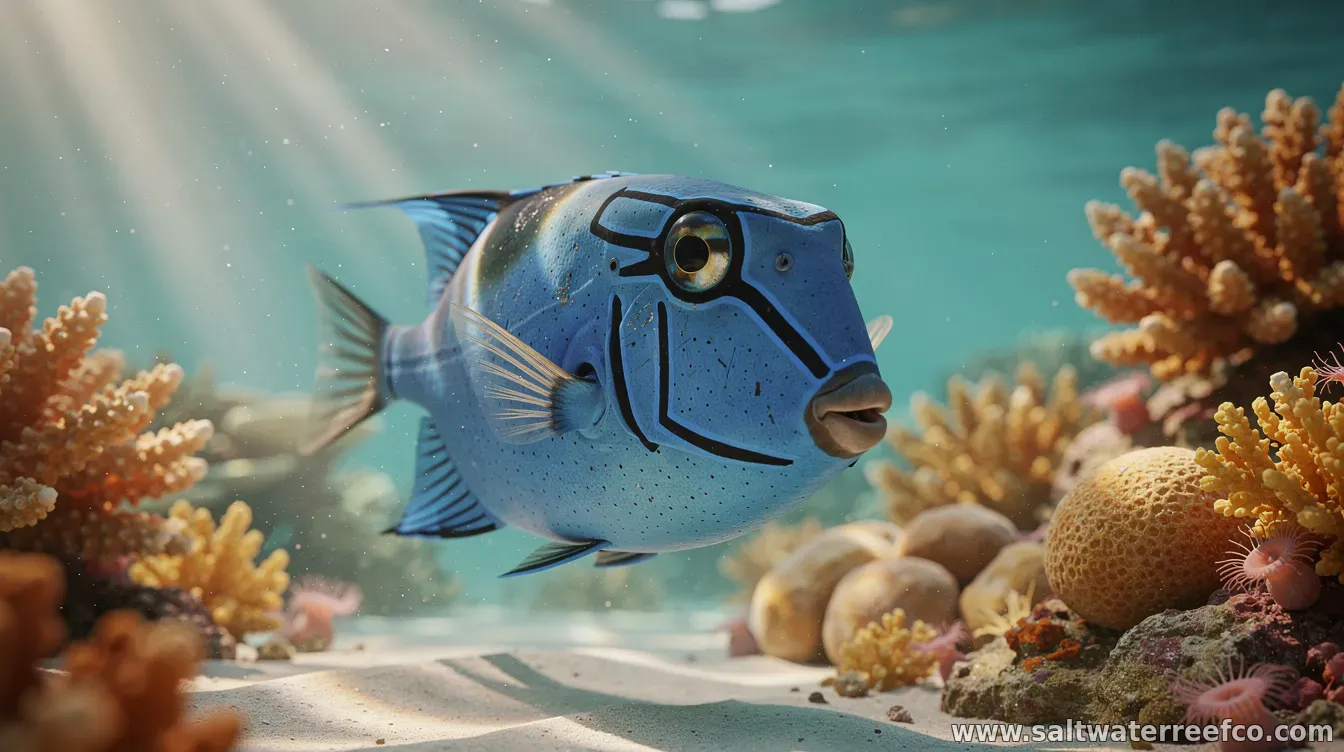
The Blue Boxfish, scientifically known as Ostracion cyanurus, is a small to mid-sized reef fish admired for its iridescent blue body and rigid, box-like silhouette. Found in the Indo-Pacific, it favors shallow lagoons and coral reefs where shelter andfood sources abound. Its distinctive shape is a natural adaptation that helps deter predators, though it also limits its agility in tight crevices. Appearance and Identification. Adults typically display a bright blue body with a slightly darker back and a pale underbelly. The rigid carapace creates a box-like profile, and some individuals exhibit faint white or lighter markings along the fins. Juveniles may have subtly different coloration as they mature. The fish’s small mouth is adapted for grazing on algae and small invertebrates found on coral rubble. Habitat and Range. Ostracion cyanurus is common in tropical coral reef ecosystems of the western Pacific and Indian Oceans, often inhabiting protected lagoons, reef flats, and rubble zones. They prefer water temperatures in the range of 24–28°C (75–82°F) and clear, well-oxygenated water with stable salinity. Diet and Feeding. In the wild, Blue Boxfish primarily graze on algae, detritus, and small invertebrates. In aquaria, they require a varied diet that mimics natural feeding, including prepared algae-based foods, meaty treats, and occasional live foods. They are generally slow feeders and may graze over rocks and coral rubble rather than actively hunting. Behavior and Social Structure. These fish are typically peaceful with other reef species but can be territorial toward conspecifics, especially in confined spaces. They rely on their conspicuous coloration as a deterrent to potential threats. In the aquarium, provide ample swimming room and plenty of hiding places to reduce stress. Toxicity and Handling Considerations. A key caution for both researchers and hobbyists: many boxfish, including ostraciids, possess toxins in their skin and tissues that can be released when stressed or mishandled. This can pose risks to other tank inhabitants and to handlers. Any handling should be minimized, and boats and nets should be cleaned to prevent toxin transfer between tanks. Conservation and Research. While not currently listed as endangered across the species' range, habitat degradation and collection for the aquarium trade can impact local populations. Ongoing monitoring of reef health and responsible trade practices help ensure sustainable populations of Ostracion cyanurus. In Summary. The Blue Boxfish stands out for color, shape, and ecological role in reef communities. For scientists and aquarists alike, understanding its habitat needs and toxin precautions is essential to observe this species responsibly and safely. |
|
|
Next & Previous posts