8:38 AM Beginner Saltwater Fish That Are Tough and Easy |
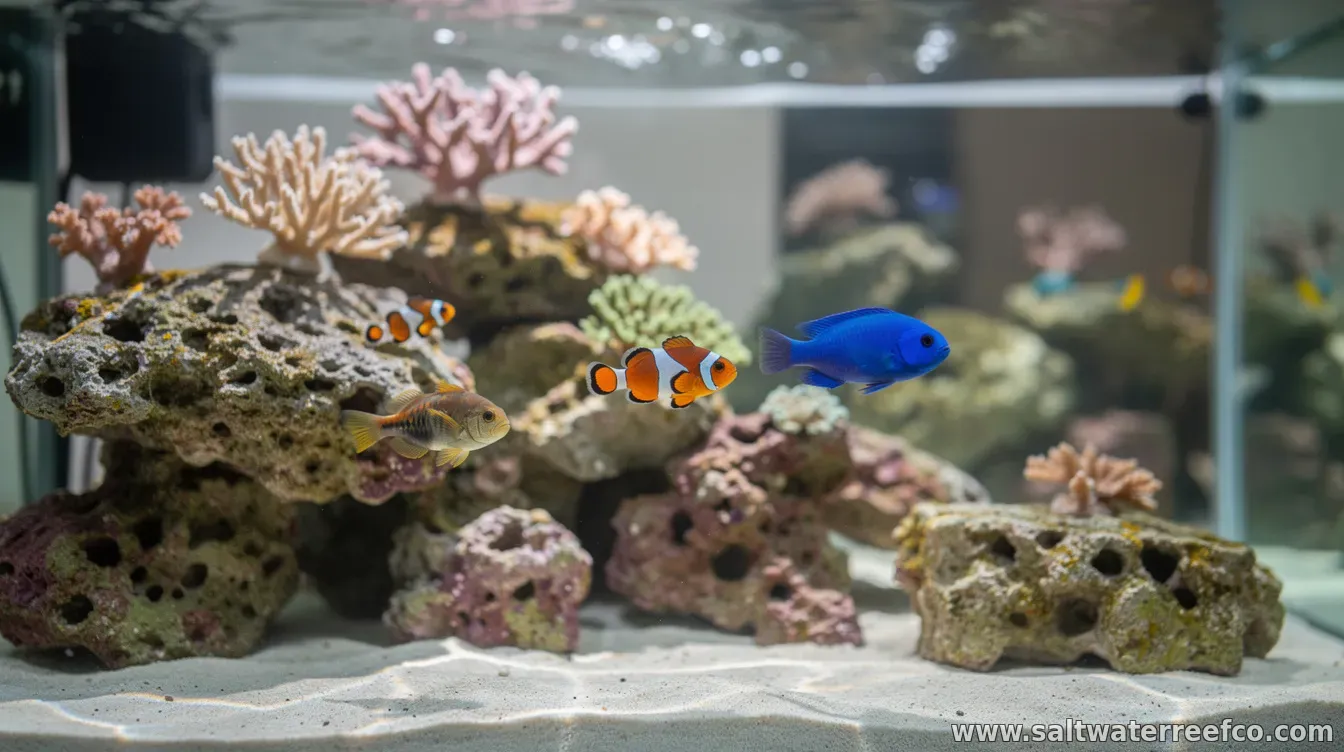
Starting a saltwater aquarium is exciting, but the fastest way to lose momentum is picking a fish that’s too delicate for a new environment. While no fish is truly “impossible” to kill, some species handle beginner missteps better—such as minor swings in water quality, stable temperatures, and early-cycle stability (within reason). Below are beginner-friendly, saltwater fish that aquarists often find among the toughest options, along with practical expectations for keeping them healthy. 1) Clownfish (Amphiprion spp.)Clownfish are among the most popular starter saltwater fish, and for good reason. They’re generally hardy, adapt well to stable captive conditions, and tend to be resilient when fed regularly and kept in appropriate water parameters. Many clowns also learn to accept prepared foods, which makes long-term feeding simpler. 2) Royal Gramma (Gramma loreto)Royal gramma is a hardy, good-natured reef fish that often does well in beginner tanks. It typically holds its position in the aquascape—preferring caves and ledges—so it can be easier to manage than more restless species. Royal grammas also tend to be forgiving when offered a varied diet including quality frozen foods and/or flake/pellet options they will accept. 3) Banggai Cardinalfish (Pterapogon kauderni)Banggai cardinalfish are known for being manageable for many aquarists, especially those willing to provide a calm, stable tank. They generally do well when fed small, frequent meals and maintained with consistent salinity and temperature. Because they’re a bit shy, they benefit from good hiding spots and careful tankmate selection. 4) Chromis (Chromis spp.)—with realistic expectationsDamsel-type chromis can be hardy and are often chosen for their movement and schooling behavior. That said, not every chromis does equally well—some aquarists experience aggression or losses in certain systems. If you choose chromis, prioritize adequate tank size, proper acclimation, and a stress-reducing layout with live rock coverage. 5) Hardy gobies (e.g., Yellow Watchman Goby, basic sand-sifters)Many gobies are considered beginner-friendly because they adapt well to captive life and can help make use of the tank’s microhabitats. Some also work in sand-bedded setups (when offered the right substrate depth and stable conditions). Gobies typically do best with a well-established tank environment and steady feeding rather than sudden changes. What “hard to kill” really means Even hardy fish can fail if core husbandry is off. For beginners, the biggest risks usually aren’t the fish—they’re water quality swings, temperature instability, poor acclimation, and inconsistent feeding. Aim for stable salinity, temperature, and good filtration, and introduce new fish thoughtfully rather than all at once. Quick beginner rules that protect your fish
Hardy beginner fish can make the hobby feel far more forgiving, but success still depends on the tank. If you match species to your setup—tank size, rock cover, lighting, and your maintenance routine—you’ll give even tough fish the best chance to thrive. |
|
|
Next & Previous posts